PULLMAN, Wash. – A gene editing technology developed at Washington State University is being licensed to Genus plc, a global animal genetics company, to develop cattle that are more resistant to bovine respiratory disease (BRD).
“From domestication and selective breeding to today’s use of advanced biotechnology, the goal of all animal husbandry remains the same,” said Bryan Slinker, dean of WSU’s College of Veterinary Medicine. “The goal is to continue to optimize animal health and well-being and produce disease-free food animals. This work is another important step in ensuring we meet our responsibilities to animals as well as the world’s food supply, now and in the future.”
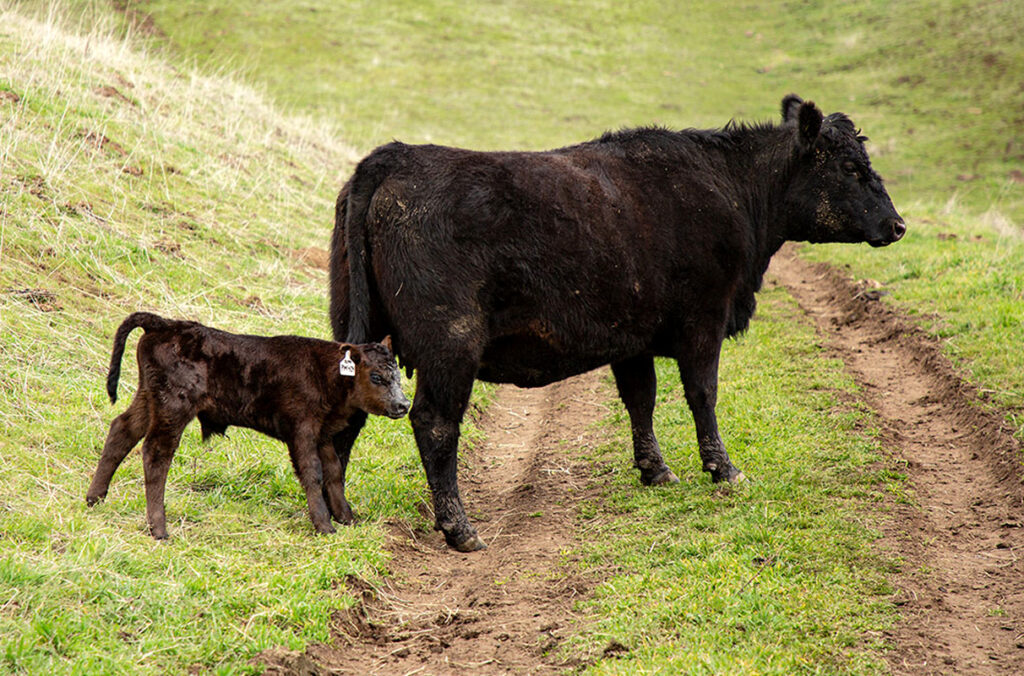
BRD strikes cattle, especially calves. It is caused by a combination of stress and viral and bacterial infections. Affected animals develop pneumonia that is often fatal.
For U.S. producers, BRD continues to be the primary cause of cattle mortality, as well as significant economic loss in animal performance, quality and well-being. Losses to the U.S. dairy industry include weaned calf deaths and reduced dairy performance later in life.
WSU researcher Subramaniam Srikumaran has long studied how the disease complex develops and how to prevent the fatal pneumonia in cattle. This led him to understand more about a specific gene’s role in developing the deadly disease. By making a single edit in the CD18 gene, which encodes for an adhesive protein on the surface of white blood cells, his technological discovery blocks the bacterial toxin that triggers the lung inflammation and pneumonia characteristic of BRD.
Working with WSU’s Office of Commercialization (https://commercialization.wsu.edu/), Srikumaran patented the technology, an important step toward making the discovery useful to industry. OC negotiated the licensing agreement with Genus plc (https://www.genusplc.com/), giving the company the rights to develop the technology with a goal of breeding lines of cattle more resistant to BRD.
Srikumaran’s discovery and its translation to disease-resistant animals is an example of the WSU expertise behind the recently launched Functional Genomics Initiative (FGI). FGI was developed by the College of Veterinary Medicine in partnership with the College of Agricultural, Human and Natural Resource Sciences and the College of Arts and Sciences to address grand challenges (https://research.wsu.edu/research-initiatives/grand-challenges/) around health and global food supply.
The goal of this initiative is to use gene editing approaches and advanced reproductive technologies to produce livestock that will increase food production, enhance disease resistance and allow livestock to thrive as global demand for food increases. Funding for the initiative and a center dedicated to this work will lead to more discoveries like Srikumaran’s.
Learn more about Genus – which is headquartered in Basingstoke, U.K., operates in 30 countries and has research laboratories in Madison, Wis. – at https://www.genusplc.com/about/.
Contacts:
Sita Pappu, WSU Office of Commercialization, 509-335-1120, spappu@wsu.edu
Laura Lockard, WSU College of Veterinary Medicine communications, 509-335-9515, lauralockard@vetmed.wsu.edu
Alyssa Patrick, WSU Office of Research public relations, 206-219-2427, apatrick12@wsu.edu
Karim Bitar, Genus CEO, +44 (0)1256 345 970
Stephen Wilson, Genus CFO, +44 (0)1256 345 970