The Washington State University Elson S. Floyd College of Medicine was awarded approximately $2.2 million in first-year project funding to participate in a new National Institutes of Health (NIH) program designed to support Indigenous communities in leading culturally grounded research on substance use and pain.
Amid the ongoing overdose and pain public health crises, American Indian and Alaska Native populations are disproportionately impacted by substance use disorders and conditions that cause chronic pain. Indigenous communities are developing innovative approaches to respond to these challenges and improve related factors such as mental health, drawing on inherent cultural strengths including a focus on social connections and holistic well-being.
The NIH’s Native Collective Research Effort to Enhance Wellness (N CREW) Program aims to support research projects led by Tribes and Native American serving organizations, centering communities that have historically been excluded from decision-making in the research process. The program will provide approximately $268 million in funding over seven years, enabling communities to focus on self-identified priorities and solutions that fit their needs.
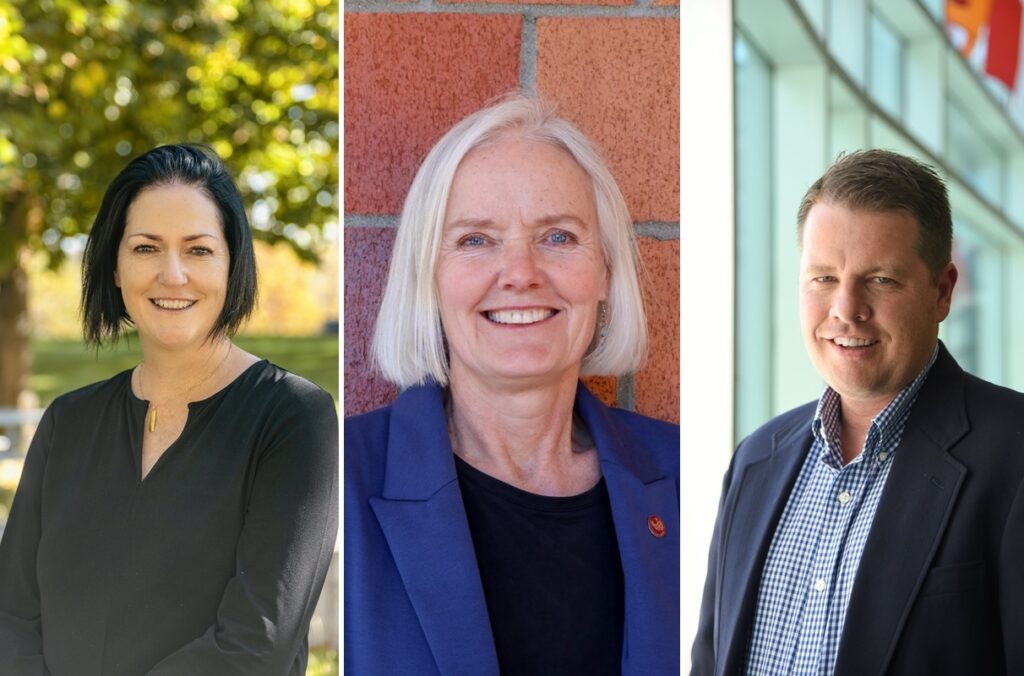
“This marks a significant shift in how the NIH funds this research — supporting Tribes to do the research that they want to do,” said co-principal investigator Michael McDonell, a WSU College of Medicine professor and director of the Promoting Research Initiatives in Substance Use and Mental Health (PRISM) Collaborative. “Our job is to listen, learn, and determine how to best support them.”
This marks a significant shift in how the NIH funds this research — supporting Tribes to do the research that they want to do.
Michael McDonell, co-principal investigator
WSU professor and PRISM director
The program will also fund the development of a Native Research Resource Network to provide participating organizations with comprehensive support. WSU researchers will lead one of four teams forming this network, offering their research expertise to Indigenous communities across the U.S.
After working with communities to learn more about their needs, the team will host tailored trainings and consultations that improve community research capacity as part of a project titled “Promoting Community Wellbeing Through Indigenous Science and Healing” (PC-WISH). The team has extensive expertise in culturally grounded and community-based participatory research on substance use prevention, harm reduction, treatment, and recovery.
“This is a humbling opportunity to support Tribes and Native American serving organizations in conducting research that enhances their well-being and meets the needs of their communities,” said Native researcher and Assistant Professor Katherine Hirchak, who leads PRISM’s Connections In Indigenous Research, Cultural Leadership, Equity and Solidarity (CIRCLES) Collab. “I look forward to learning how we can play a part in that.”
In addition to McDonell, the project will be led by Native researchers Abigail Echo-Hawk from the Seattle Indian Health Board, Kamilla Venner from the University of New Mexico, and Stacy Rasmus from the University of Alaska Fairbanks.
“Historically research has been driven by researchers from outside the community who don’t understand the culture and focus on problems not solutions,” said Alaska Native researcher and College of Medicine Associate Professor Lisa Rey Thomas. “This program will ensure the community is informed and involved at every stage of the research, and that tribal sovereignty is respected. This has been a dream and goal of mine for over 20 years, so I’m excited to see what we can do.”
Other WSU collaborators on the project include Professor Denise Dillard and Assistant Professor Jessica Saniguq Ullrich from the College of Medicine’s Institute for Research and Education to Advance Community Health (IREACH), College of Medicine Professors John Roll and Douglas Weeks, and College of Nursing Associate Professor Marian Wilson.
This project is supported by the National Institutes of Health (NIH) and administered by the NIH’s National Institute on Drug Abuse (NIDA) under award number 1OT2DA061134-01. The N CREW Program is funded through the NIH Helping to End Addiction Long-term Initiative (or NIH HEAL Initiative), which is jointly managed by NIDA and the National Institute of Neurological Disorders and Stroke.