“Ask This Old House” is a public broadcasting institution that provides televised tips to homeowners on topics ranging from ceiling fan installation to fixing leaky faucets to landscaping issues. A Washington State University professor will soon lend his expertise on that last topic.
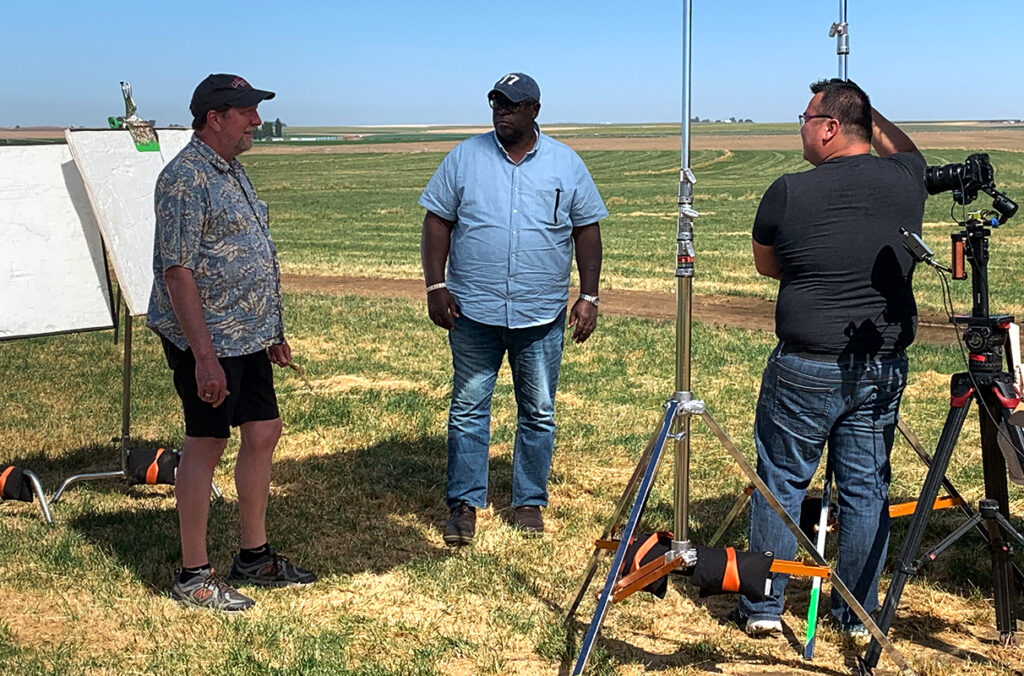
Michael Neff, WSU’s Washington Turfgrass Seed Commission Professor, will appear on the PBS show talking with host Lee Gilliam about grass seed production. Washington is the second largest producer of grass seed in the nation and produces 80% of the Kentucky bluegrass seed used worldwide.
“I think ‘Ask This Old House’ wants to show people where grass seed comes from, that it doesn’t just show up in a store,” Neff said. “We want to help the public understand agriculture, so this was a fantastic opportunity to inform people about the amount of work that goes into that bag they buy.”
Neff, part of the Department of Crop and Soil Sciences, will also explain why Washington, and the Pacific Northwest in general, produce so much of the nation’s grass seed.
“We have a Mediterranean climate, and we can control when the plants get water,” Neff said. “When the seed is nearly ready for harvest, we can turn the water off and our hot, dry summers allow the seed to mature almost perfectly. That’s how we get really high-quality grass seed.”
He will also talk about problems facing the industry, with climate change prominent amongst those.
“Kentucky bluegrass needs to go through a cold winter to produce flowers and seeds the following spring,” Neff said. “Warmer winters don’t freeze the crop, which depresses the amount of seed produced. We’re working to breed new varieties that don’t require as much cold, which will keep the seed industry viable in our region.”
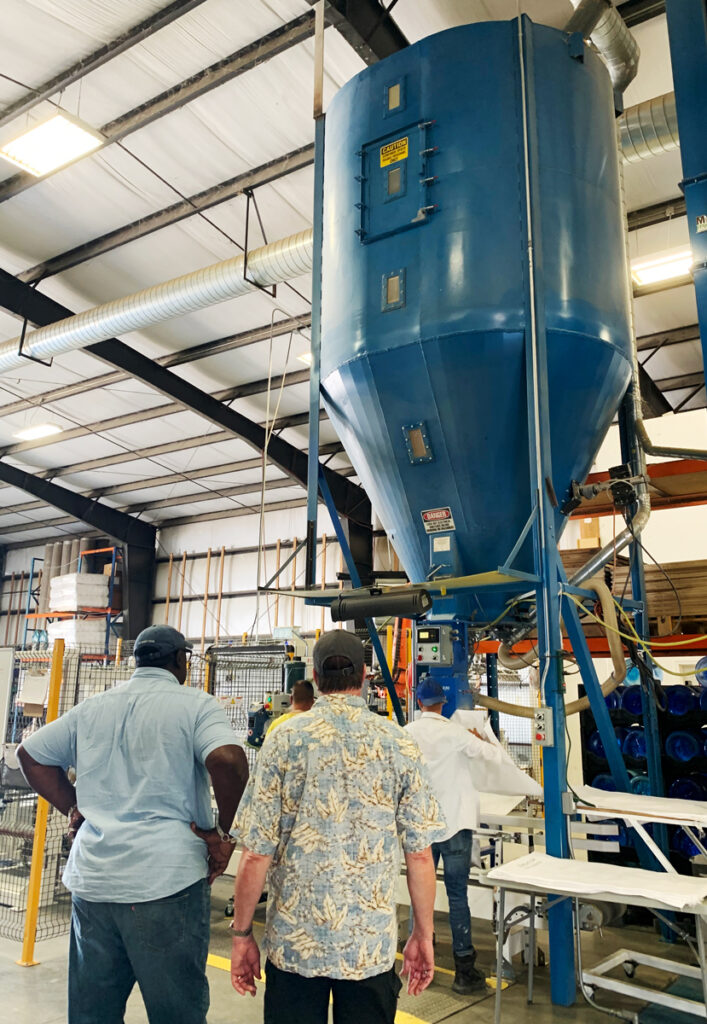
Neff will appear on the show with Jason Miller, one of the owners of Himark Seeds, at Himark Farms outside Connell, Washington. Miller will demonstrate the entire grass seed production process, from collecting seed in the field, cleaning it, processing it, and making sure customers get a quality product.
“Agriculture products need some detailed explanation to the general public, outlining the process and hard work involved in delivering a quality product,” Miller said. “I think the show is trying to help its audience see where the products they buy come from. I’m honored to have the opportunity to help do that for the turfgrass seed industry.”
The episode of “Ask This Old House” with Neff and Miller will start airing on PBS stations across the country on Feb. 19. Check local listings for when the episode will air on local channels. The segment will also be available on the “This Old House” website starting Feb. 23.