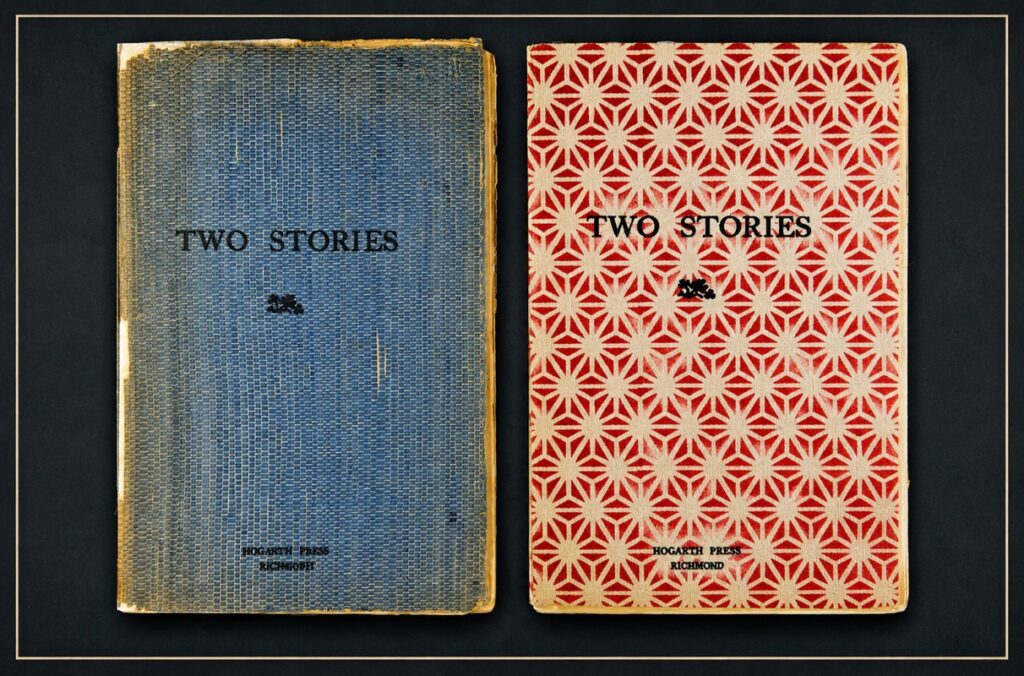
What makes a book rare? The answer isn’t necessarily its age, value or scarcity, as Washington State University librarian Will Gregg discovered during a weeklong course at the University of Virginia’s Rare Book School.
Gregg, interim head of WSU Libraries’ Manuscripts, Archives, and Special Collections (MASC), received a scholarship from the Book Club of Washington to study the history of book production since 1800.
The experience gave him new tools to interpret and share the stories behind WSU’s collection of more than 50,000 rare books, including works by Virginia Woolf and Jane Austen. By examining everything from paper and printing techniques to illustrations and bindings, Gregg learned how physical details can reveal the technological, cultural and economic forces that shaped a book’s creation.
Now back at WSU, he’s putting that knowledge to work helping students and researchers better understand the university’s collections.
Read more about Gregg’s experience and what he learned in the full story from WSU Libraries.