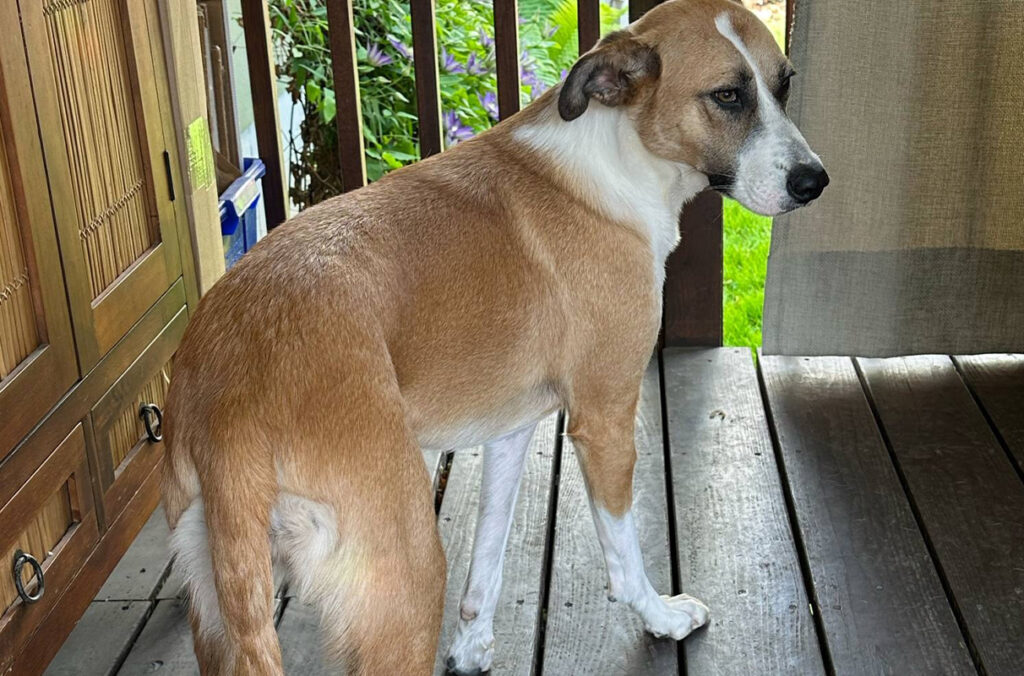
Spokane resident Anjali Barretto will never know what happened to her dog, Sofie, during the first weeks of her life on the streets of Loreto, Mexico, a small town located along the Gulf of California.
What she does know is that when Sofie was rescued at just a month old, she had already survived a traumatic head injury, likely from the hands of a human, that left her blind and caused severe neurological damage. The injury resulted in ongoing behavioral challenges and difficult-to-control seizures that continue to affect the now 2½-year-old dog.
While the seizures will never be eliminated, they are now being successfully managed thanks to the efforts of Washington State University alumna Dr. Claudia LaBianca (’23 DVM) at Spokane’s Lincoln Heights Veterinary Clinic and specialists at WSU’s Veterinary Teaching Hospital, who, together, have helped bring Sofie’s condition under control to ensure she can continue enjoying a happy, active life.
“I can’t say enough good things about WSU and Lincoln Heights,” Barretto said. “Every single vet, even the vet techs and students, have been phenomenal. The way they talk to the dogs, the way they handle the dogs – everyone has been wonderful. I just feel really blessed to have all these people on my side, on Sofie’s side.”
When Barretto first saw Sofie’s profile with Rompin Paws Rescue in Arlington, Washington, she knew the young mixed-breed dog would come with challenges, but that wasn’t enough to dissuade her.
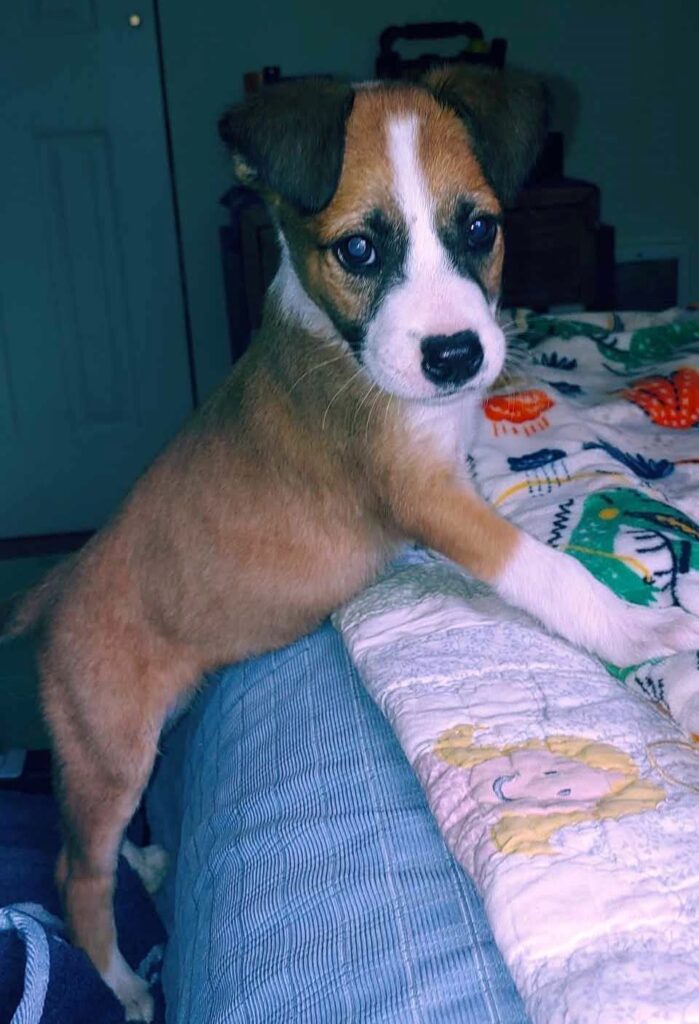
“I couldn’t get her out of my mind all day,” Barretto said. “By the end of the day, it was a done deal. She has been part of my family since.”
It was a tough adjustment for Barretto and her other three rescue dogs. Sofie’s behaviors often left Barretto exhausted and questioning her decision to adopt her.
“For the first eight months or so, I kept thinking, ‘what did I get myself into?’ ” Barretto said. “There were days when I’d be in tears, but I didn’t want to give up on her.”
Progress came slowly, but it came. Then came the seizures.
“She was fine for the first year,” Barretto said. “Then all of a sudden one day she was sitting on the couch and went into a seizure. The next morning, she had another one in the kitchen.”
Unsure what to do, Barretto turned to Lincoln Heights Veterinary Clinic, which has cared for her pets for more than two decades. There, LaBianca prescribed medication to help control the episodes and ultimately referred Sofie to WSU’s neurology service for more specialized care.
Barretto worried specialists would recommend an MRI she couldn’t afford. Sofie’s traumatic brain injury was considered a pre-existing condition, meaning pet insurance would not cover advanced diagnostics. At the same time, she was making frequent trips to India to help care for her aging parents.
At WSU, Barretto met with the neurology team, including Dr. Amanda Lamarca, who after reviewing Sofie’s history and evaluating her condition, determined an MRI was unlikely to change the course of treatment. Instead, they focused on managing her seizures and helping Barretto better understand her dog’s condition.
Barretto also learned she qualified for financial assistance through WSU’s Good Samaritan Fund, which helps clients facing financial hardship access veterinary care.
“I felt really guilty even thinking about the cost,” Barretto said. “But the Good Samaritan Fund helped reduce the anxiety around my financial situation. Even a little bit of financial help was very reassuring.”
More important than any test result, Barretto said, was the encouragement she received from the WSU team.
“They were so compassionate and thorough,” she said. “The biggest thing was hearing that she wasn’t in pain and that everything we were doing for her was exactly what she needed.”