Local food for local food banks — it’s a concept that’s been a hit in Jefferson and Clallam counties over the past decade.
Washington State University Extension operates the Farm to Food Bank program, buying fresh fruits and vegetables, meat and eggs from producers on the Olympic Peninsula to supply local food banks.
It’s been so successful that WSU Extension has expanded the idea to become a supply chain coordinator for local food, and now is helping supply local food to local schools.
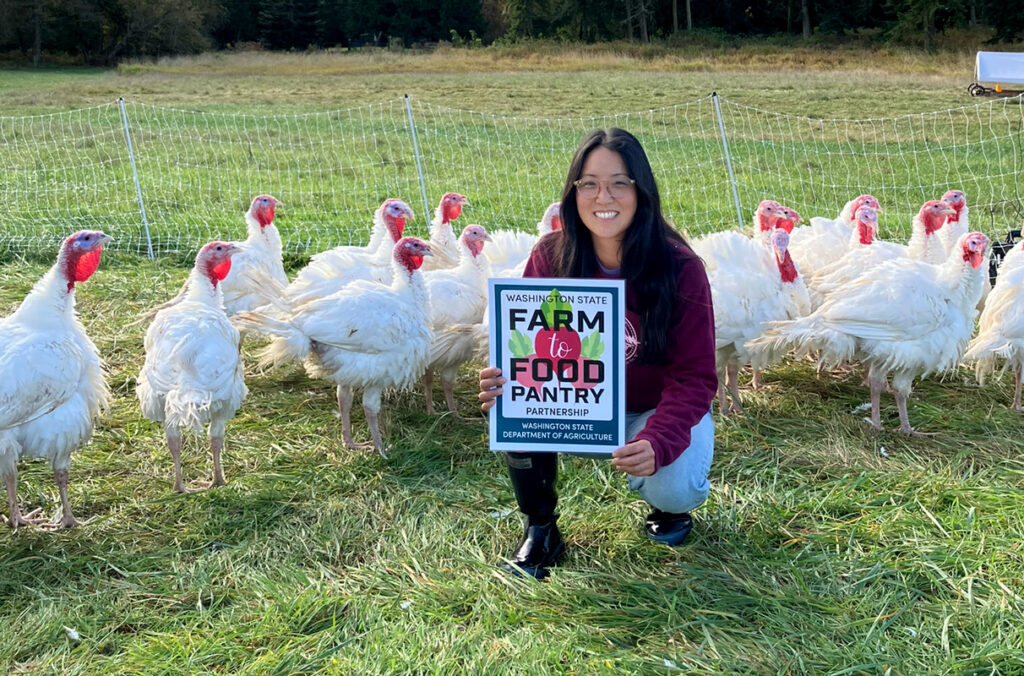
“A lot of folks who live here value our agricultural history, and these local farm purchases are a double win — supporting food access and our farm economy,” said Sallie Constant, the Farm to Community Coordinator at WSU Extension Clallam/Jefferson County.
The original program, Farm to Food Pantry, launched in 2014 with support from nonprofit Harvest Against Hunger and the state Department of Agriculture. Almost immediately, food bank visitors were choosing the local foods, Constant said.
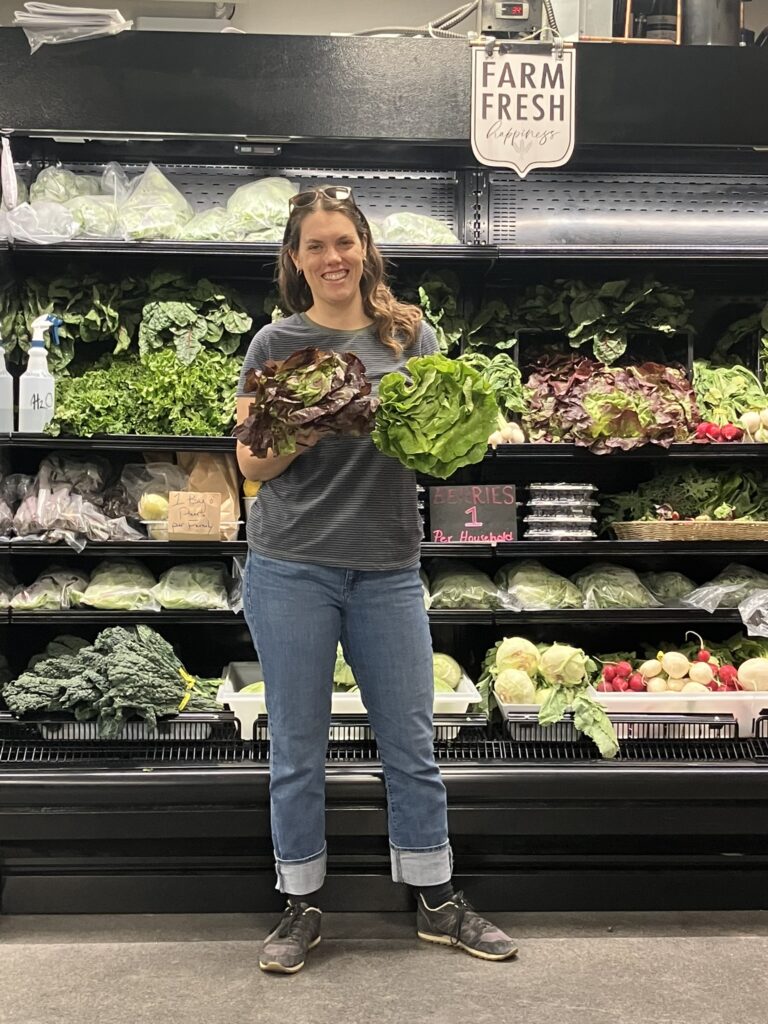
“We’ve gotten feedback that the fresh local produce is one of the most requested items at food banks,” she added. “Staff are sharing cooking techniques. They introduce and familiarize people with new fruits and vegetables that are seasonal.”
That led to the creation of the Farm to Community Coordinator job she holds, sourcing local foods for other programs that give food away, like summer meal programs.
“These partners often have their own funding that they’re interested in spending locally,” Constant said. In addition, the WSU Foundation created the Olympic Peninsula Farm to Food Bank Fund to accept donations from people who believe in the program’s mission.
Last year Farm to Community supported nearly $80,000 in purchases from 23 local farms and producers, which was distributed to 21 partner sites in Clallam and Jefferson counties.
Then last year Extension landed a grant through Boise State University to use a similar model to supply local foods to schools. To date, the Farm to School program has supported $30,000 in local food purchases that’s been distributed to six schools. That program also offers training for school food programs on scratch cooking, plus storage and delivery of the food to the schools.
“We’ve been so successful in building these relationships from local farms to food banks that we’ve been about to build off of that to get more local food into schools,” Constant said.
Laura Llewellyn, owner of Chimalow Produce in Chimacum, has participated in Farm to Food Bank for a few years.
“I love being able to reach a wider demographic in our community by getting our produce into the food bank,” she said. “I’m grateful for all of these types of programs that exist, but this is a particularly great one.”