The Transformational Change Initiative — launched by Washington State University in 2016 to bolster overall student success — was recently recognized by the American Council on Education.
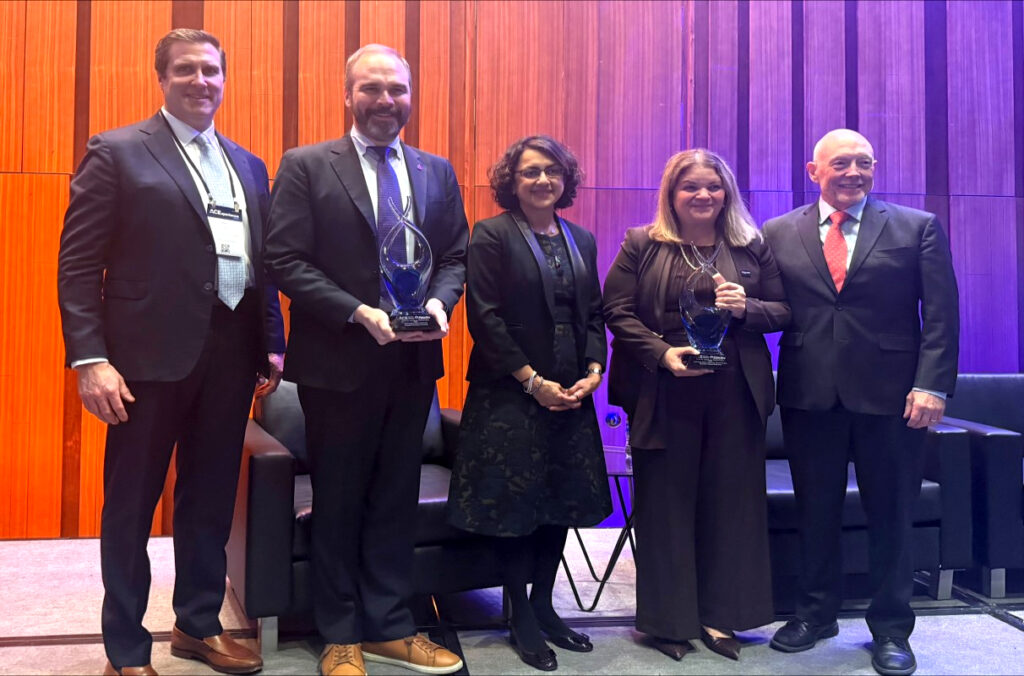
WSU was one of two universities to receive the ACE/Fidelity Institutional Transformation Award at an event today in Washington D.C. The award honors institutions that use novel approaches to quickly address emergent hurdles with a $10,000 prize.
“This recognition honors Washington State University’s deliberate commitment to expanding academic excellence and opportunity,” said WSU President Betsy Cantwell. “Through our Transformational Change Initiative, we have furthered our public service mission by increasing retention and degree completion across the WSU system and by building sustainable practices to carry this progress forward for the next generation.”
WSU won the category for institutions with more than 12,000 students, while California State University Monterey Bay was recognized among schools with fewer than 12,000 students.
“Each year, this award celebrates institutions that confront real challenges with creativity, discipline, and a deep commitment to student success,” said ACE President Ted Mitchell. “Washington State University’s research-informed, human-centered approach has strengthened student resilience and retention across a complex, multi-campus system, while Cal State Monterey Bay’s decisive leadership and equity-driven reforms delivered meaningful gains in completion and social mobility. These institutions exemplify how intentional strategy and sustained focus can translate into lasting impact for students.”
Transformational Change Initiative eyes future of system-wide impact
Driven by empirical research and data, TCI is a multi-faceted approach to ensure students receive the support they need along their educational journeys and emerge ready for impactful careers. The program also helps faculty develop more supportive approaches to teaching.
Launched through the collaborative work of Laura Hill, professor emerita; Katie Forsythe, former TCI director; Mary Kay Patton, scholarly associate professor; Samantha Swindell, associate dean and scholarly professor; Anna Whitehall, scholarly professor; and Denise Yost, former clinical assistant professor, the initiative brings together data-informed strategies to support students throughout their educational journeys. The program is currently overseen by Erika Offerdahl, associate vice provost for faculty development and recognition.
TCI’s work begins even before students arrive on campus. One of its earliest interventions, the Letting Go and Staying Connected Handbook, is distributed to parents and guardians to help families navigate the transition to college. The handbook offers guidance on supporting students’ growing independence while maintaining connection and clear expectations.
Now managed by Clara Hill, research associate with the IMPACT Lab in Human Development, the handbook has been adapted for 10 universities across Washington state. Here at WSU, it is distributed to parents of incoming first-year students and supplemented with an in-person workshop for their families at WSU Pullman’s New Coug Orientation.
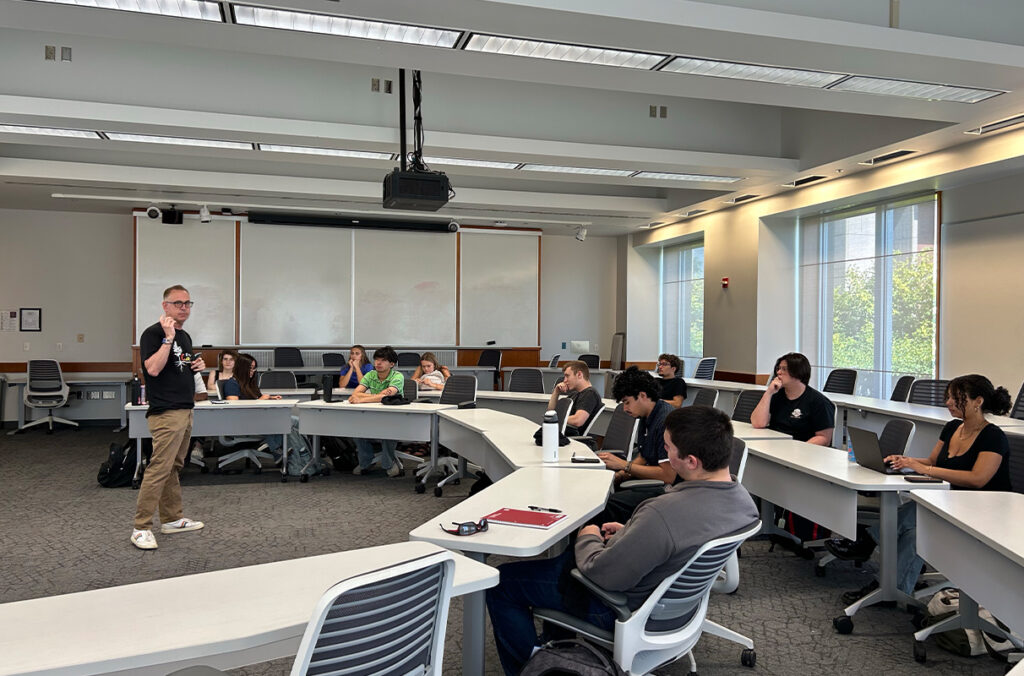
Once students are enrolled, the initiative emphasizes early participation in high-impact experiential learning, including community engagement and service-learning opportunities. TCI also strengthens students’ sense of belonging while encouraging a growth mindset by equipping faculty with research-based strategies for creating supportive and inclusive learning environments.
Offerdahl said recent recognition of the initiative reflects years of foundational work and measurable outcomes. “This award reflects the initiative’s ability to evolve alongside the needs of today’s students and faculty,” she said. “TCI’s approach allows us to continuously adapt by using evidence to better support faculty and create learning environments where students can thrive.”