Washington State University is part of a USDA NextGen program that enables eligible institutions to build and sustain the next generation of food, agriculture, natural resources, and human sciences professionals. WSU recently received $1.4 million in funding from lead grantee Northern Marianas College (NMC), to work on their NextGen program.
The program will help students such as Mark Terlaje Pangelinan, who was born and raised on the Pacific island of Saipan. He loves his homeland, the capital of the Northern Marianas Islands and a U.S. commonwealth, but education opportunities there don’t go beyond an associate’s degree.
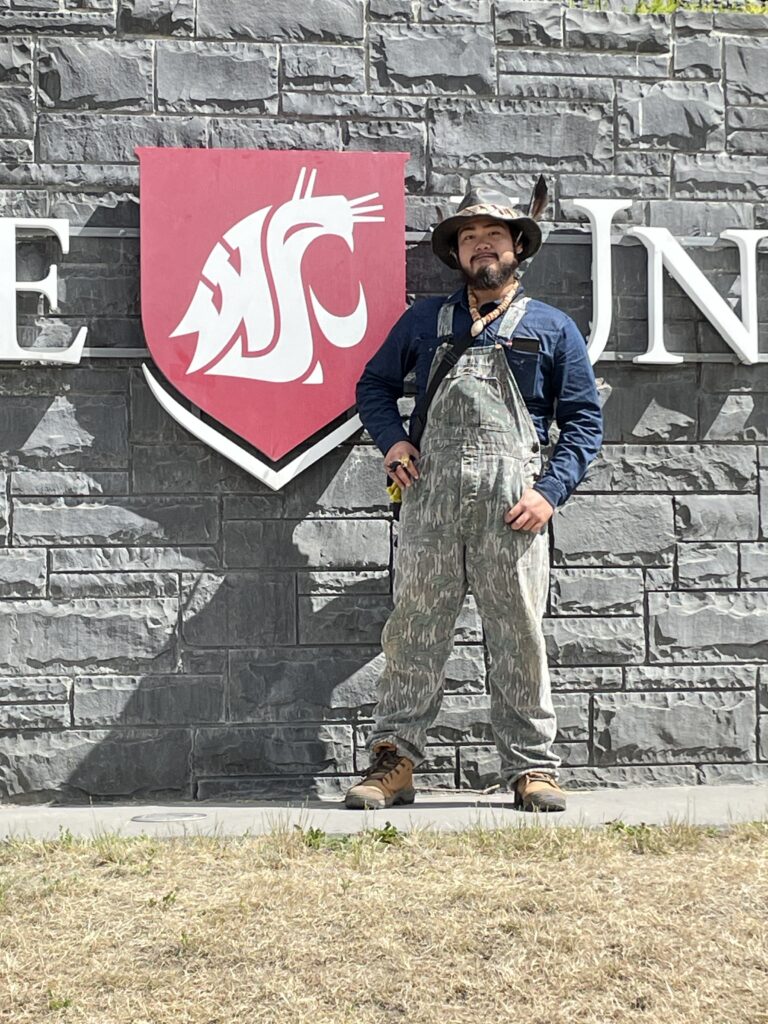
Terlaje Pangelinan plans to enroll at WSU for the fall 2025 semester as part of NextGen, which will pay for his tuition and travel to and from Pullman. In June, he visited WSU to tour the Pullman campus and meet scientists, students, and staff.
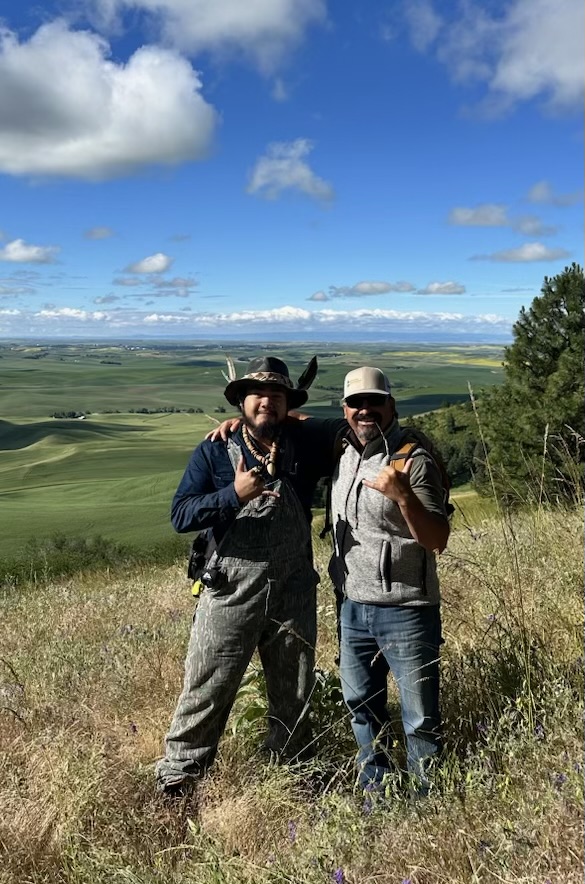
“I met with people in the Native American programs, and the entomology department. I had the chance to immerse myself in lands held sacred by the Nez Perce people and even hiked up Kamiak Butte,” Terlaje Pangelinan said. “Being an island boy in the middle of these hills was a great experience for me. I loved it and felt very comfortable, even so far away from the ocean.”
This trip was part of his role as a project ambassador, allowing him to share his WSU experience with high school and college students in Saipan. He’s also studying natural resources management at NMC, the two-year institution on the island.
WSU is working closely with NMC to establish a reciprocity agreement, making it simple for NMC graduates to transfer to WSU and complete a bachelor’s degree. People from the Northern Marianas Islands, formerly known by the Indigenous name of La’guas Yan Gani, are U.S. citizens.
As part of NextGen, WSU is sending experts on a variety of subjects to Saipan to help in a few key areas. Anna Warner, a WSU agricultural education instructor, visited to provide expertise on teaching agriculture. The next group of WSU experts to visit Saipan will be from the WSU College of Veterinary Medicine. This team will be assisting with pet and other animal veterinary care.
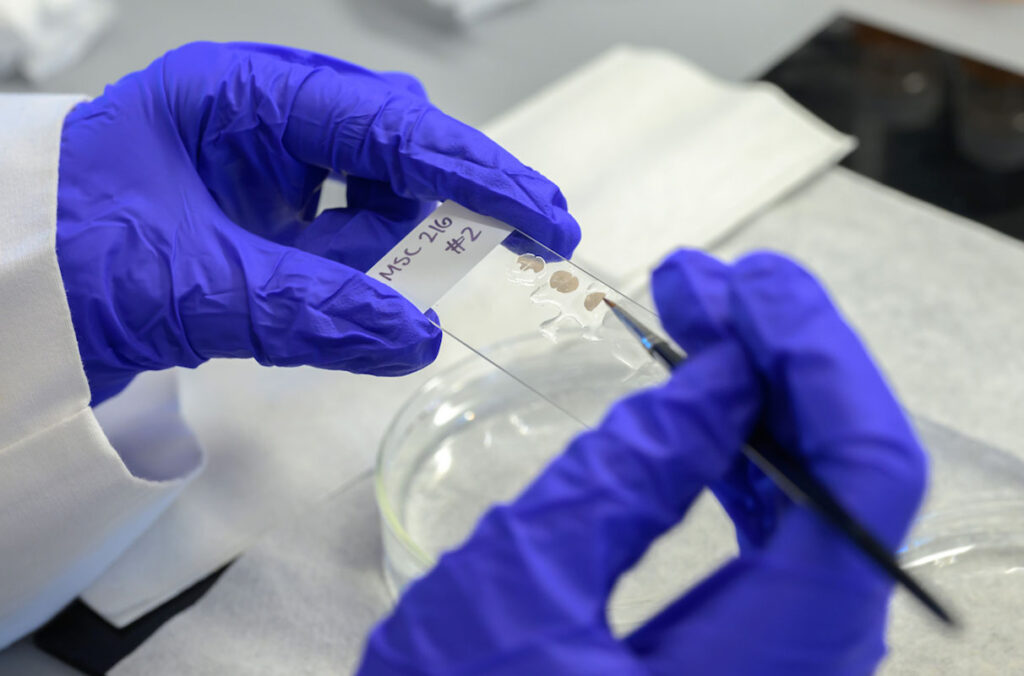
WSU horticulture professor Carol Miles worked with NMC faculty and staff on seed germination tests to identify which varieties of seeds will grow successfully in their tropical climate.
“Food security is a huge concern in Saipan, and backyard tomato plants, for example, aren’t thriving in the island’s tropical climate,” said Nancy Deringer, an interim associate dean of WSU’s College of Agricultural, Human, and Natural Resource Sciences (CAHNRS) and lead for WSU on the NextGen project. “A large percentage of the population’s diet is currently imported, but they could be growing their own vegetable gardens.”
Miles is also working with NMC students on writing projects with the goal of preparing them for coursework when they move to a four-year institution, Deringer said.
Two other WSU staffers also visited Saipan for 10 days early this summer to talk about the benefits of higher education.
“We had goals, but no set itinerary when we arrived,” said Colette Casavant, director of student success in CAHNRS. “We knew we would be recruiting students and looking at future recruiting opportunities, but we didn’t know about the impressive number of WSU alumni on the island. There was a network and community of WSU people there, which was great to see.”
The fact that WSU sent representatives stood out to Terlaje Pangelinan.
“It says a lot when a university sends people to our humble island to see what we have to offer, rather than just saying, ‘pack your stuff and come on over,’” he said. “It’s not easy to get here; it’s a 17-hour time difference and a lot of flying.
Terlaje Pangelinan plans to earn a bachelor’s degree at WSU, where he will focus on sustainable agriculture, forest ecology, and Indigenous studies. He hopes to start graduate school immediately after that, then return home and help his neighbors and friends.
“Saipan is a treasure trove of Indigenous knowledge and culture, and I’ll go to any length to help preserve that,” he said. “If that means flying thousands of miles to a landlocked town in the middle of the hills, no problem. I know I will end up back here and use what I learn at WSU to build up my home. That’s what is pushing me. I’m ready for anything.”