A fundamental premise of Michael Pavel’s history of higher education course is that “American higher education cannot be adequately understood, nor can informed decisions be made, without the benefit of a historical perspective.”
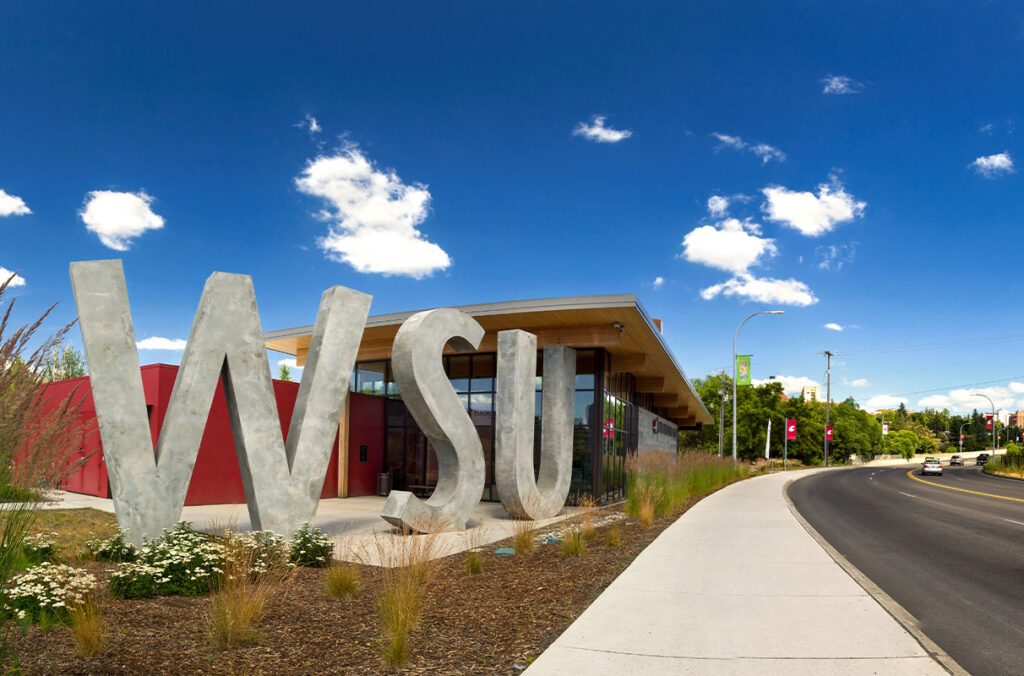
Tonight, graduate students in his ED AD 572 class will be giving poster presentations on the history of myriad topics and issues in higher education, including college affordability, women’s colleges, intercollegiate athletics and assessment. The public is invited to the presentations scheduled for 7:10 to 8:30 p.m. in the Second Floor Atrium at the Smith Center for Undergraduate Education. Refreshments will be provided.
Pavel, an associate professor in the department of educational leadership and counseling psychology, said ED AD 572 is not a recitation of what happened before, but more an analysis of how we got where we are and where we might go from here. Further, students are encouraged to better understand the whole by focusing on one part and understanding how it changed over time.
Opinions about issues in higher education are often deeply held and connected to one’s own experiences, Pavel said, so keeping discussions open, respectful and honest can be a challenge. But, he said, that immediacy and relevancy also makes it an exciting class to teach.
“It’s very important that folks at this level see themselves as change agents,” he said.
Paul Weed, a fiscal specialist in the WSU Office of Research, will be presenting his research on the history of land-grant universities. Weed, who earned his undergraduate degree from Western Washington University, said as an employee of WSU he recognized many of the differences between the two universities, but his research helped him better understand the reasons for the differences.
As a required course, The American College and University didn’t sound like a particularly exciting class, he said, but it has exceeded his expectations “by far.”