WSU’s Engineering Education Research Center is home to five projects involving nine faculty members with grants totaling $2.7 million from the National Science Foundation.
Prior to the center’s creation in January 2005, a couple of small, independent projects looked promising, but the collaboration behind the EERC — fast becoming a driving force in research-based engineering education — took flight with an airport conversation.
“We were on our way back from our Mission to DC,” said Gerald Maring, professor of education. Maring was part of a team of faculty members, including engineering professor Denny Davis, who had been meeting with program officers in DC to learn more about obtaining federal research grants.
“Sitting in the airport, we decided to form an interdisciplinary center, the Engineering Education Research Center, with the goal of studying — and improving — student interest in engineering and science careers,” he said. That goal became a reality in January 2005 with Davis and Maring as co-directors.
The largest of the five projects, known as CREAM (Culturally Relevant Engineering Applications in Mathematics) is funded by a $1.5 million NSF grant and launched this fall.
It’s the realization of what Davis and Maring envisioned in that airport conversation.
Talking with program officers at federal agencies, in this case at the National Science Foundation, is crucial, Davis said. In fact, that is what convinced them of the need to formalize their interdisciplinary collaboration by creating a research center. But, sometimes simply talking with colleagues from other departments can open doors.
That usefulness to faculty — and to the university — is exactly why the Missions to DC program was begun in the fall of 2002, explained Jim Petersen, vice provost for research.
“With the Mission to DC program, we hoped to increase the level of scholarship here, to enhance the reputation of WSU, to build collaboration among our faculty, to help fund individual projects and to help faculty better understand how funding works,” Petersen said. “We expected to catalyze change through the program — change that would implement the strategic goals of the university.”
From 2002 through the spring of 2006, 82 faculty members have traveled to Washington, D.C., to meet with federal officials. In April 2006, six faculty members traveled to New York to meet with funding officials there in the first official Mission to NY.
“Humanities and arts faculty are largely funded by private foundations, not public agencies,” Petersen explained, and more of those foundations are in New York.
Next Story
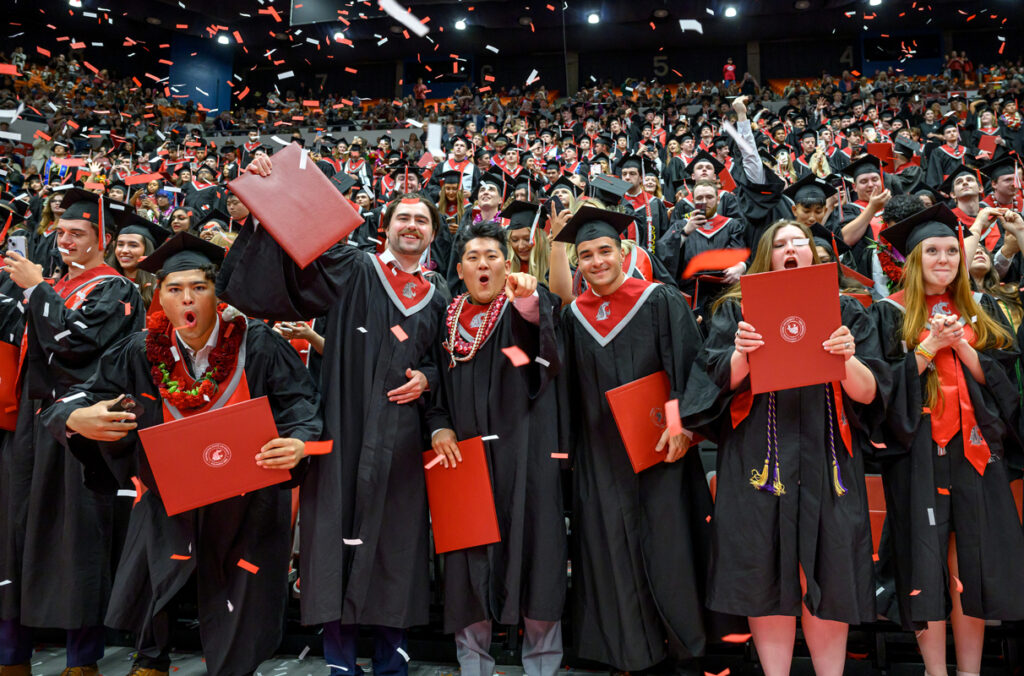
Commencement volunteers needed in Pullman
Any members of the WSU community who would like to volunteer can sign up for a time slot online. Breakfast and lunch will be provided.
Recent News
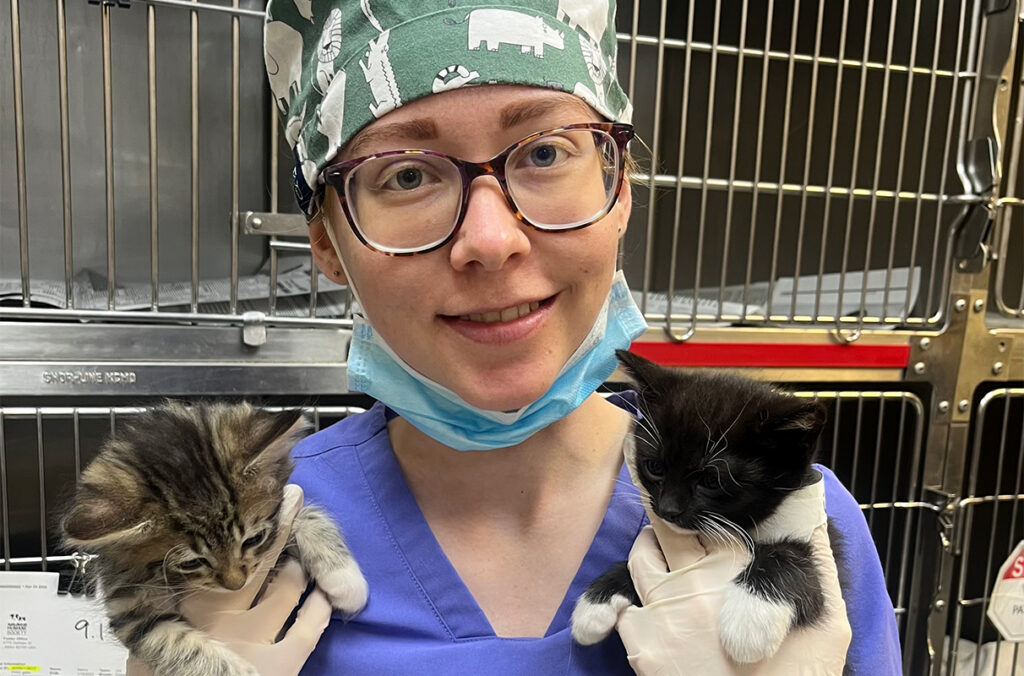
WSU veterinary student Ammasie Allred earns international theriogenology honor
Allred has been named a 2026 Nandi Scholar, earning one of two $5,000 international awards recognizing final-year veterinary students who demonstrate exceptional promise in theriogenology, leadership, and scholarly excellence.
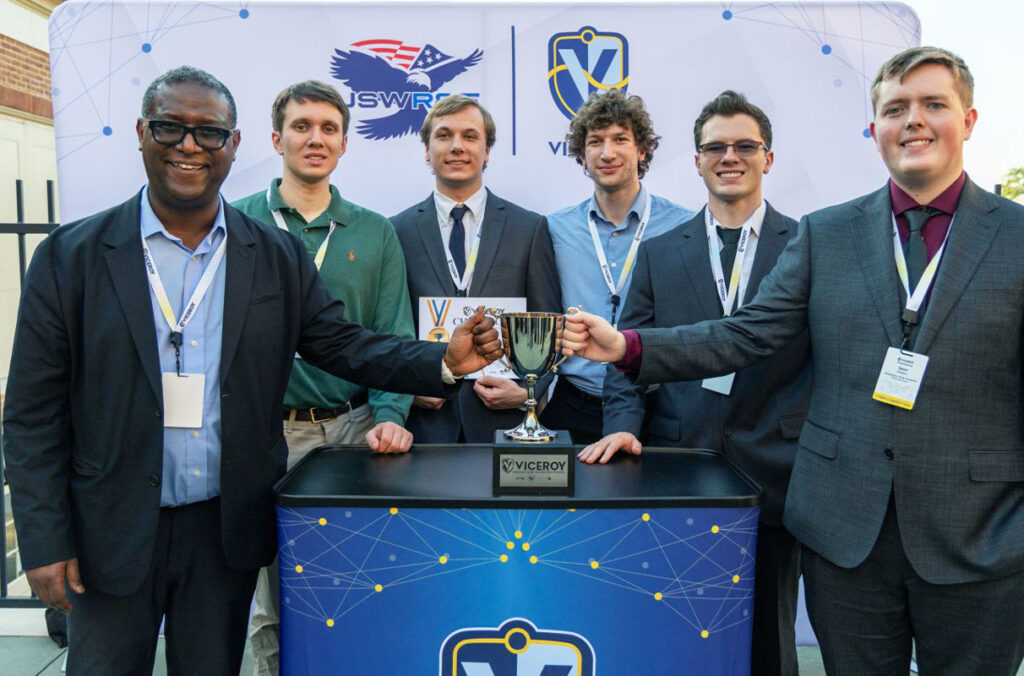
WSU student team takes first at national cyber competition
A team of WSU computer science students recently earned first place in the 2026 VICEROY National Cyber Competition called The Guardian Prevails.

WSU Board of Regents hosting virtual meeting May 7
Regents will convene a series of committee meetings prior to the full meeting of the WSU Board of Regents.
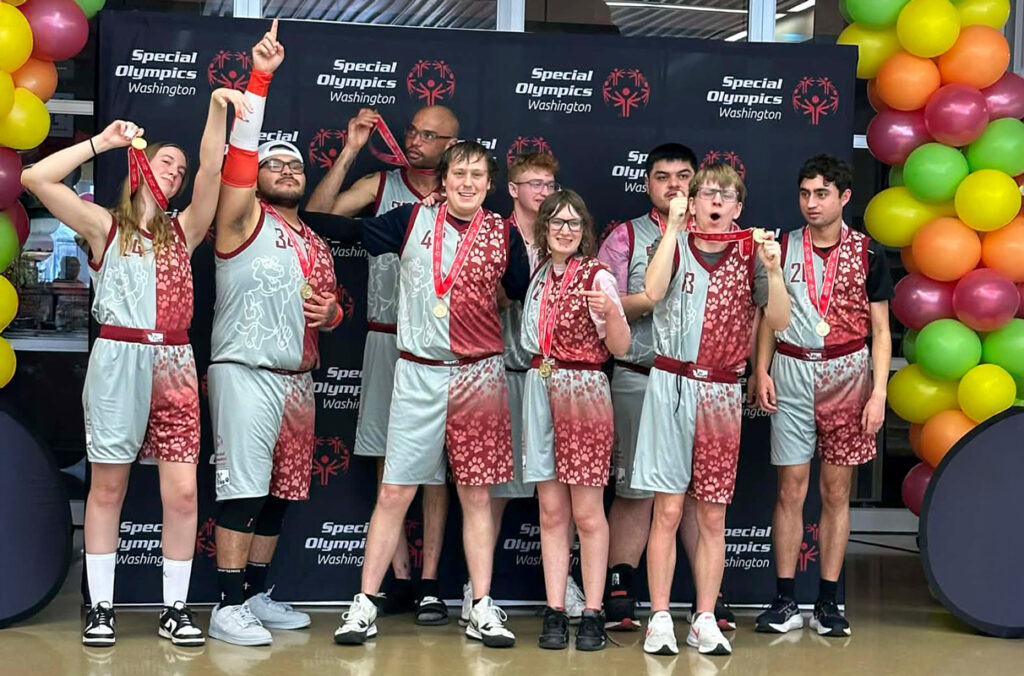
ROAR students win gold at Washington Special Olympics
WSU ROAR students helped lead the Whitman County Superstars to a gold medal at the Washington Special Olympics Winter Games, capping a season defined by teamwork, growth, and standout sportsmanship.
Dr. Universe explains why people drop out of school
WSU psychologists Brian French and Paul Strand help Dr. Universe explain that there’s rarely just one reason students leave school.

ESPN partnership expands Pac‑12’s media reach
Under the agreement, all live sports airing on The CW will be simulcast on the ESPN app for ESPN Unlimited subscribers.