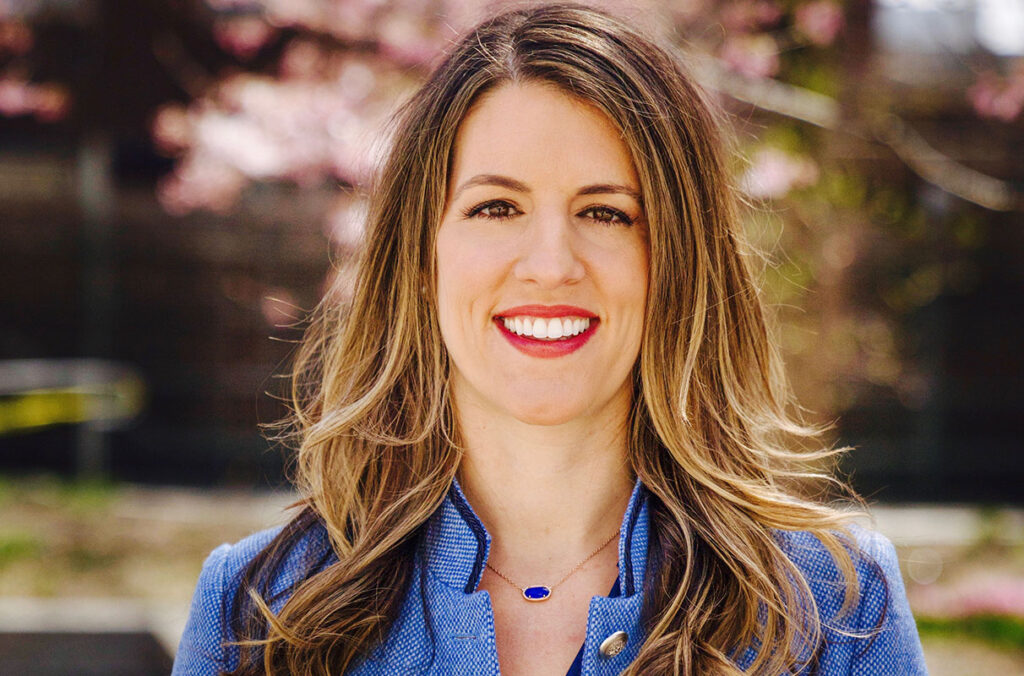
Dr. Jae Kyoung Kim — associate professor at the Korea Advanced Institute of Science and Technology in Department of Mathematical Sciences — will be visiting WSU Spokane for the SPRC Seminar Series. His seminar, entitled “Math + AI + Wearables for sleep and circadian rhythms disorders,” will be in person in the Spokane Academic Center room 345 and through Zoom on Friday, June 7, 12:10–1 p.m.
Jae Kyoung Kim is an associate professor in Dept. of Mathematical Sciences, KAIST and Chief Investigator of Biomedical Mathematics Group, IBS. After receiving his PhD in Applied & Interdisciplinary Mathematics at the University of Michigan, he continued his postdoctoral research at the Mathematical Biosciences Institute at Ohio State University. He has combined nonlinear dynamics, the theory of stochastic processes, and scientific computing to solve critical biological and medical problems, including sleep disorders. His math models have been used for the development of a new drug and digital medicine for sleep disorders. He is the editor of J Theor Biol, Math Biosci, NPJ Syst Biol, NPJ Biol Time & Sleep, Current Opinions Syst Biol, J Biol Rhythms, and PLOS One.
We look forward to you joining us in person (SAC 345) or through Zoom!
Questions/Zoom link? Contact Michelle Sanchez at michelle.r.sanchez@wsu.edu.