Dr. Universe explains how wind moves

Illustration of Dr. Universe, an anthropomorphic cat wearing a WSU t-shirt and a lab coat.
Ask Dr. Universe

Washington State University’s resident feline scientist, Dr. Universe, answers a breezy question from Elijah, 10, of North Carolina: How does the wind move?

With help from WSU atmospheric scientist Jun Meng, Dr. Universe explains that wind is air moving from areas of high pressure to areas of low pressure. Those pressure differences form because the sun heats Earth’s surface unevenly, causing warm air to rise and cooler, denser air to sink.

Readers also learn how pressure differences affect wind speed, why Earth’s rotation curves the wind’s path and how sea and land breezes change between day and night.

They’ll also discover the important work wind does around the planet, from moving heat and moisture to carrying seeds, pollen and even phosphorus-rich dust from the Sahara Desert to the Amazon rainforest.

Ask Dr. Universe is a science education project from WSU that answers real questions from curious kids around the world. Readers and listeners can submit their own questions and explore more columns, videos and the Ask Dr. Universe podcast online.
Next Story

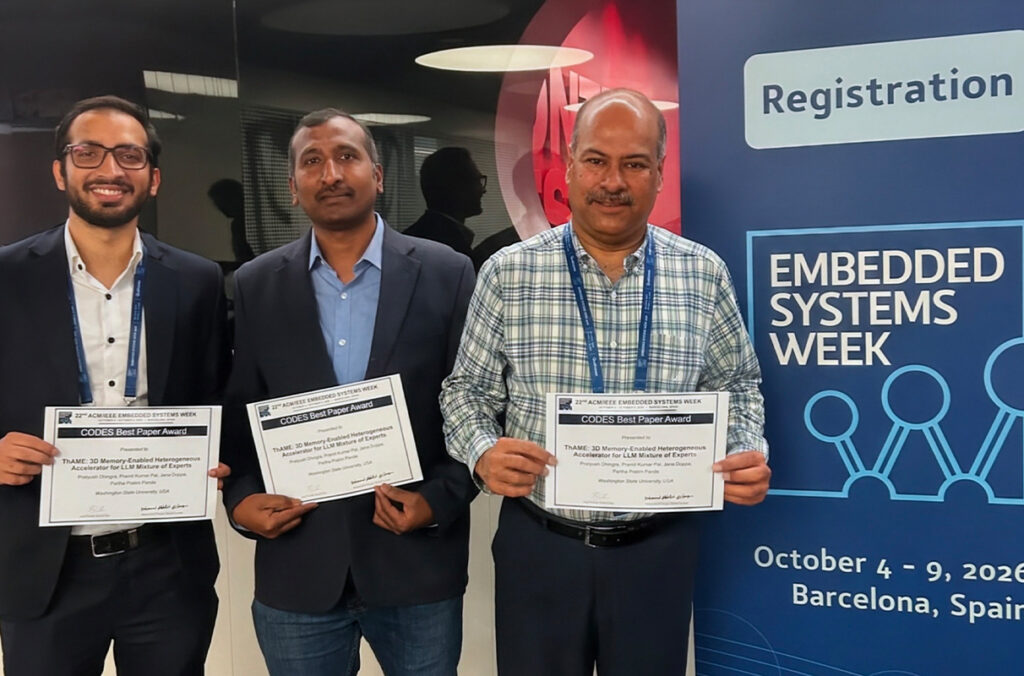
Researchers receive ESWEEK best paper award 

The WSU team developed a new hardware architecture that could help AI models such as ChatGPT and Claude run faster while using significantly less energy.

Recent News

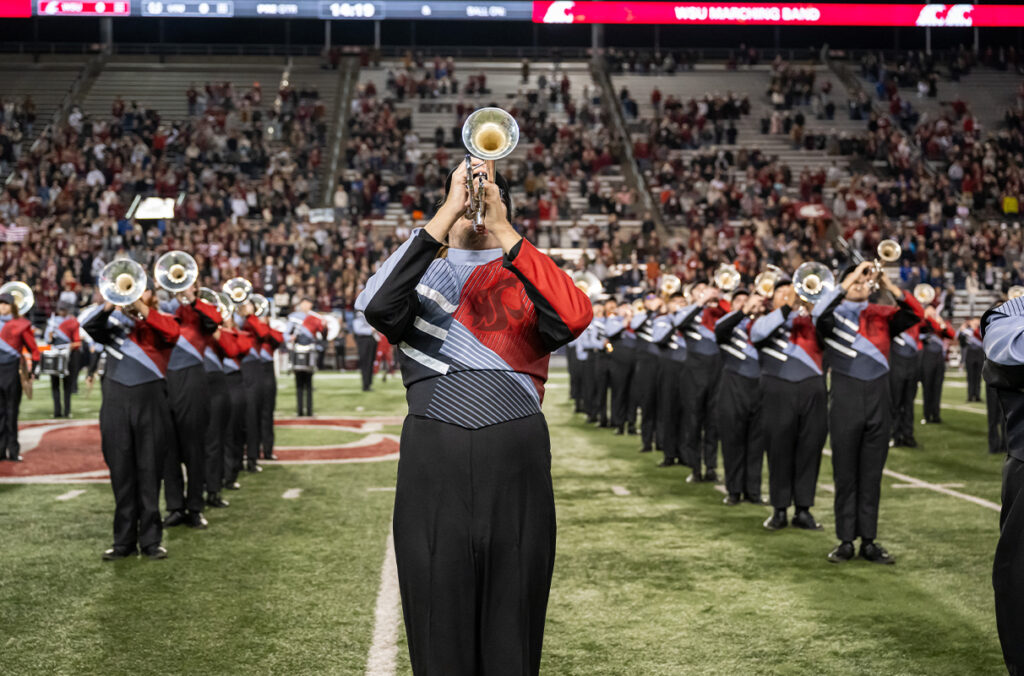
Cougar Marching Band boasts largest-ever student membership

The Cougar Marching Band has grown to a record 260 members, its largest roster since its founding in 1899, and will perform a James Bond-themed halftime show at Saturday’s Homecoming game against Boise State.

WSU alums changed manufacturing one layer at a time

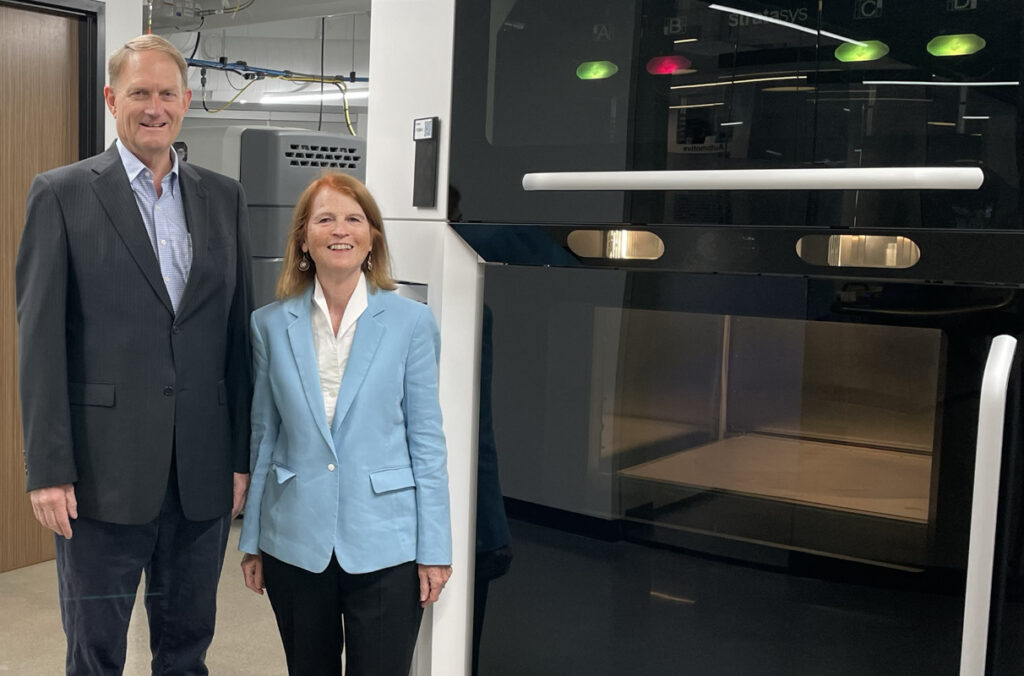
3D printing pioneers Scott and Lisa Crump are this year’s recipients of the Regents’ Distinguished Alumni Award, the highest alumni honor bestowed by WSU.

WSU Statewide Campuses names campus directors

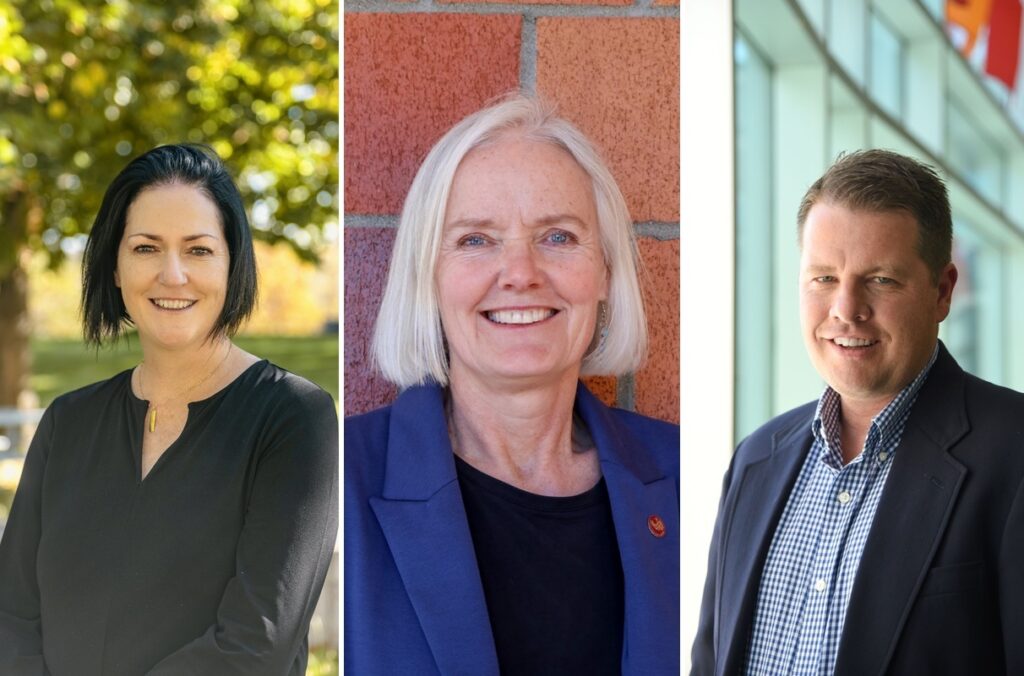
WSU has named campus directors for its Everett, Tri-Cities and Vancouver campuses to strengthen local leadership and improve connections between campus communities and university administration.