SPOKANE, Wash. — Working from home is often seen as a good solution for new mothers, but a new Washington State University study reveals that the blurred boundaries between home and work can introduce barriers to sustained breastfeeding.
While proximity between mother and child is necessary, the nature of a mother’s workload and continuous support are also critical, according to new research published in the Western Journal of Nursing Research.
Among the counterintuitive findings of the longitudinal study: Mothers who were employed, both at home and away from home, were more likely than stay-at-home mothers to continue exclusively breastfeeding over the course of six months. Mothers who worked outside the home had the highest probability of doing so, even while experiencing negative emotions due to separation.
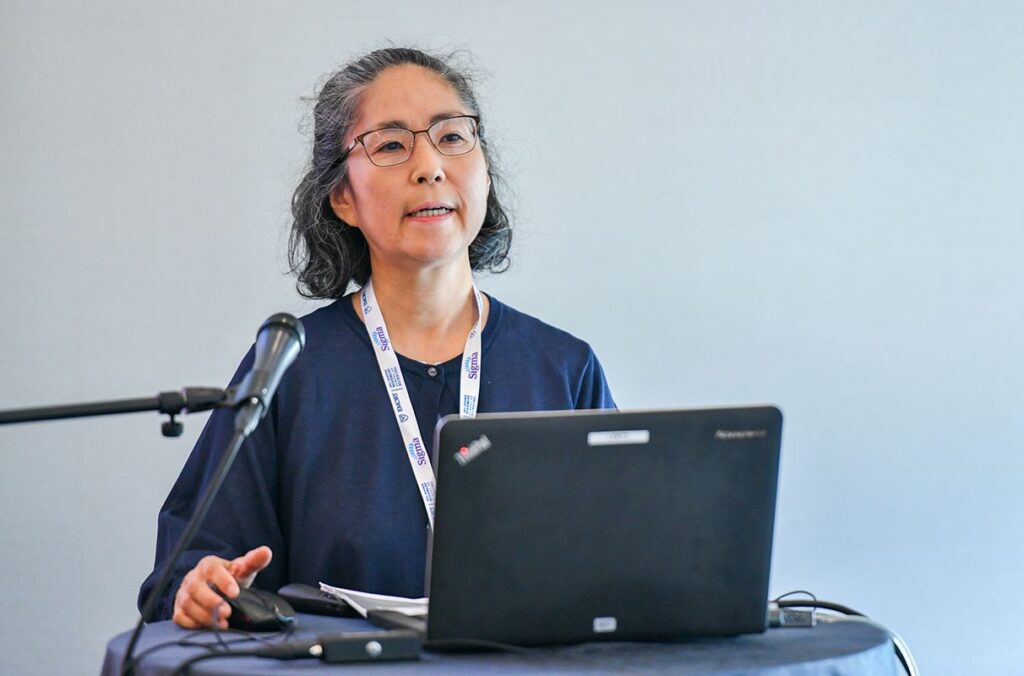
Natsuko Wood, an assistant professor at the WSU College of Nursing and corresponding author of the new publication, said the findings highlight the need for employers to offer robust, targeted support for breastfeeding employees, regardless of where they work.
“The data reveal that work engagement – not just where the work is done – is what truly matters,” Wood said. “Caring for an infant is a rewarding but demanding job, and performing paid work is equally demanding. Juggling both creates a compound workload for mothers. True support requires institutional backing, structured breastfeeding support, and clear workplace boundaries, regardless of a mother’s physical work location.”
The publication coincides with World Breastfeeding Week, celebrated globally from August 1-7. Current global guidelines recommend exclusive breastfeeding for the first six months, followed by continued breastfeeding alongside solid foods for two years or longer. According to the CDC, exclusive breastfeeding at six months is only 27% in the U.S.
Remote and hybrid work surged during the COVID-19 pandemic and have remained common. Some past research has suggested that work-from-home arrangements helped to foster exclusive breastfeeding among working mothers.
Wood’s research team tracked an online survey cohort of 81 new mothers across four distinct timepoints (4, 12, 20, and 24 weeks after birth) between June 2022 and August 2023, capturing the critical transition from the COVID-19 pandemic to its formal end. The study evaluated three distinct groups: stay-at-home mothers, remote mothers returning to work from home, and mothers returning to work outside the home.
Those returning to work from home reported greater initial flexibility and emotional stability. However, by the 24-week mark, many mothers struggled to sustain exclusive breastfeeding.
In a striking reversal, the probability of continuing exclusive breastfeeding through the first 24 weeks was highest among mothers working outside the home (70%), followed by those working from home (60%). Stay-at-home mothers reported the lowest exclusive breastfeeding probability (37%) as well as the lowest breastfeeding relationship scores, which track mother-infant responsiveness, perceived adequacy of milk supply and other measures.
“Many people assume stay-at-home mothers to have the highest breastfeeding probability because they have constant physical proximity to their infants,” Wood said. “However, our findings reveal a hidden vulnerability. Stay-at-home mothers are constantly working at home without a paycheck, managing continuous household and childcare demands 24/7 that lack the built-in boundaries, set hours, or formal recognition found in jobs outside the home.”
While physical proximity to an infant is thought to facilitate breastfeeding, the study found that the nature of a mother’s workload was also important for remote mothers. As workload intensity increased, high work engagement and the cognitive demands of meeting deadlines or leading projects made it difficult for remote mothers to pump or breastfeed. When workplace support was lacking, these obstacles became even more pronounced.
While the cohort’s probability of exclusive breastfeeding was higher than the current national average during the pandemic and the transition to the post-pandemic era, Wood noted, these counterintuitive findings highlight unique structural challenges that require targeted attention.
Media Contacts
- Natsuko Wood, WSU College of Nursing, natsuko.wood@wsu.edu
- Shawn Vestal, WSU News & Media Relations, shawn.vestal@wsu.edu