PULLMAN, Wash. — Nearly a billion pounds of plastic film mulch is used in American agriculture each year, and most of it is dumped into landfills.
New research from Washington State University shows that recycling could be a feasible alternative, reducing reliance on fossil fuels and keeping plastics out of the waste stream. The researchers recycled plastic films from strawberry farms in four states — Washington, California, Nebraska and Florida — and found that the soil contamination and moisture varied greatly among regions, as did the structural characteristics of the recycled materials. However, so long as the films were properly cleaned in advance, they all produced “mechanically sound” recycled materials.
“Every site has different soil and the different soils bond to the plastic a little bit differently, creating a different contaminant load,” said Karl Englund, a research professor of civil and environmental engineering in the WSU Composite Materials and Engineering Center, as well as the corresponding author of the new paper.
“Those contaminants then affect the final properties of the recycled product, too. None of these states are exactly alike, and everyone needs to get the contaminants down as much as possible, because the cleaner they are, the more value you can expect from them.“
The paper was published in the journal Cleaner Waste Systems. Funmilayo Adesina, a graduate student at WSU, was the lead author, and former WSU researcher Hui Li, now of North Carolina State University, was a co-author.
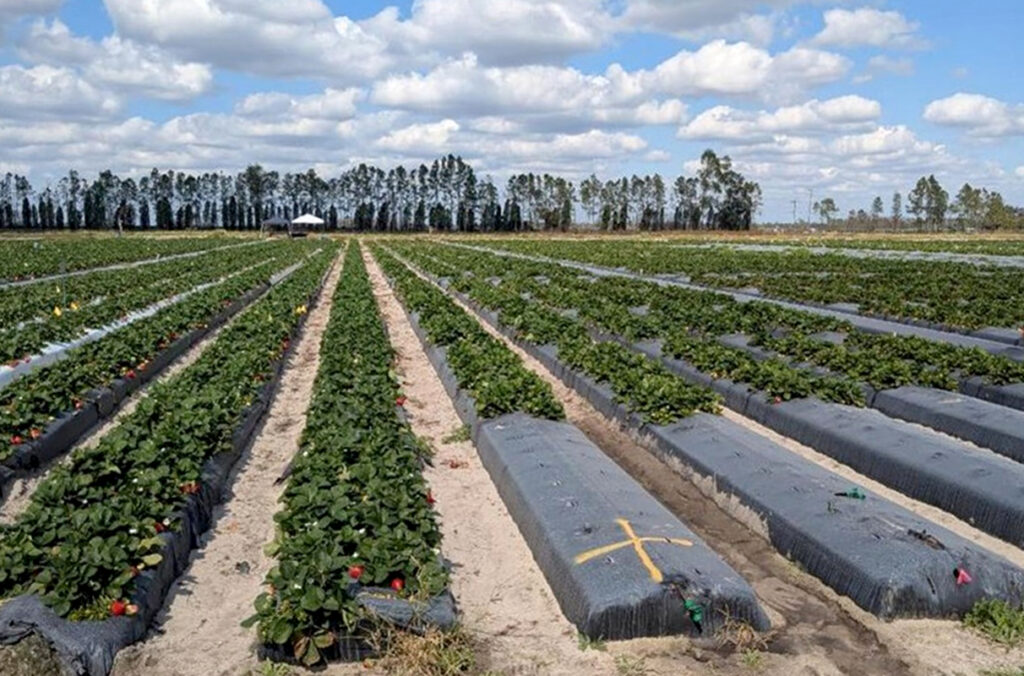
The widespread use of plastic mulch film brings significant benefits for growers of high-value, warm-season crops, such as tomatoes, melons and strawberries. Sheets of the film are laid over the soil before planting, raising soil temperature, limiting evaporation, and preventing weeds, leading to bigger yields.
Of the nearly 500,000 tons of plastic mulch used in agriculture each year in the United States, and nearly all of it is landfilled or burned. Plastics in landfills create a range of environmental problems, as they break down into microplastics that can leach into the ground and water; in addition, the production of new plastics contribute to greenhouse gas emissions and rely upon fossil fuels. at a time of skyrocketing costs.
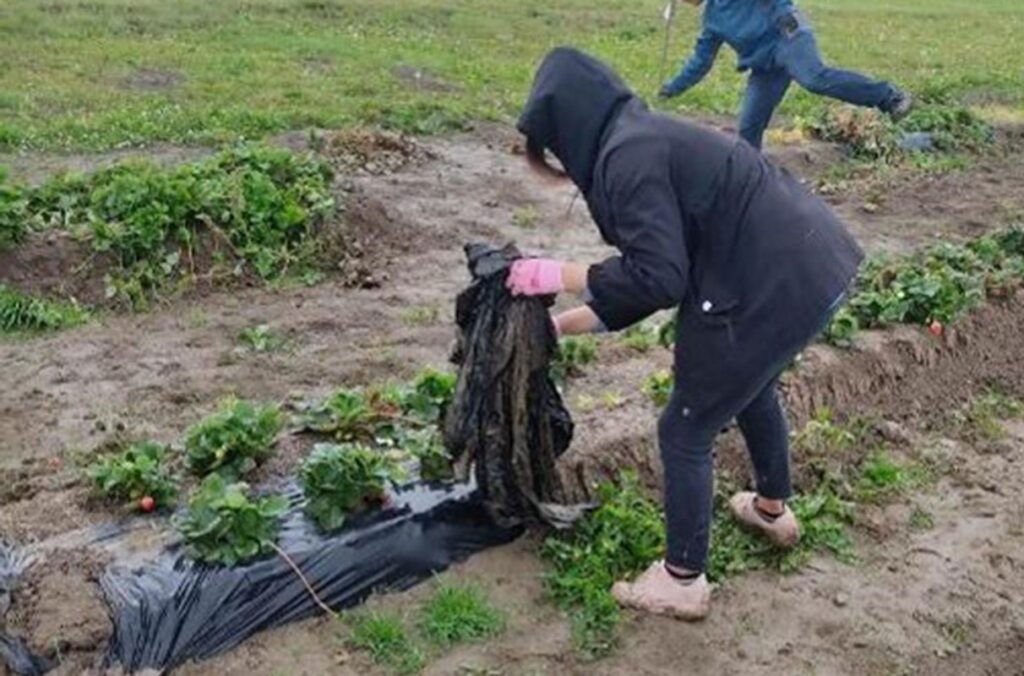
Recycling films is difficult in part because it’s physically challenging for recycling systems to deal with the very thin plastic layers. Other factors that can limit the feasibility of recycling plastic include a lack of specialized recycling facilities. Contamination from soil, plant matter and agricultural chemicals stuck to the plastic, as well as moisture, also contributes to the challenge of creating marketable, cost-effective recycled byproducts from plastic films.
Of the four states, Washington’s clay-based soil and wet climate created the biggest problems; researchers found that even when the films were seemingly cleaned that significant amounts of soil still clung to the final recycled product, making it stiffer and less pliable.
Florida, by contrast, has sandier soil and a hotter climate, so films from that state were less contaminated.
“We did see dramatic differences among states,” Englund said. “The fields In Florida are completely different than Washington — I cannot believe they can get stuff to grow in sand. And that stuff just doesn’t stick to the plastic.”
In addition to evaluating differences across regions, researchers studied the mechanical properties of injection-molded specimens produced from recycled materials and compared them across regions. Overall, items produced from recycled films were stronger than those recycled from new film, but stiffer and less flexible. Those effects were more pronounced in the films from Washington, where the climate and soil produced more contaminants. A key factor in making the recycling work was pretreatment: ensuring the films were as clean as possible, and drying and shredding the plastics beforehand.
Most of the mulch film used in the U.S. is polyethylene, which is seeing price hikes right now as global oil prices rise – yet another reason for people to consider recycling, Adesina said.
“Rising international crude oil prices across the globe will definitely increase the price of polyethylene from which mulch films are made,” she said. “So, working at the frontlines with my professors in WSU’s CMEC in the fight to salvage every single mulch plastic from landfills translates directly into a positive impact on the economy, and it will also help the environment.”
Media Contacts
- Karl Englund, WSU Composite Materials and Engineering Center, englund@wsu.edu
- Shawn Vestal, WSU News & Media Relations, shawn.vestal@wsu.edu