Raven Weaver grew up surrounded by neighbors as surrogate grandparents. After they experienced health issues, she helped with gardening and rehabilitation, or simply spent time with them.
“As they grew old, I grew up,” said Weaver, an associate professor in Washington State University’s Department of Human Development. “I didn’t realize how instrumental they were to my future studies as I left for college. And I didn’t realize that my appreciation for older adults, even those that I didn’t know, was unique.”
That interest led her into the field of gerontology, the study of aging and older adults. Weaver’s research and dedication to helping older generations were recently acknowledged when she was selected as a fellow by the Gerontological Society of America (GSA). Fellow status is voted on by current fellows and recognizes outstanding contributions to the field of gerontology, according to the GSA. It represents the organization’s highest membership category.
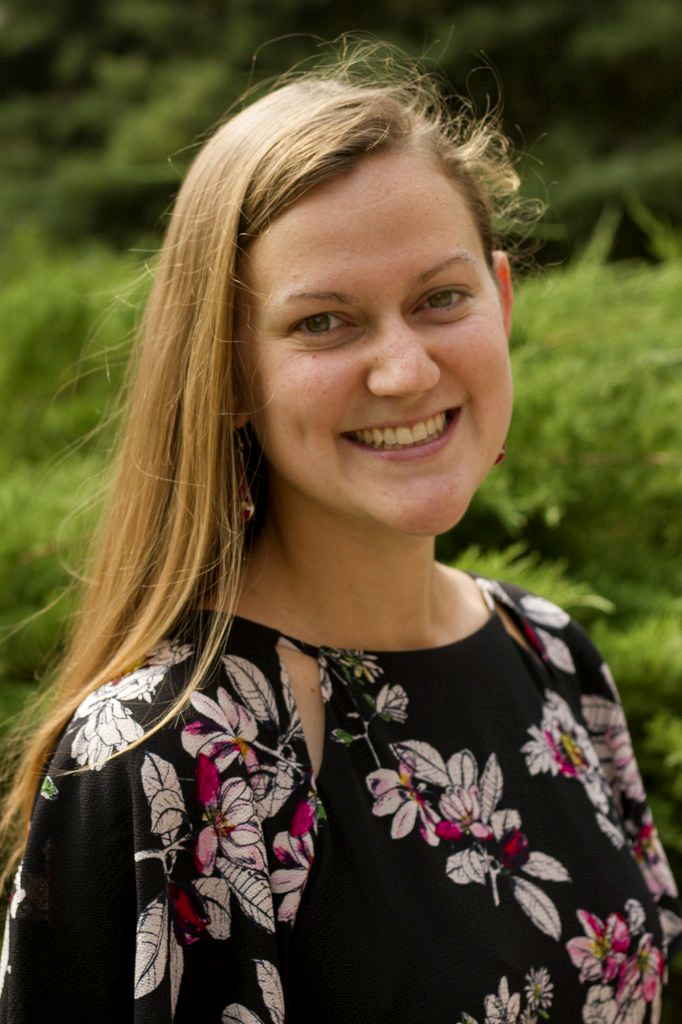
Weaver said she’s honored to be named a fellow, especially since the electorate includes scientists that she’s looked up to since joining the organization as a graduate student in 2012. She becomes a fellow in her seventh year as a professional member, the earliest possible timeline allowed by the society’s bylaws.
“This is a tremendous honor for me,” she said. “Fellow status definitely felt unreachable when I first joined GSA.”
Weaver’s research looks at gerontology from a prevention perspective, focusing on healthy aging and preparing for the inevitabilities of growing older. That includes helping older adults age in place and be proactive in talking with family and friends in case of crisis. It also includes death planning.
“It’s so important that we normalize those often-difficult conversations,” Weaver said. “My research started with home and community service and has shifted more toward helping people think about how they are aging and engaging in end-of-life conversations.”
Having grown up in a small town of around 500 residents in rural West Virginia, Weaver also looks at the context of how where older adults live affects the available services.
“Restricting access to health services, including the closure of nursing homes, is very problematic,” Weaver said. “When services close in rural communities, individuals have reduced access to consistent, high-quality care and are often forced to travel far from home to access it. This can take a toll on their mental health and put strain on their informal caregiving network.”
Currently, she is working with students on the WSU Spokane Health Sciences campus, developing a training program for future health professionals on how to have conversations with older adults on topics like death and end-of-life medical care. That work has been particularly rewarding, she said.
“Engaging with students in their training and helping them learn how to have effective conversations about end-of-life situations can provide better care for patients and their families,” Weaver said. “It also benefits health care providers. Making sure providers are processing their experiences can lead to better care for patients.”
Normalizing conversations about aging and death is a challenge, but it’s worth it for the new GSA fellow.
“Too often, people only think about the negative aspects of aging and death,” Weaver said. “Death is never beautiful, but how we let our wishes be known and how we communicate with loved ones is very important for individuals and families.”