The Division of Student Affairs at Washington State University Pullman has launched a bold new strategic plan — its first in more than two decades — marking a milestone in how it serves, supports, and challenges students.
The strategic plan, unveiled during a campus-wide event on April 15, 2025, is the result of nearly a year of deep engagement across the division. Student Affairs is one of the largest and most complex areas on campus, encompassing 30 departments, more than 500 administrative professional and civil service employees, and over 1,200 student workers.
Vice Chancellor for Student Affairs Romando Nash prioritized the development of the plan immediately upon his arrival in summer 2024.
“Without a clear mission statement, a vision, and values that speak to our cohesion, we are just a group of departments moving along in their own direction and at their own pace,” Nash said. “We want our departments walking together toward a common set of goals.”
The plan identifies five strategic focus areas:
- Health and Wellbeing
- Student Support and Advocacy
- Student Engagement
- Organizational Excellence and Operational Efficiency
- Residential and Campus Experience
Developed with extensive input from staff, leadership, and students — including a student advisory group — the plan is designed to be both aspirational and practical, helping guide everything from daily operations to long-term fundraising strategies.
“This will be a foundational document that informs everything we do,” said Kim Holapa, associate vice chancellor for strategy and advancement. “From assessment to communications to new initiatives — it’s a map for where we’re going and how we get there.”
Built for accountability and growth
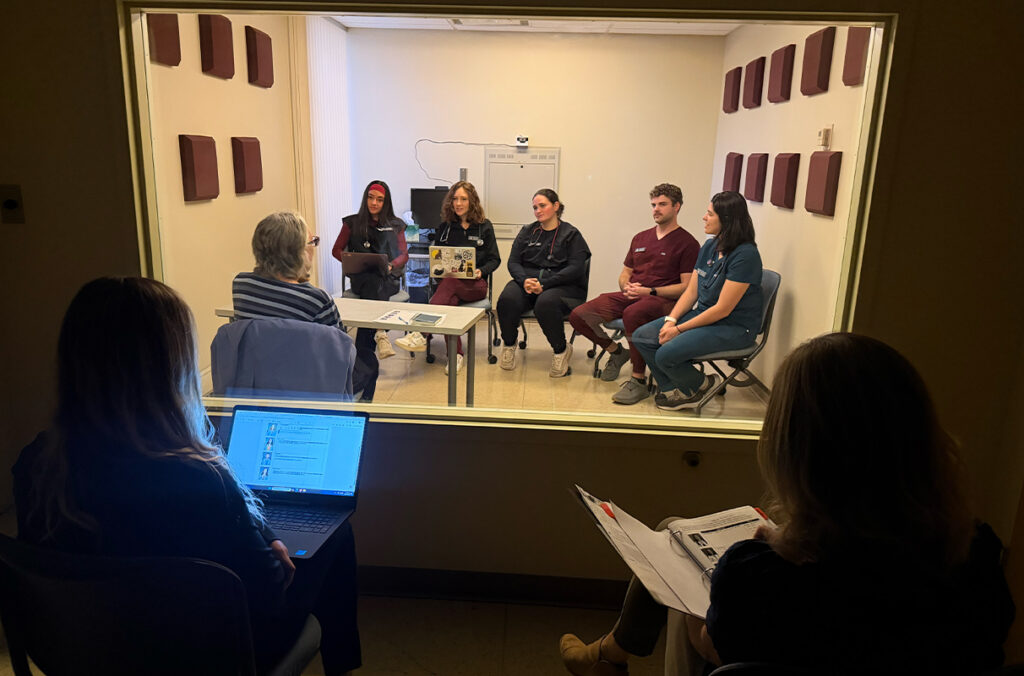
Assessment is a key part of the division’s strategy for maintaining momentum. Student Affairs has partnered with NASPA Advisory Services, a national leader in student affairs professional practice, to conduct external reviews for every Student Affairs department over the next several years.
Each review involves a deep dive into departmental budgets, staffing, services, and impact with a team of national experts who engage directly with staff, students, and campus partners.
“External reviews are not intended to focus on what we may be doing wrong,” Nash said. “Rather, it’s a chance to learn what we’re doing well and what more we can do to better serve students.”
Eight affinity centers were among the first to participate in external reviews during fall 2024, while several units, including the Center for Fraternity and Sorority Life and the Compton Union Building, are currently in the review process. External reviews will continue until the end of fall semester 2026.
“The goal is for all departments to conduct reviews every few years to ensure we’re constantly learning and improving,” Holapa said. “It may feel challenging at times, but it makes us stronger in the long run.”
What’s next
The division has launched a public-facing strategic plan dashboard that will help track progress and increase transparency. The dashboard will be updated regularly and used to engage the campus community in ongoing dialogue and partnership.
“This isn’t just a one-time announcement — it’s a long-term commitment,” Nash said. “And the best part is, we’re just getting started.”
Check out the full strategic plan on the Student Affairs website.