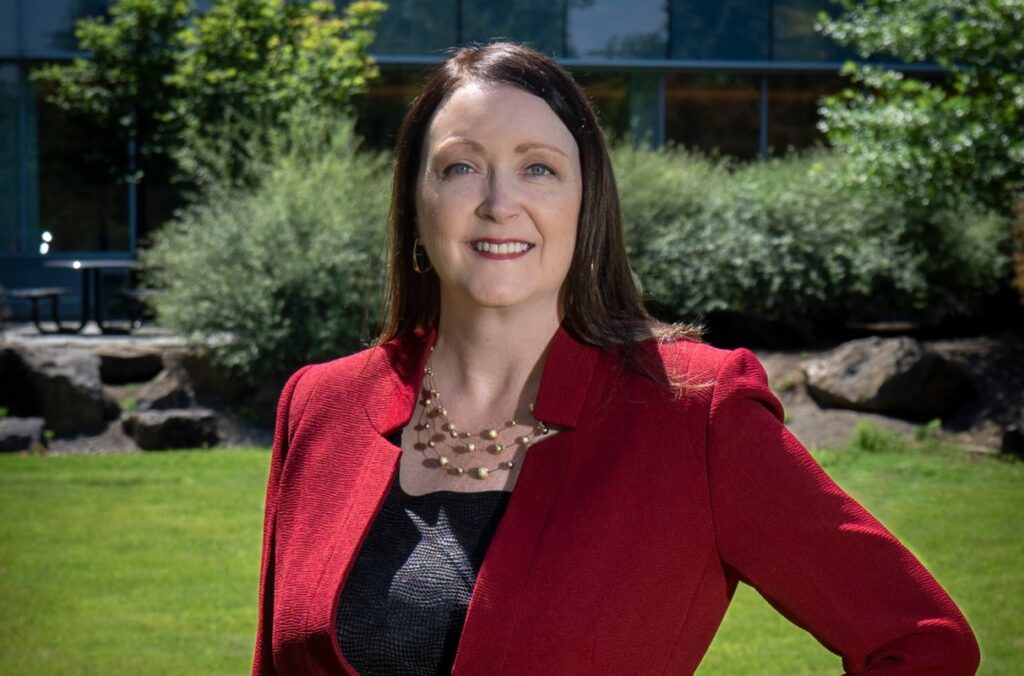
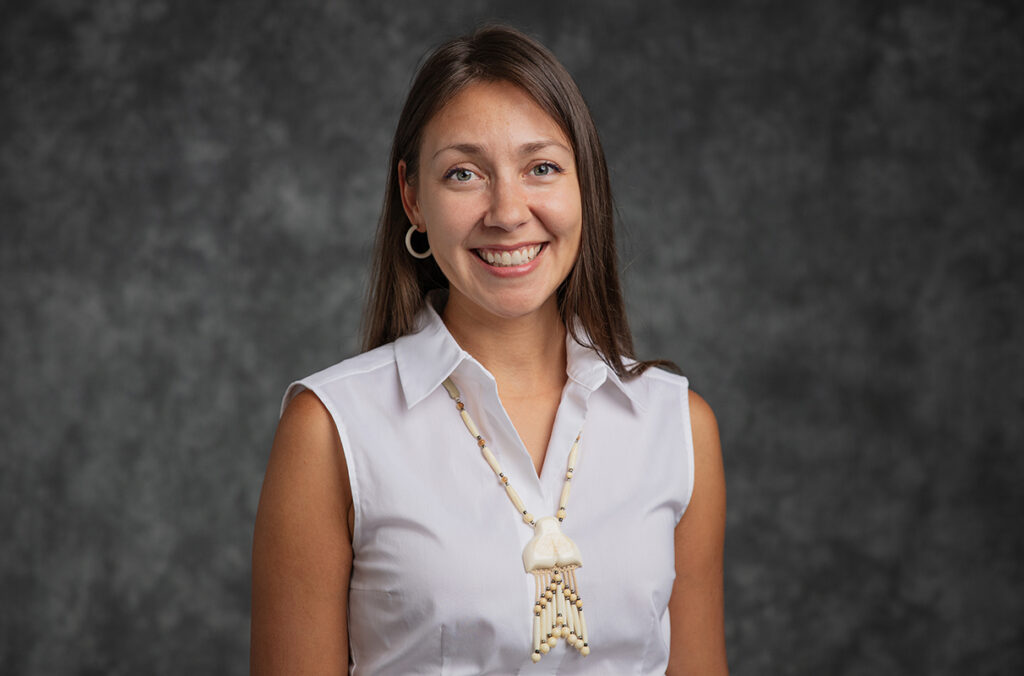
Washington State University professors Kelly Brayton and Thomas Kawula were among the 65 scientists recently elected to the American Academy of Microbiology’s class of 2025 fellows.
Fellows of the American Academy of Microbiology, an honorific leadership group within the American Society for Microbiology, are elected annually through a highly selective, peer-review process based on their records of scientific achievement and original contributions that have advanced microbiology.
This year, the academy received 146 nominations, including those for Brayton and Kawula, who are both prominent leaders at the WSU College of Veterinary Medicine.
“Fellows are pioneers in their field, driving discovery and innovation that pushes the boundaries of science and benefits society at large,” said Vanessa Sperandio, PhD, Chair of the Academy Governors. “Being named an academy fellow is a prestigious honor, and I am thrilled to extend my congratulations and warm welcome to Drs. Brayton and Kawula as members of the 2025 cohort.”
Brayton serves as the department chair of the Department of Veterinary Microbiology and Pathology and is internationally recognized for her research on tick-borne pathogens.
Her genomics research has led to the identification of genes involved in the transmission of tick-borne diseases and sheds light on infection processes. Her work has also identified several promising vaccine candidates, most notably for Anaplasma marginale, a tick-borne pathogen responsible for billions of dollars of losses globally for the cattle industry. This past summer, she was awarded an $800,000 grant to develop a safer and more effective vaccine for A. marginale.
“The American Society for Microbiology is the largest and most well recognized organization for microbiologists, and I am honored and humbled to be recognized by my peers,” Brayton said. “This recognition acknowledges excellence, originality and leadership in the microbiological sciences.”
She continued, “As a fellow of the American Society for Microbiology I will work to elevate the national recognition of our program here at Washington State University that is comprised of excellent faculty, staff, and students in this field.”
Kawula is the director of the Paul G. Allen School for Global Health and the current holder of the Creighton Endowed Chair in Global Health, established to empower the Allen School to advance science, people, and policy to discover novel approaches for disease intervention and delivery of preventative healthcare for animals and humans.
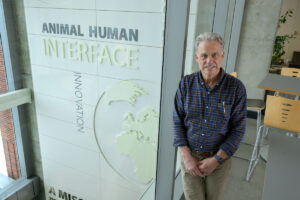
As director of the Allen School, Kawula oversees research ranging from infectious disease to antimicrobial resistance and rabies control and prevention. Kawula’s personal research interest explores how zoonotic intracellular bacterial pathogens survive and thrive within host cells, specifically how these pathogens manipulate host cells to establish a hospitable environment that supports bacterial growth.
“From the beginning of my career over 42 years ago I have leaned heavily on ASM as a resource and support for my own training and growth as a research scientist and mentor,” Kawula said. “Members of the society are dedicated to sustaining the highest quality of microbiology research, training, and education at every level. It’s a great honor to be recognized by such a highly-regarded organization.”
The American Society for Microbiology has more than 37,000 members and is one of the largest professional societies dedicated to the life sciences. ASM advances the microbial sciences through conferences, publications, certifications, educational and training opportunities, and advocacy efforts.