|
Andrew Schultz (Photo by Naidu Rayapati) |
The former radar operations sergeant served in the Army for four years, including 16 months in Iraq, before returning to civilian life, his beloved Pacific Northwest and the continuation of his college education.
“I originally wanted to be a graphic designer,” Schultz said. “But at some point I realized I didn’t want to sit in an office all day. So I joined the Army, saw the world, and decided to study the science of wine at WSU.”
 |
Naidu Rayapati (Photo by Dennis Brown) |
Grapevine leafroll disease can cause a marked decline in grapevine vigor, grape quality and productivity, according to Rayapati. The disease can reduce yields 50 percent or more, depending on the severity of infection. It accounts for about 60 percent of the production losses of grapes worldwide, Rayapati said.
A few years ago, it was estimated that nearly 10 percent of Washington’s vineyards have grapevine leafroll disease. Anecdotal evidence suggests that the disease is more widespread than previously thought, raising alarm among industry stakeholders.
“It’s nothing anybody had control over,” said Klipsun’s vineyard manager, Julia Kock, a 2004 graduate of WSU’s viticulture and enology program. “At the time these plants went in, in the 1980s, there was no effective screening process for these viruses. People believed they were planting clean material.
“Now we need to understand the extent and significance of the disease,” she said. “The first thing to do is to take stock with a visual evaluation and to conduct some lab analyses. Then we must decide if this disease is detrimental to our site.
“We are pleased to be able to turn to WSU research and Naidu’s program for help,” she said.
Klipsun Vineyards and Rayapati partnered to inventory diseased plants in the vineyard. Together, they hired Schultz to conduct the inventory.
 |
Typical symptoms of grapevine leafroll disease in red varietals include reddish, fall-colored leaves. (Photo by Naidu Rayapati) |
“When they’re planted side by side, you can see the spread of the virus from the old blocks into the newer ones.”
While recent research in California has confirmed that the grape mealybug spreads the virus disease, humans are probably the primary means of spread through the propagation of infected vegetative cuttings.
“Knowing what is out there is part of dealing with the problem,” said Rayapati. “This information is critical for designing appropriate strategies to tackle virus diseases in our vineyards.”
The best insurance against the disease is to plant material that is certified to be virus free, Rayapati said.
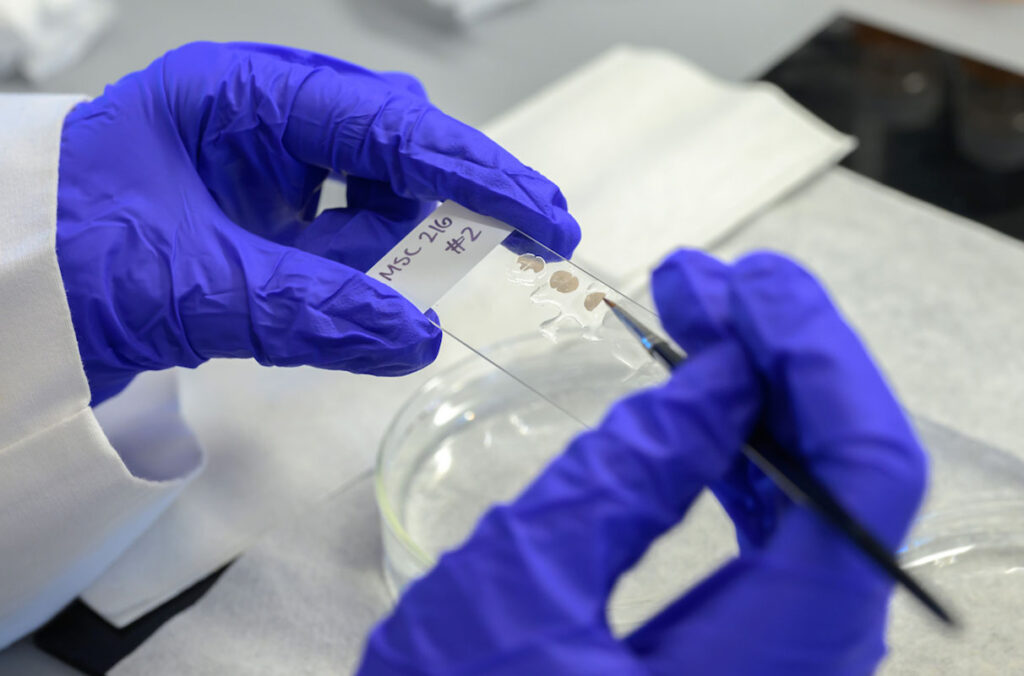
Schultz also will work with Rayapati to test plant samples for leafroll viruses using lab-based analytical methods – the only ways to know for sure that a plant is infected. The Northwest Grape Foundation Service, which provides plant material to the industry, uses these and other techniques to insure vineyard stock is virus-free.
“Connecting industry professionals with WSU students is one of the ways we make sure our graduates have the practical experience they need to be leaders in the industry,” said Rayapati.
“It’s very important for students to have field experience in order to understand how to maintain healthy vineyards for producing quality grapes. And this means working with not only scientists but growers such as Julia as well,” Rayapati said.
Schultz has received undergraduate research grant money that will enable him to continue his work. Rayapati said Schultz will investigate virus-infection rates in other vineyards.
“I love wine, I love being outdoors, I love living in the country,” said Schultz. “I wanted to be part of a team, to have a hand in putting something together, in getting the job done. And that’s just what we’re doing.”