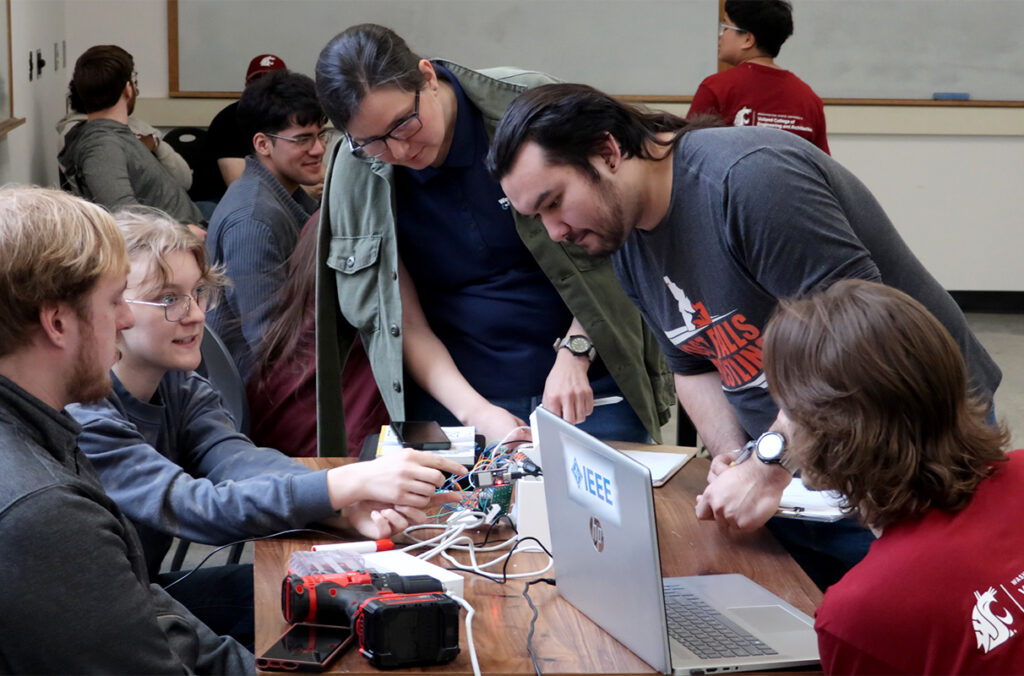
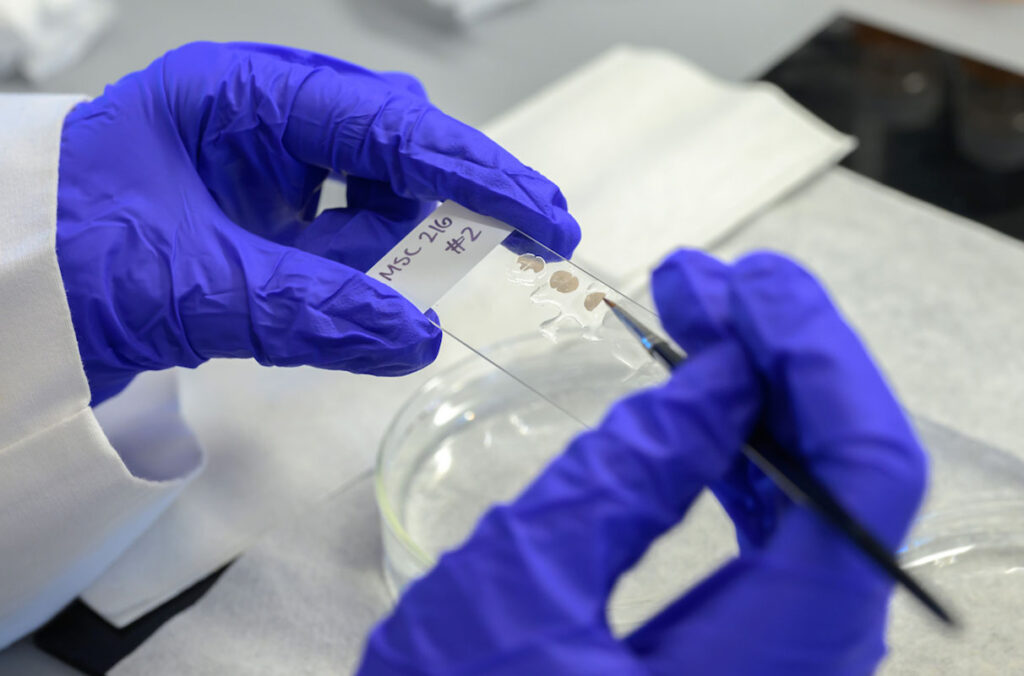
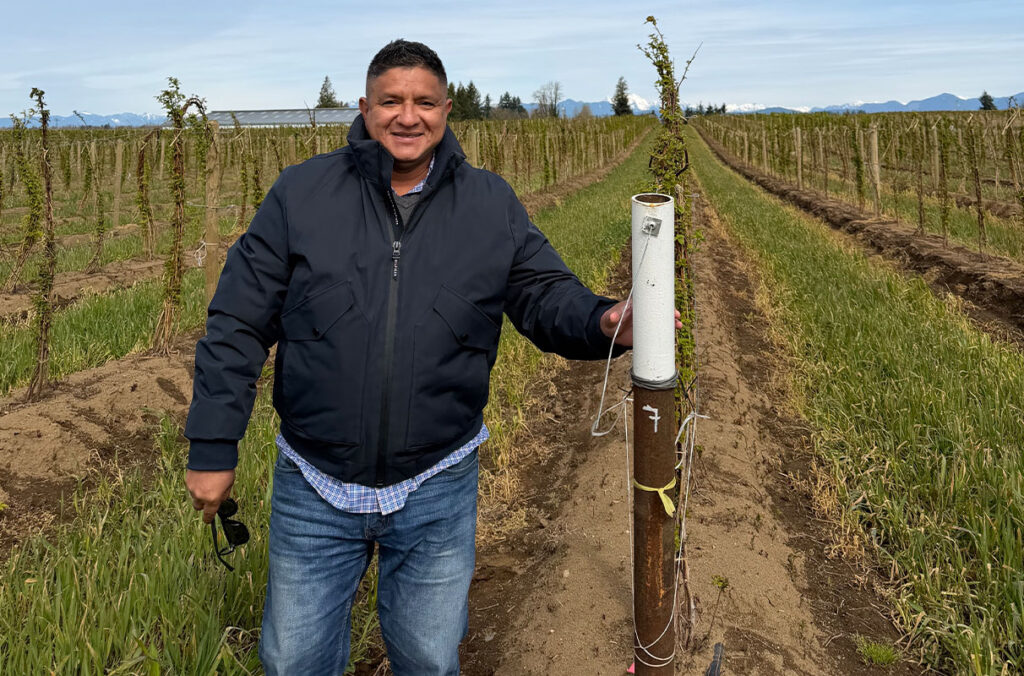
After 30 years of research and education, Solutions to Environmental and Economic Problems (STEEP) has earned a national reputation as a landmark program in conservation practice development for the Pacific Northwest.
The program is a cooperative effort among Washington State University, Oregon State University and the University of Idaho.
“Adoption of conservation tillage would not have been possible without the tremendous effort by scientists funded by STEEP. This was probably one of the most cost-effective federal programs. We achieved conservation of our natural resources, while protecting farm income, for less than 20 cents per acre per year,” Extension specialist Hans Kok said. Kok co-authored a formal assessment of the STEEP’s inmpact.
The support of farmer groups such as commodity associations was instrumental in securing continued funding for STEEP over the years.
Significant STEEP accomplishments include:
- The demonstrated yield advantage and improved use efficiency of band placement over broadcast fertilizer in reduced- and no-tillage systems. This knowledge later influenced the design of drill openers that allowed simultaneous placement of seed and fertilizer.
- Development of the shank-and-seed concept, which was the forerunner of the two-pass, low-cost, reduced tillage seeding system for winter wheat used widely by Palouse growers since the 1990s.
- Indentification of the “green bridge” of weeds and volunteer cereals as a host in untilled soil for Rhizoctonia root rot. Until discovered, this unexplained effect limited progress with no-till for spring-seeded wheat and barley. Once understood, the green bridge effect could be averted in no-till through adjustment of various practices, including the application of herbicides.
To learn more about the project, visit https://pnwsteep.wsu.edu.