RICHLAND Two experts on Russia’s Mayak Plant, a nuclear facility similar to Hanford, are speaking at 4:30 p.m. April 16 at the Battelle Auditorium in Richland.
“Russia’s Hanford: What We Have Learned and What We May Learn From Health Effects Studies of Workers and the Public associated with the Russian Mayak Plant,” will be presented by Jack Fix with Dade Moeller & Associates and Bruce Napier of Pacific Northwest National Laboratory
This is the Herbert M. Parker Foundation spring lecture, co-sponsored by WSU Tri-Cities. Admission is free and open to the public. For driving directions, visit https://bsa.pnl.gov/auditor.htm.
The Herbert M. Parker Foundation for education in the radiological sciences was created in 1987. It was incorporated into the WSU in 1997 as an endowment based at WSU Tri-Cities. For more information on the Parker Foundation, call 509-372-7264 or visit www.tricity.wsu.edu/parker.
Fix and Napier have been involved with Hanford studies and, with their Russian and U.S. colleagues, involved with ongoing health effect research for Mayak. The speakers will describe the operations and facilities at Mayak and discuss the status of health effects studies on the public and workers.
“Nuclear weapon development activities conducted at the Mayak Production Association nuclear facilities in Russia are similar in purpose and scale to those conducted historically at Hanford,” Napier said. “Health effect studies on workers and the public have been performed and continue to be conducted for each of these facilities.”
“These studies are directly related to work begun by Herbert M. Parker and his colleagues to recognize occupational hazards at Hanford and to protect the workers and the public in the earliest years of operations,” Fix said.
The lecture is followed by a free technical symposium at 8 a.m. April 17 in the Battelle Auditorium, presented in conjunction with the Columbia Chapter of Health Physics Society. A series of lectures will be given by several U.S. members of the Mayak Study Project including Barry Fountos, DOE Washington D.C. Russian Studies Program Manager, Scott Miller, University of Utah, Tony James, Director of the DOE Transuranic and Uranium Registry at Washington State University, Bob Scherpelz and Dan Strom, Pacific Northwest National Laboratory.
Next Story

WSU Global Campus student ambassador shines during #CougsGive Day
Aunjelique Andersen, a fully online student pursuing her degree in Media Innovation, ranked first on the #CougsGive Ambassador Leaderboard, inspiring 54 gifts through her outreach.
Recent News

WSU SURCA undergraduate researchers earn 65 awards
Seventy‑three students who participated in the Showcase for Undergraduate Research and Creative Activities 2026 were awarded prizes totaling $14,000.
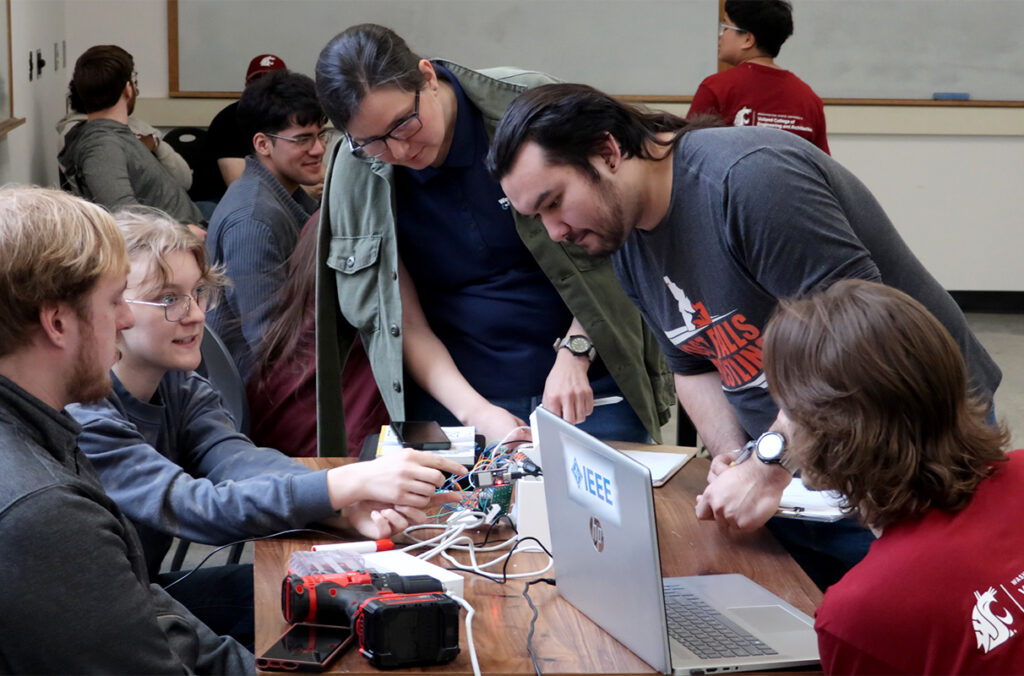
Inside WSU’s student-run hackathons
Hackathons have become a defining space for student innovation, with two taking center stage this year.
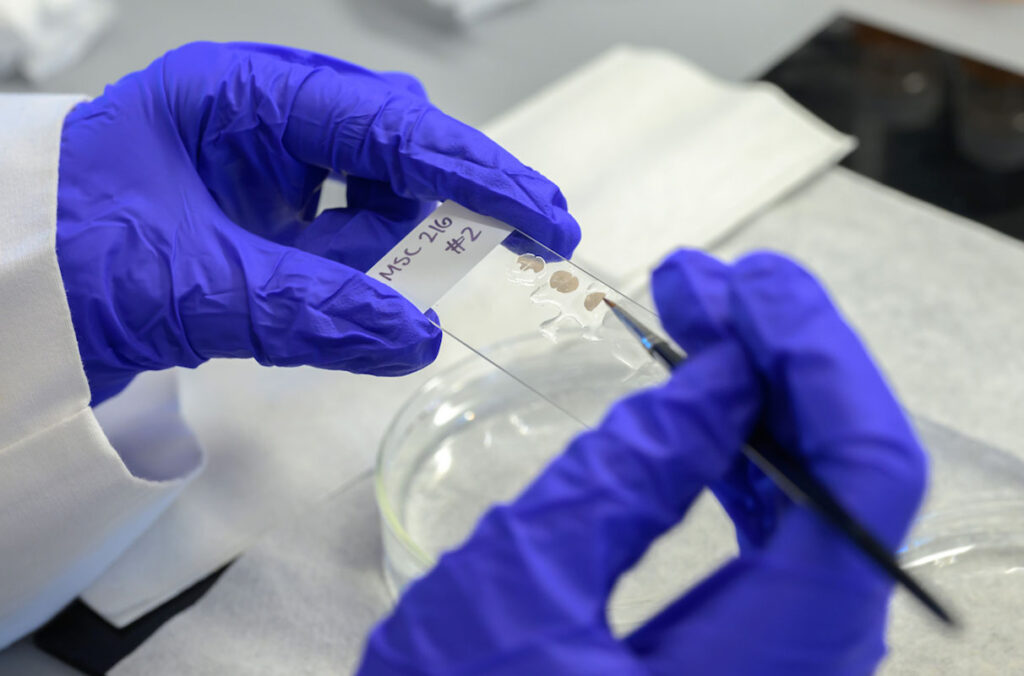
Undergrad researchers drive discovery in the College of Veterinary Medicine
Hands‑on research opportunities in the college are enabling students to contribute directly to major discoveries, including a recent Nature study.
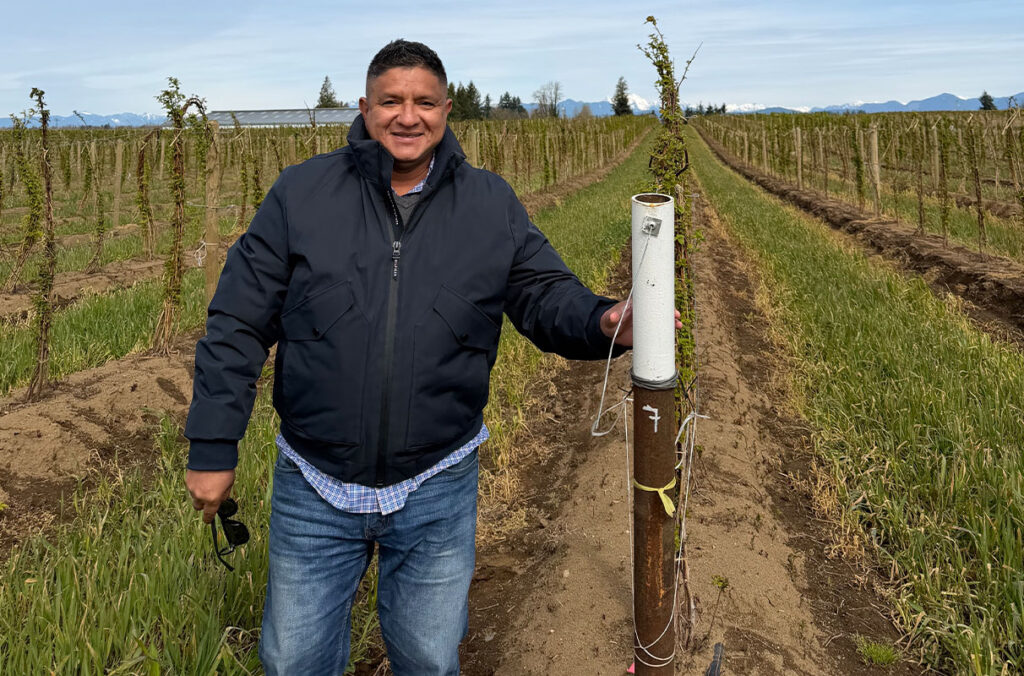
New WSU raspberry breeder to continue career goal of helping farmers
Germán Sandoya-Miranda aims to develop improved varieties and work closely with growers to help Washington farmers boost yields and adapt to evolving challenges.
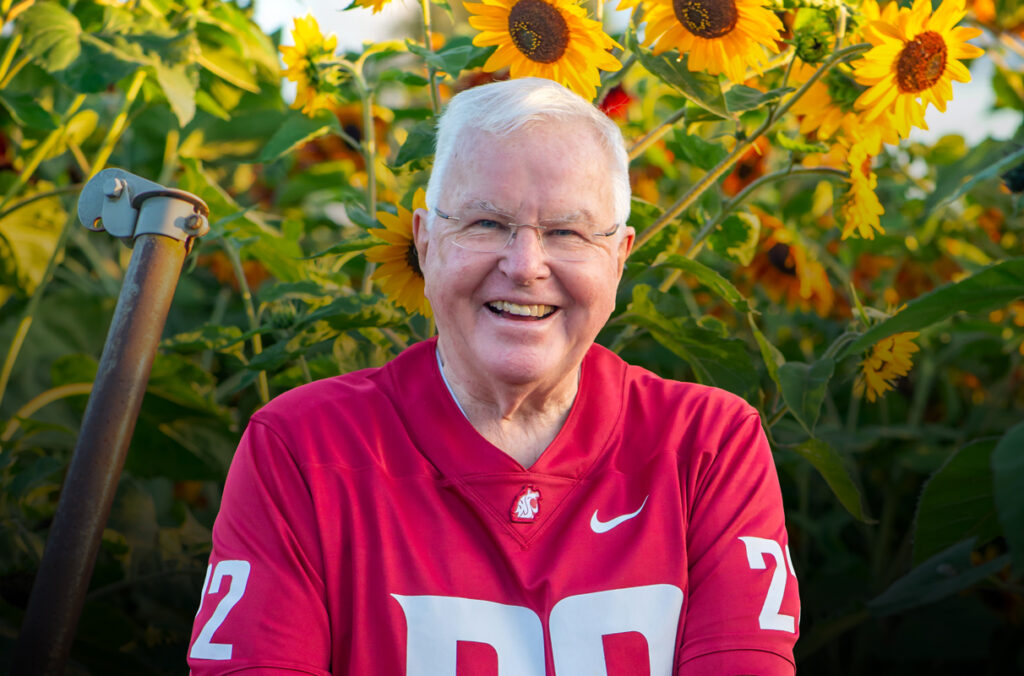
WSU Regent, longtime civic leader Sam Hunt dies following battle with leukemia
Hunt, a 1967 WSU graduate, devoted more than five decades to public service, education, and civic leadership across Washington.
WSU recognized for support of first-generation students
The university’s elevation to FirstGen Forward Network Champion reflects growing enrollment, improved retention, and expanded support programs helping first-generation students succeed.