VANCOUVER, Wash. Students entering grades 7 to 12 will have the chance to study topics from computer animation to journalism to biomedical science and more this summer at Washington State University Vancouver. The university’s Center for Youth Workforce Preparation is offering the Summer PaCE Academy, Aug. 4-8, 8:30 a.m. to 3 p.m.
“We want to give local students a taste of college through an informal education experience,” said center director Mike Holroyd. “The sessions will promote critical thinking, inquiry, exploration and fun.”
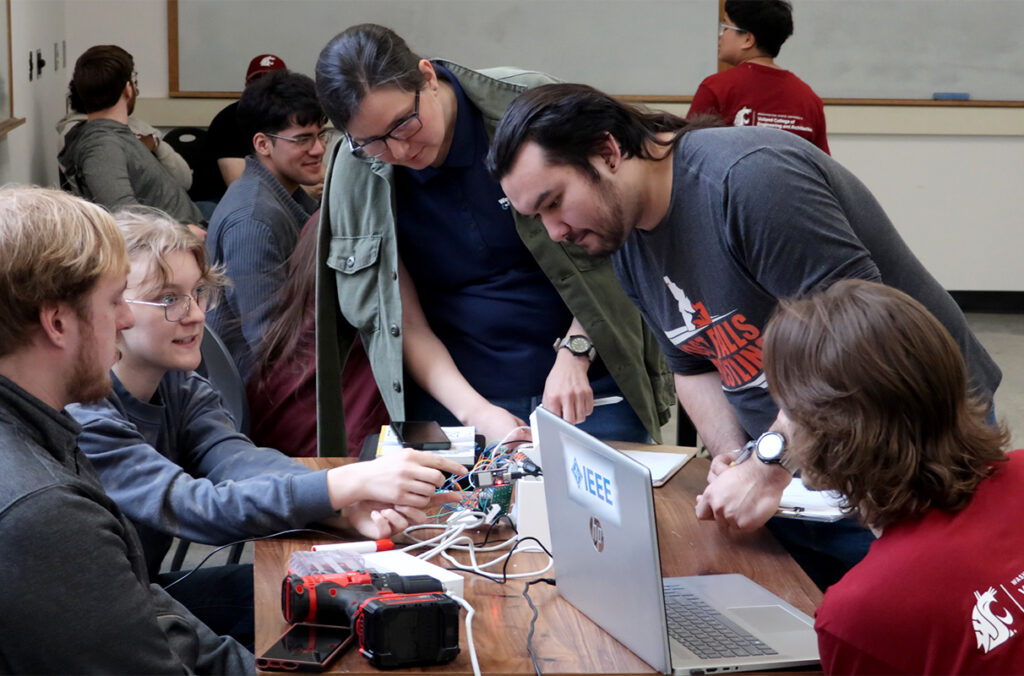
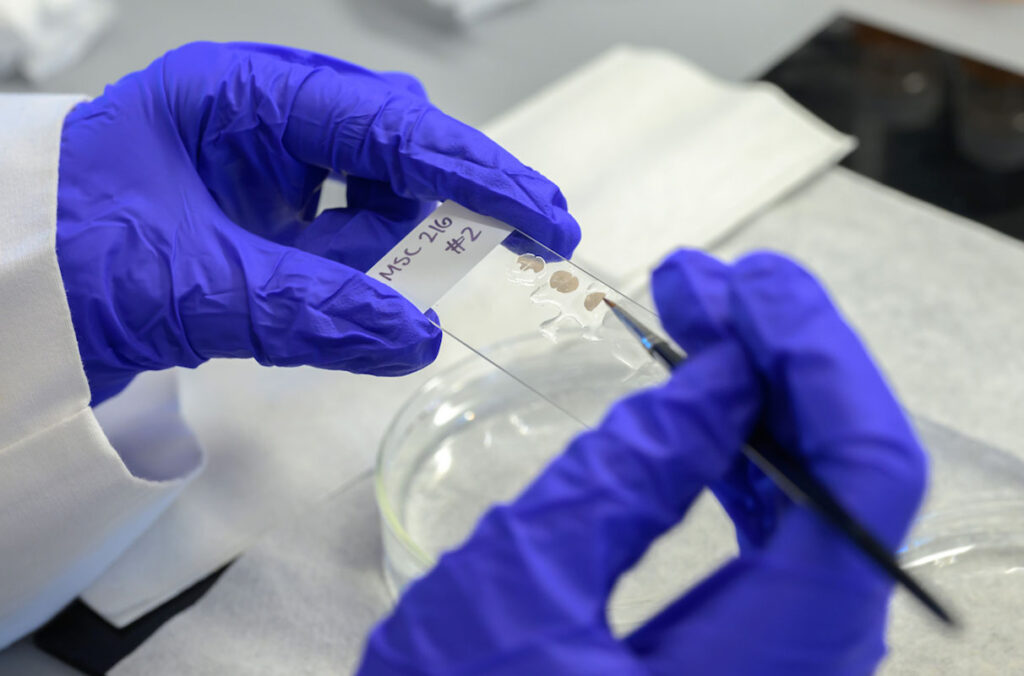
Eight morning “Tracks,” taught by university staff, faculty and community experts, include Introduction to Robotics; Water, Forests, Land & Wildlife; Journalism and Media, Biomedical Science; Your Brain and Body; and Surgical Nursing. Separate sessions are held for middle and high school students.
Afternoon sessions are combined ages, with topics ranging from drama to business to fine arts.
The cost of the program is $90, with limited scholarships are available. Space is limited. To register or for more information, visit https://www.vancouver.wsu.edu/pace or call 360-546-9222. The program was piloted in summer 2006 as a one-day event, but was successfully expanded to a full week in 2007.
WSU Vancouver is located at 14204 N.E. Salmon Creek Ave., east of the 134th Street exit from either I-5 or I-205, or via C-Tran bus service. We offer 16 bachelor’s degrees, nine master’s degrees, one doctorate degree and more than 36 fields of study. Visit us on the Web at https://www.vancouver.wsu.edu.
Photo caption: Students learn digital art from Dene Grigar during the 2007 WSU Vancouver summer PaCE Academy.