Editor’s note: News media wishing to schedule an interview in the Seattle area with Dr. Cook during her available hours March 5 or 6 can do so through the contacts listed above. A brief online video featuring Professor Cook discussing how advanced artificial intelligence may one day enhance quality of life and improve home safety and security is available at (https://www.theinnovators.wsu.edu/mar6-2008.aspx).
SEATTLE, Wash. As it expands throughout our everyday lives, artificial intelligence is growing increasingly smarter perhaps ultimately smart enough to provide an aging generation of Americans the opportunity to live out their lives more independently and securely than any generation before them.
In less than 35 years, nearly a quarter of the U.S. population will be 65 years or older, and many of those elderly will be physically or cognitively restricted. Providing this growing population with the assistance it needs to meet the challenges of a changing world will require innovative approaches founded in the advanced technologies of artificial intelligence and machine learning.
A leader in designing many of these new technologies is Diane Cook, Huie-Rogers, chair and Professor of Electrical Engineering and Computer Science at Washington State University, where she and her colleagues currently are creating smart environments for hospitals, apartments, airports, workplaces, and other common settings that can reason as intelligent agents to enhance health care, resource management, security, and convenience.
As part of the WSU lecture series, “The Innovators,” she will discuss her work and her thoughts on what it may mean for the future in an upcoming presentation, “Smart Environments: Artificial Intelligence at Home and Beyond” beginning at 11:30 a.m. March 6 at Seattle’s Rainier Club, 820 Fourth Avenue, Seattle.
Smart environments are already being used in the diagnosis, treatment, and management of disease. They’re helping people optimize water and energy consumption and providing a variety of safety functions. Research into smart environments crosses many disciplines, including robotics, pervasive and mobile computing, middleware, agent-based software, sensor networks, and multimedia computing.
Based on the types of experiments and software Prof. Cook is developing at WSU, your home could someday be programmed to tell you when you’re running low on sugar whether in your cupboard or in your bloodstream. It could also turn off a forgotten stovetop for you or warm up your favorite chair.
Prof. Cook believes smart environments will become increasingly pervasive in our lives.
“They will automate our living spaces, increase productivity in our workplaces, and customize our shopping experiences,” she said.
Initiated in 2005, the ongoing and thought-provoking Seattle lecture series, “The Innovators,” is designed to preview the future through the eyes of leading WSU faculty experts.
Next Story
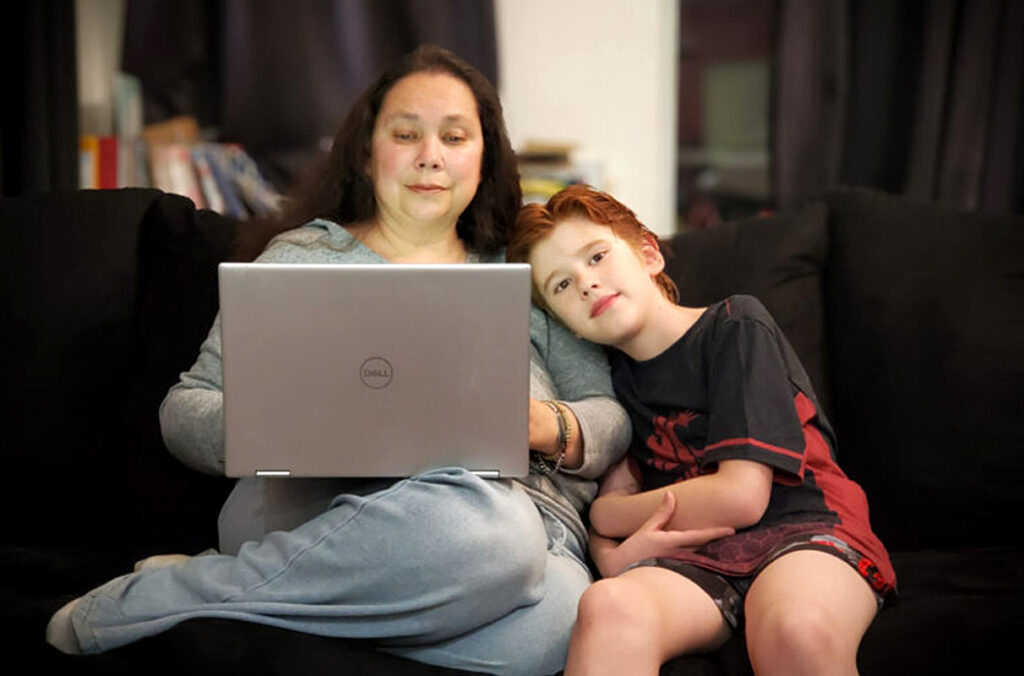
WSU Global Campus student ambassador shines during #CougsGive Day
Aunjelique Andersen, a fully online student pursuing her degree in Media Innovation, ranked first on the #CougsGive Ambassador Leaderboard, inspiring 54 gifts through her outreach.
Recent News

WSU SURCA undergraduate researchers earn 65 awards
Seventy‑three students who participated in the Showcase for Undergraduate Research and Creative Activities 2026 were awarded prizes totaling $14,000.
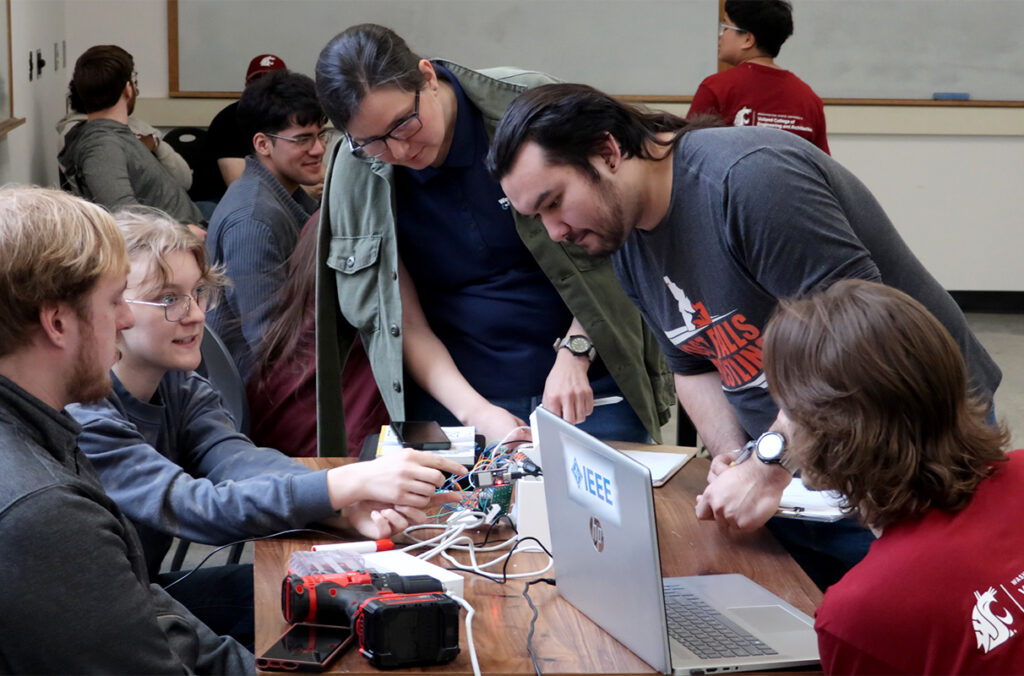
Inside WSU’s student-run hackathons
Hackathons have become a defining space for student innovation, with two taking center stage this year.
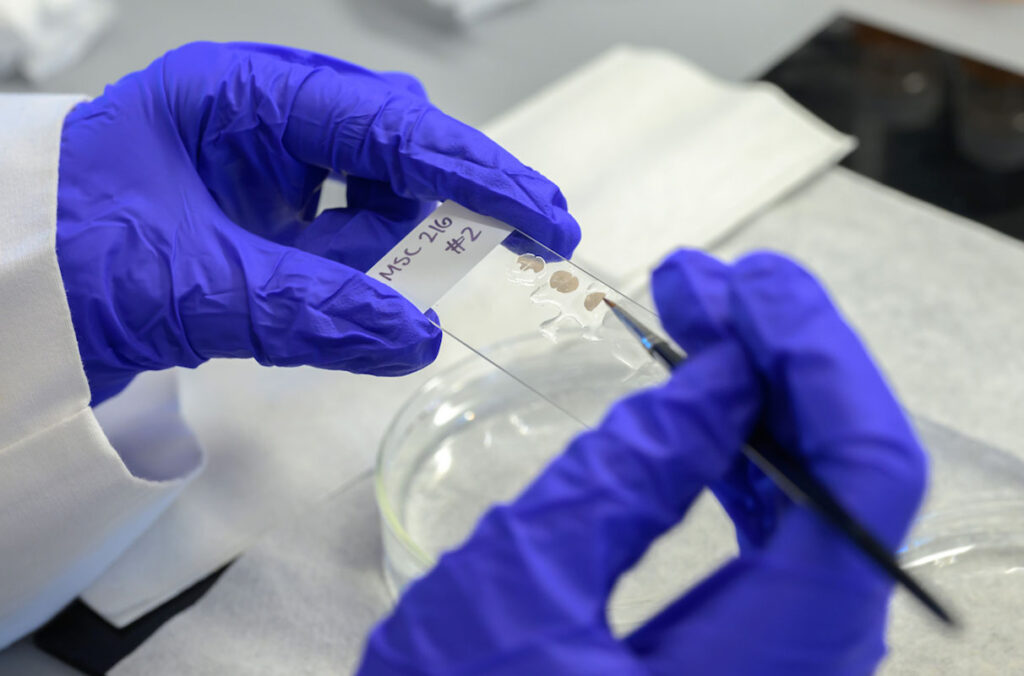
Undergrad researchers drive discovery in the College of Veterinary Medicine
Hands‑on research opportunities in the college are enabling students to contribute directly to major discoveries, including a recent Nature study.
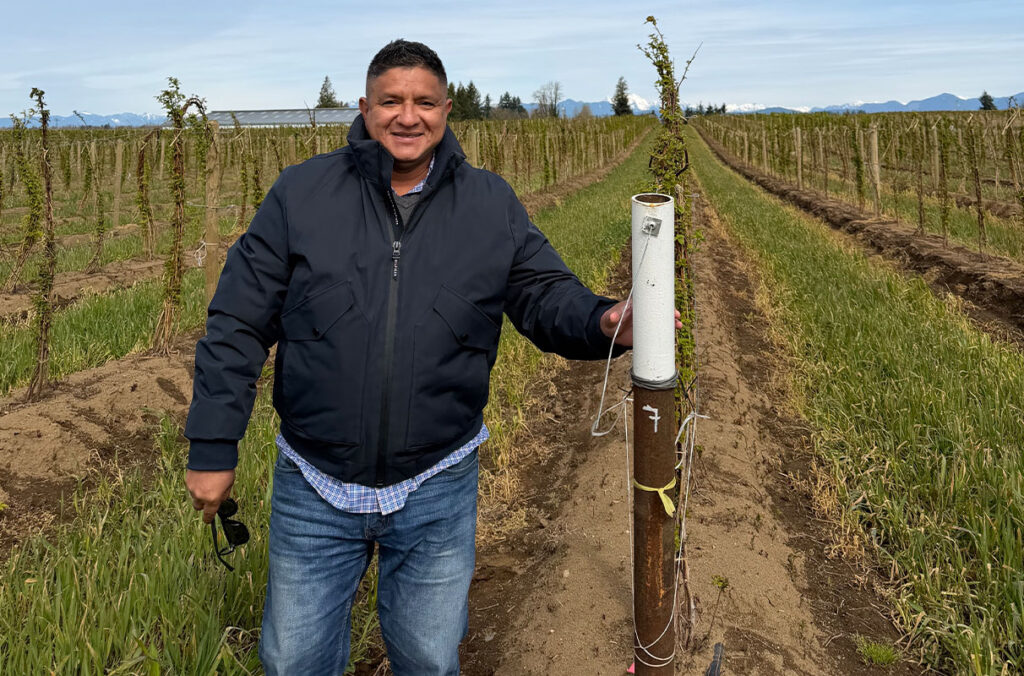
New WSU raspberry breeder to continue career goal of helping farmers
Germán Sandoya-Miranda aims to develop improved varieties and work closely with growers to help Washington farmers boost yields and adapt to evolving challenges.
WSU Regent, longtime civic leader Sam Hunt dies following battle with leukemia
Hunt, a 1967 WSU graduate, devoted more than five decades to public service, education, and civic leadership across Washington.
WSU recognized for support of first-generation students
The university’s elevation to FirstGen Forward Network Champion reflects growing enrollment, improved retention, and expanded support programs helping first-generation students succeed.