Undergraduate research projects from engineering and sciences will be on display Thursday, August 2, in the Communications Addition on the Washington State University campus. The event will be from 10 a.m. to 1 p.m. and is open to the public.
Approximately 40 students will be presenting work that they have done over the summer in areas such as computer science, physics, atmospheric research, and materials science and engineering. Each of the students worked closely with WSU professors and graduate students as they did their research.
Many of the students are participants in National Science Foundation (NSF)-sponsored programs, such as Research Experience for Undergraduates. They aim to give undergraduates experience in research laboratories. The students are from WSU and from across the country, including Florida, California, Montana, and Puerto Rico.
Getting students into the research lab provides valuable experience in solving real-world research and design problems that students don’t necessarily get in the classroom, says Dave Bahr, associate professor in the School of Mechanical and Materials Engineering in the College of Engineering and Architecture. Bahr also serves as WSU’s director of undergraduate research, a unit of the Office of Undergraduate Education.
Students who participate in research during their baccalaureate years are also much more likely to go on to graduate school as well as enter career paths that suit their tastes. Doing on campus research lets students see “what research is all about,” and helps them decide on career choices down the road, he said.
Bahr has directed an REU program in materials science and engineering for nine years. REU programs are primarily sponsored by the NSF. He cites that more than 80 percent of students have gone on to graduate school, and 49 percent of those were women or minority students. Among the projects on display during the poster session:
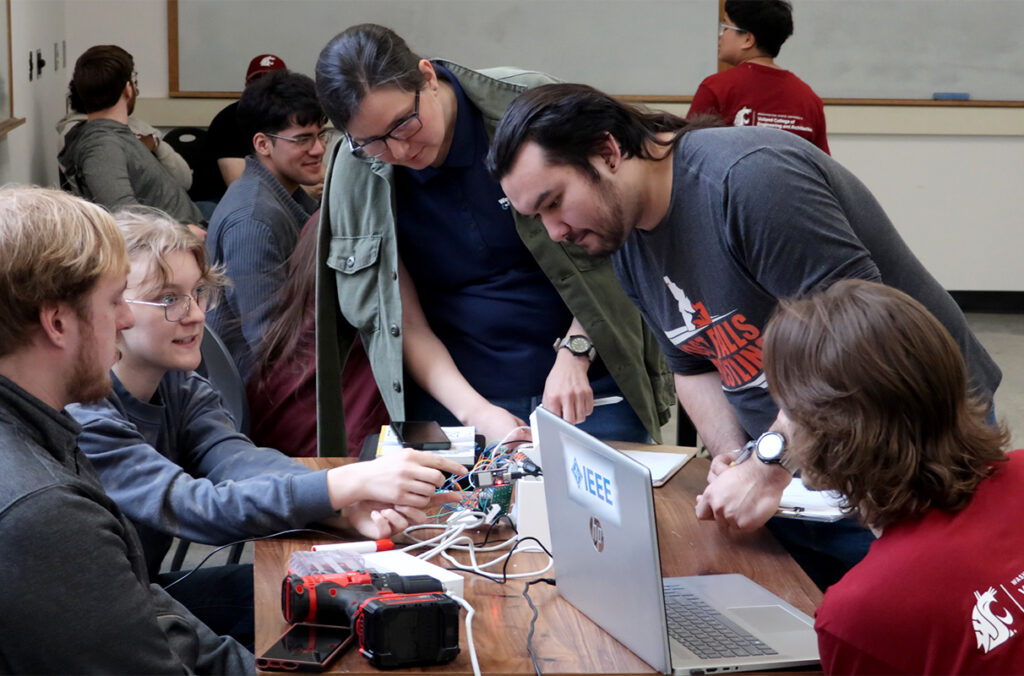
– In computer science, students designed a doorframe sensor system that would allow them to determine the height and profile of individuals that move through the doorway.
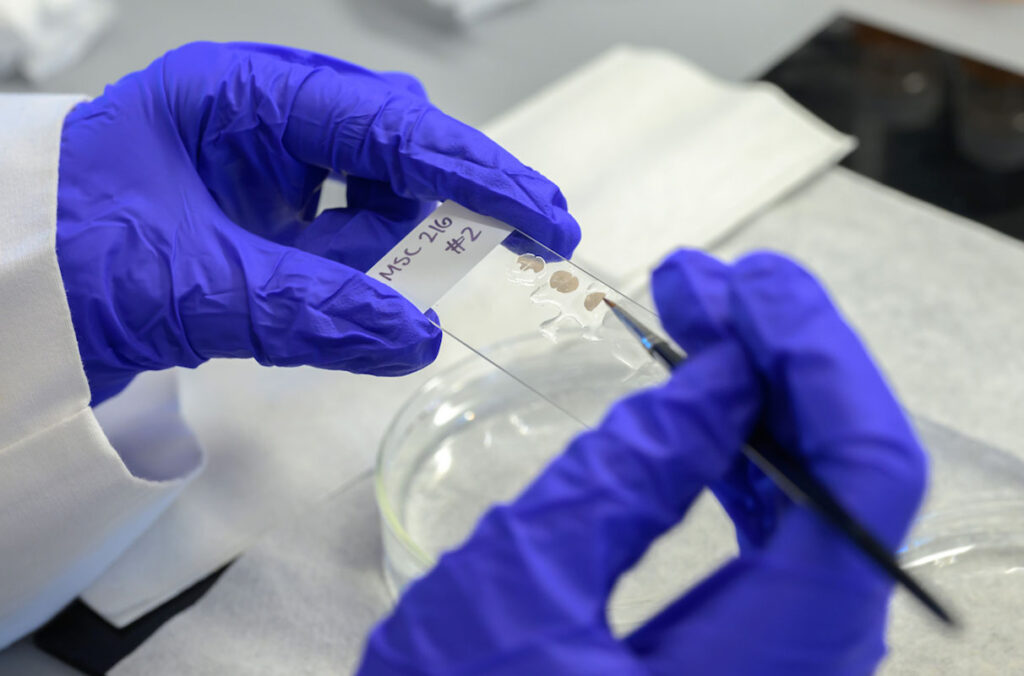
– In materials science and engineering students measured the mechanical properties of a wide range of materials, from contact lenses and corneas to new single crystals for use in radiation detectors.
– Students learned state-of-the-art methods for imaging of tiny molecules. Better methods of looking at materials at the nano-scale are of increasing interest in numerous high tech industries to better understand the characteristics and behavior of materials.
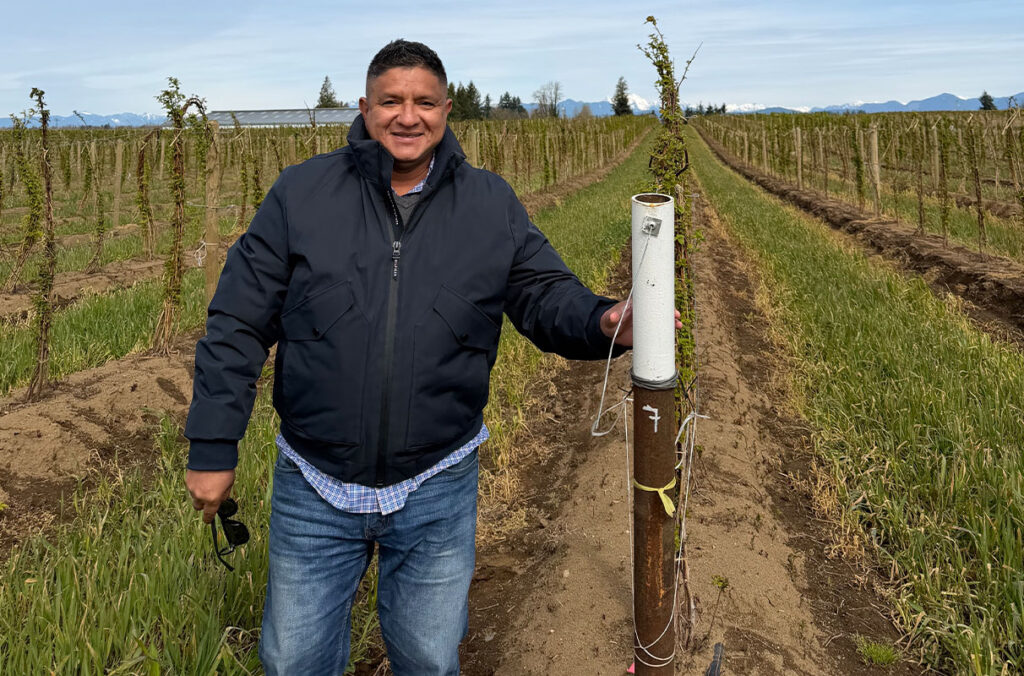
– Working with researchers in the Laboratory for Atmospheric Research, students collected data in the field, did analysis, computer modeling, and programming on problems related to air quality and pollution related to field burning and the I-5 corridor.
At the August 2 display, the students will present posters that explain their work, and be on hand to discuss their research. Many of their WSU mentor professors will also be in attendance.