RICHLAND, Wash. Two groups of native plants are going in the ground this morning to see which conditions are better for successful planting in a sandy area that needs to be stabilized.
“We want the public to be aware that native plants can be used to solve landscape problems and that they provide beauty and efficiency,” said Steven O. Link, a Washington State University Tri-Cities research professor specializing in biology and native plants.
The research project is to find out whether the young plants can be planted in late spring straight from the greenhouse, or whether they first need to be “hardened” to outdoor conditions, Link said. The project received a $3,000 grant.
“We will conduct an experiment using shade cloth to gradually acclimate one half of the plants to field conditions,” Link said. “The other half of the plants will be planted without any shading. We will use five plots for each of the two treatments.”
The research is being conducted in the Horn Rapids development on the outskirts of
The native plants research team includes Sally Simmons, WSU Tri-Cities greenhouse manager and biology professor; Carla Hough, WSU Tri-Cities graduate student; Barbara Harper, research scientist with the Confederated Tribes of the Umatilla Indian Reservation; and Janice Jones and Judith Moses, technicians with the Confederated Tribes of the Umatilla Indian Reservation’s Department of Science and Engineering.
Directions (call 430-8209 if lost):
Take the Highway 240 bypass north.
Turn left onto Hwy 240 toward Vantage and Horn Rapids.
Turn left into the Horn Rapids development/golf course.
Turn right at the stop sign to enter the residential area.
Turn left onto River Valley Road, go up the hill.
Follow River Valley Road to the end.
You’ll enter a new construction area.
Look for the entrance sign and waterfall to “The Bluffs.”
Turn right onto
Next Story

WSU Global Campus student ambassador shines during #CougsGive Day
Aunjelique Andersen, a fully online student pursuing her degree in Media Innovation, ranked first on the #CougsGive Ambassador Leaderboard, inspiring 54 gifts through her outreach.
Recent News

WSU SURCA undergraduate researchers earn 65 awards
Seventy‑three students who participated in the Showcase for Undergraduate Research and Creative Activities 2026 were awarded prizes totaling $14,000.
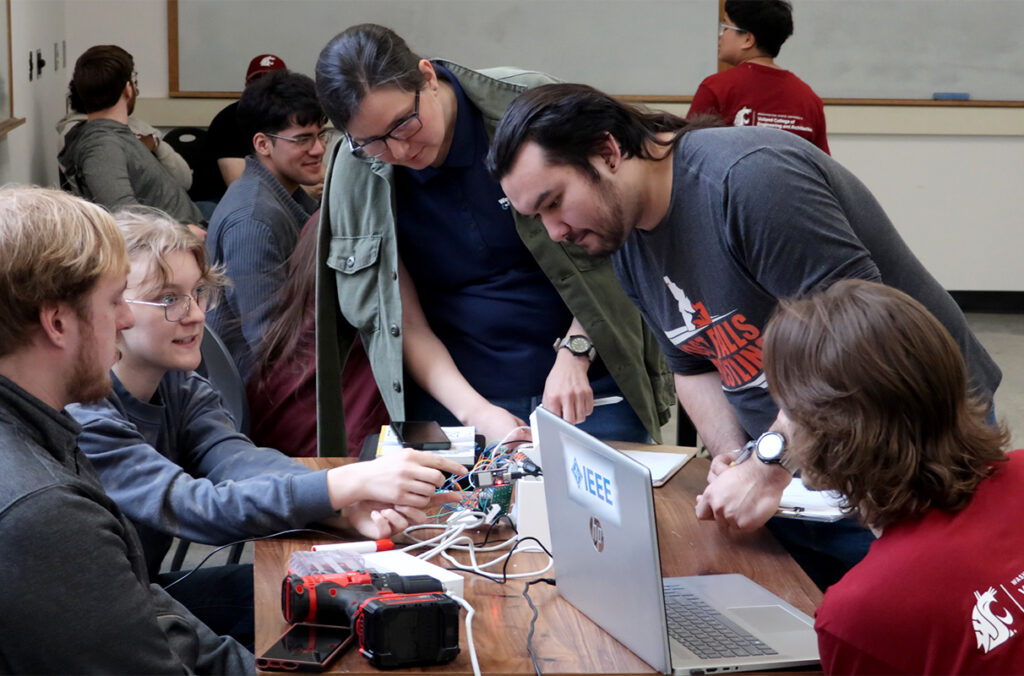
Inside WSU’s student-run hackathons
Hackathons have become a defining space for student innovation, with two taking center stage this year.
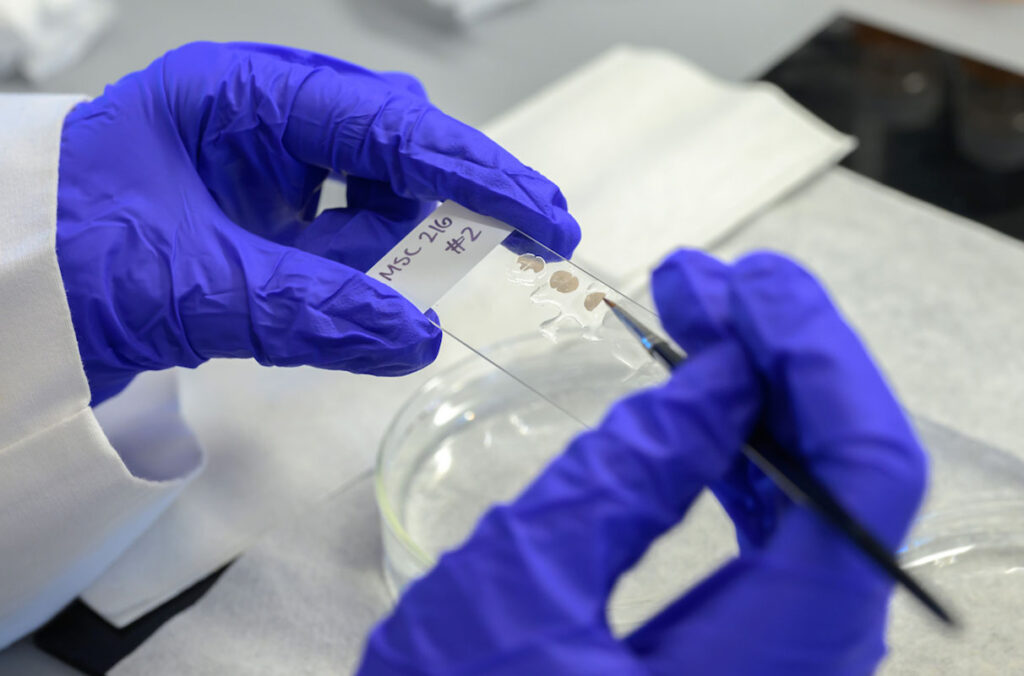
Undergrad researchers drive discovery in the College of Veterinary Medicine
Hands‑on research opportunities in the college are enabling students to contribute directly to major discoveries, including a recent Nature study.
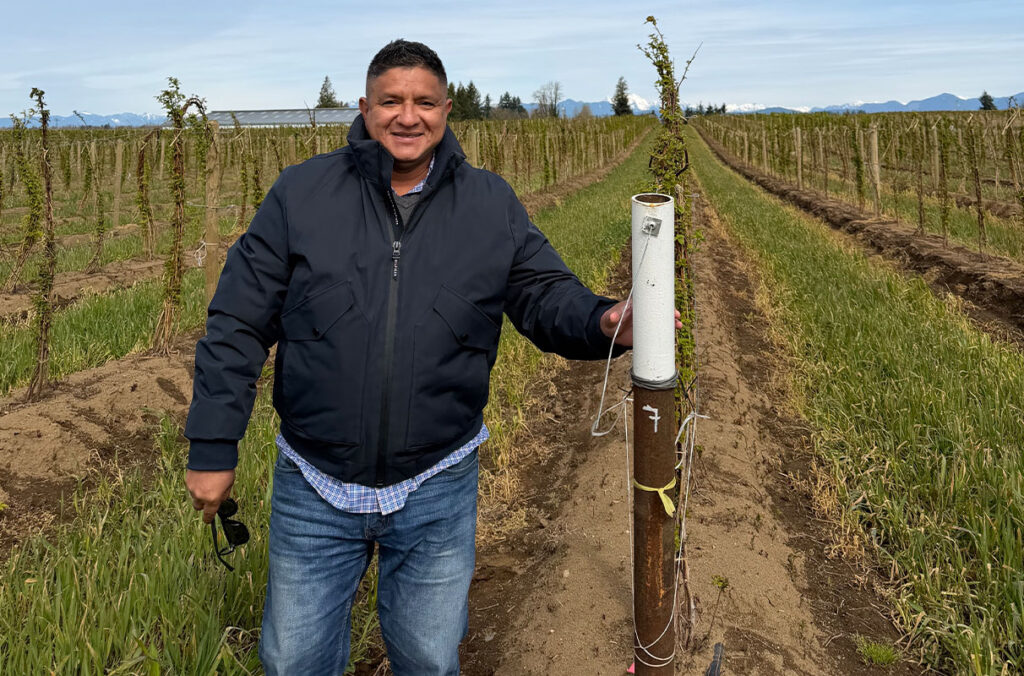
New WSU raspberry breeder to continue career goal of helping farmers
Germán Sandoya-Miranda aims to develop improved varieties and work closely with growers to help Washington farmers boost yields and adapt to evolving challenges.
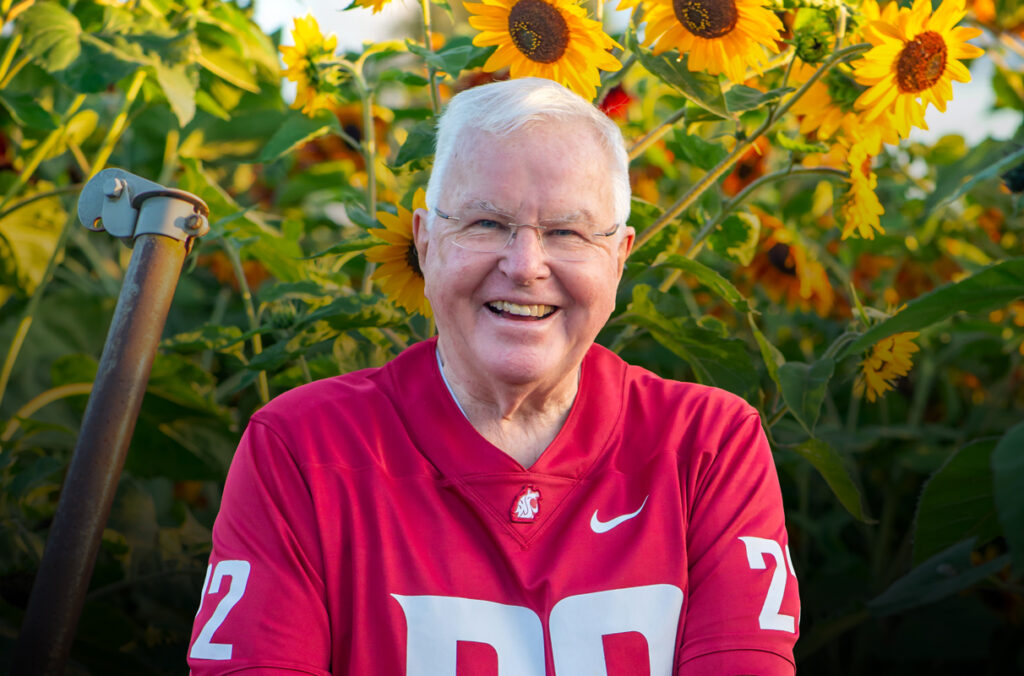
WSU Regent, longtime civic leader Sam Hunt dies following battle with leukemia
Hunt, a 1967 WSU graduate, devoted more than five decades to public service, education, and civic leadership across Washington.
WSU recognized for support of first-generation students
The university’s elevation to FirstGen Forward Network Champion reflects growing enrollment, improved retention, and expanded support programs helping first-generation students succeed.