PULLMAN,
Michael Skinner, Washington State University molecular biologist, said this groundbreaking discovery could lead to a paradigm shift in our understanding of disease that could affect medicine, toxicologyeven evolution.
Skinner will discuss his research in “Epigenetics, Heredity, and the Environment: The Ghost in Your Genes” March 22 at the Rainier Club, 820 4th Ave., Cutter Room, Second Floor, in Seattle. Tickets are $30 per person and include lunch from noon to 1:30 p.m., with registration to begin at 11:30 a.m. To reserve a spot, visit https://www.wsu.edu/theinnovators/. Registration will continue until capacity is reached.
WSU researchers found that environmental toxins can alter the activity of an animal’s genes in a way that is transmitted through at least four generations after the exposure. Their discovery suggests that toxins may play a role in heritable diseases that were previously thought to be caused solely by genetic mutations. It also hints at a role for environmental impacts during evolution.
“It’s a new way to think about disease,” said Skinner, director of the
Skinner’s research found that when pregnant rats were exposed to environmental toxins to gauge the effect on testis development, the immediate male offspring as well as the next two generations of male pups had lowered sperm counts. As the animals aged a host of diseases from cancer to immune dysfunction developed for all generations examined.
These epigenetic changes, or changes that occur due to chemical modification of the DNA, altered the function of the genes similar to flipping a light switch. The implications for human health include the possibility that events in a person’s lifetimesuch as exposure to toxicants, stress, or diseasecould affect that person’s descendants several generations later.
Skinner’s research grabbed worldwide attention when his findings were published in the journal Science last June. The January 2006 issue of Discover included his work on its list of the “100 top science stories of 2005.”
Next Story
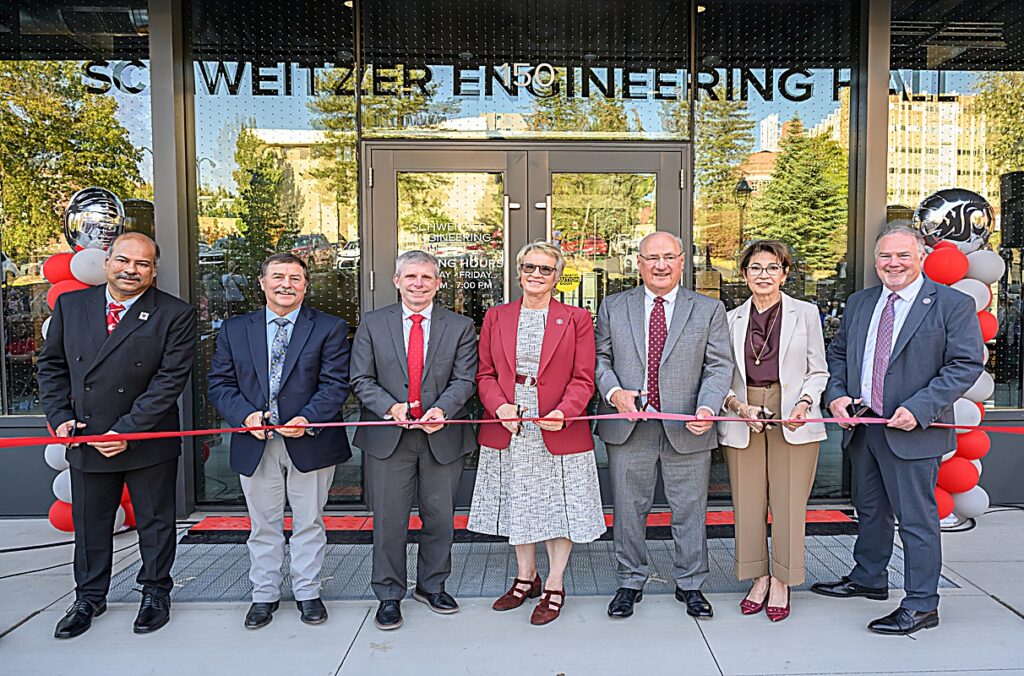
Schweitzer Engineering Hall dedicated during community celebration
The opening of the new hub for Voiland College of Engineering and Architecture is celebrated with a ceremonial ribbon-cutting and chorus of gratitude.
Recent News

WSU team develops potential treatment for endometriosis
Therapy uses nanoparticle to deliver drug directly to disease site, and researchers are hoping to move toward human trials.

Regents approve President Cantwell’s goals for FY27, rename Champions Center
Members of the WSU Board of Regents on Friday approved President Betsy Cantwell’s goals for fiscal year 2027 as part of a suite of actions at the governing body’s first meeting of the fall semester.

Ferdinand’s Lane closure planned for Sept. 21
Avista crews will close Ferdinand’s Lane between Stadium Way and Fairway Lane beginning at 9 a.m. Monday, Sept. 21, for utility work. The Pullman campus road closure is estimated to last two to three hours.
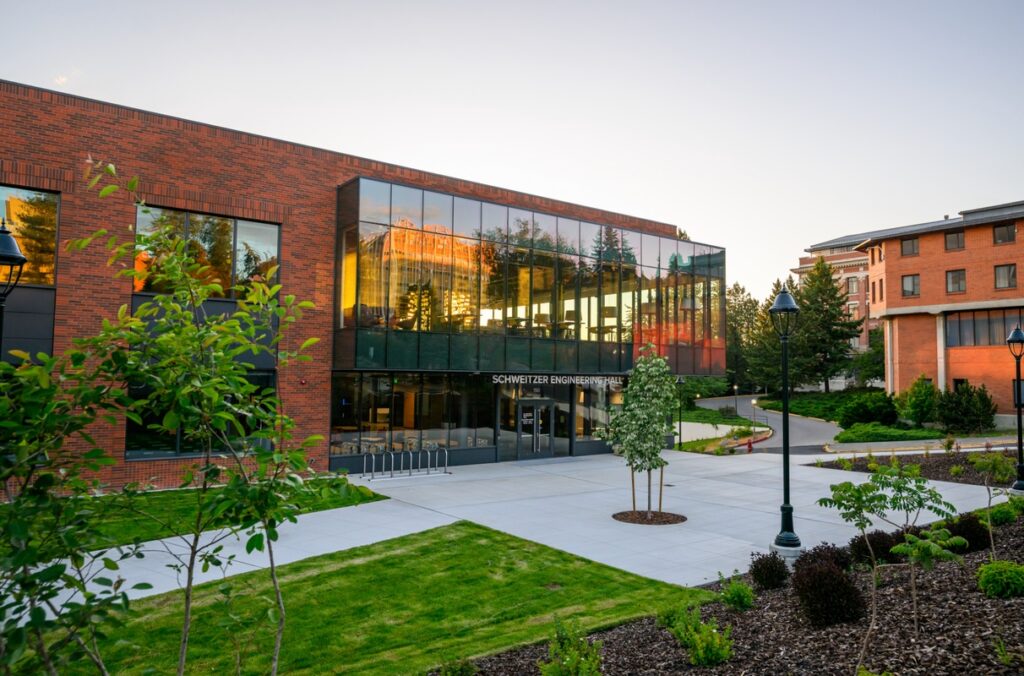
WSU celebrates Schweitzer Engineering Hall opening
The $80 million facility serves as the first major milestone in WSU’s broader engineering and design district modernization effort.

A new-look WSU Board of Regents
This month’s WSU Board of Regents meeting will be the first for three incoming members: Fé LopezGaetke, Mary Nam, and Student Regent Nicole Anthony.
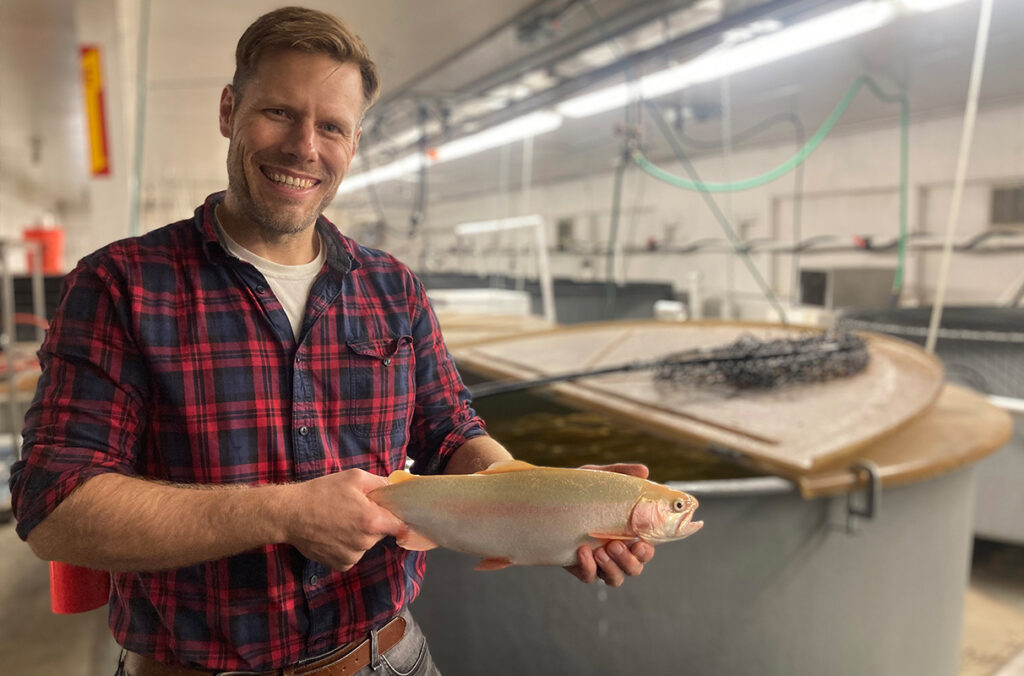
New WSU-led research aims to transform U.S. fish farming
A new, Washington State University-led approach to fish breeding could help U.S. aquaculture grow safely and profitably, with support from a Foundation for Food & Agriculture Research (FFAR) Growing Impact Award and matching funds from WSU and Troutlodge. The three institutions are providing a combined $1,566,716 to WSU researchers who are developing a practical way to produce healthy, sterile […]