PULLMAN,
Graduate student Amy Canfield will lecture on “A New Look at Horror: Domestic Violence and Stephen King During the Feminist Backlash,” March 9 from noon to 1 p.m. in the
“Without an understanding of the pervasiveness of domestic violence and how it impacted women’s daily lives, students cannot understand the social trends of the time, especially as they impacted women. Popular culture, in many ways, reflects larger themes in society, and Stephen King’s novels demonstrate the growing public awareness of domestic violence as well as the fact that the feminist backlash of the late 1980s did not completely overwhelm the feminist movement,” Canfield said.
Laurie Carlson (Ph.D. ’04, history), a 2003 winner of WSU’s “Woman of Distinction” award, will lecture March 22. Carlson’s talk, “Sunlight & Women’s Bodies: The Social History of Health” can be heard in CUE 518 at 7 p.m.
“I want people to see how taking a historical perspective on sunlight and women’s bodies can improve their own health today,” said Carlson. “Women should come away from the talk with strategies for getting more sunlight, effectively making their own bodies healthier and stronger.”
Brigit Farley, associate professor of history at WSU Tri-Cities, will lecture at 12:10 p.m. on March 29 in CUE 518. Her talk is titled “Bernadette Devlin McAlliskey and the Women of the Northern Irish Troubles, 1969Present.”
“I hope audiences will come away with a basic understanding of the causes of the CatholicProtestant ‘troubles’ in
On the importance of Women’s History Month, Canfield said “It garners attention for the important roles women have played throughout history, in both the public and private spheres. It makes people reevaluate interpretations of history, reconsider the impact women have had on larger historical trends and rethink how women’s lives both shaped history and were shaped by current events.”
“Military and political history dominate today’s consciousness, but Women’s History Month allows us to focus on social history, which actually affects our lives much more,” Carlson said.
“I invariably find that women’s experience yields an unusual angle from which to view a given event or period,” Farley said. “I don’t need convincing that women’s history is a great thing. I think that recent elections in South America and
Next Story
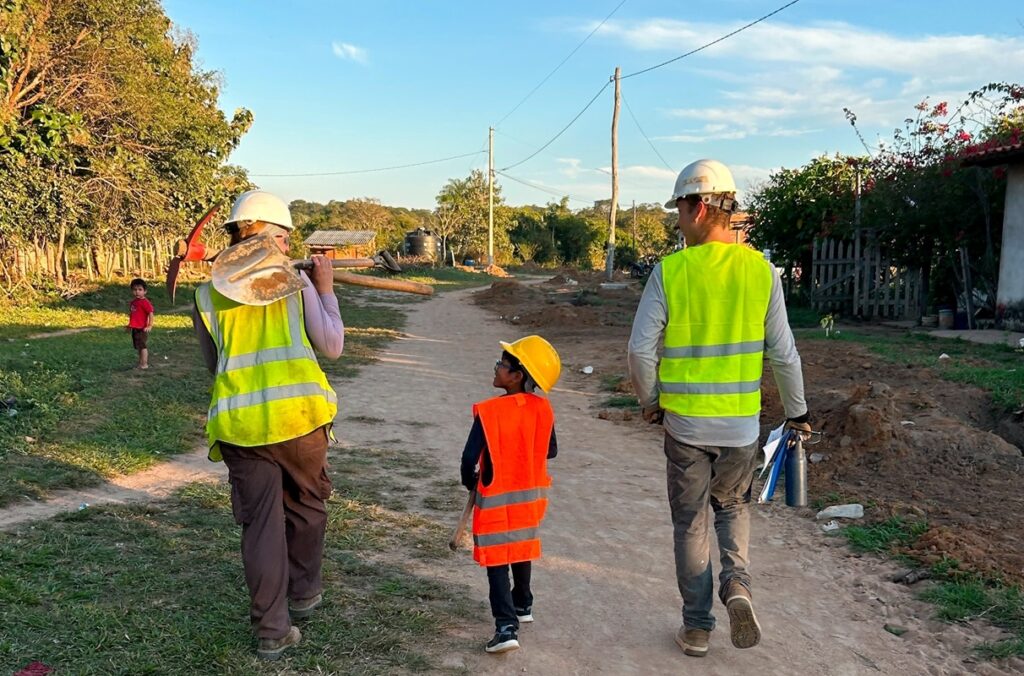
Engineering students help bring clean water to Bolivian town
Representing the WSU Chapter of Engineers in Action, three Cougs spent two months in Bolivia helping to bring clean water to the remote town of Altamira.
Recent News

Internal funding opportunities support WSU research, scholarship, and creative activity
WSU faculty can apply for internal funding to launch research, advance creative and scholarly work, build partnerships and strengthen future external funding proposals.
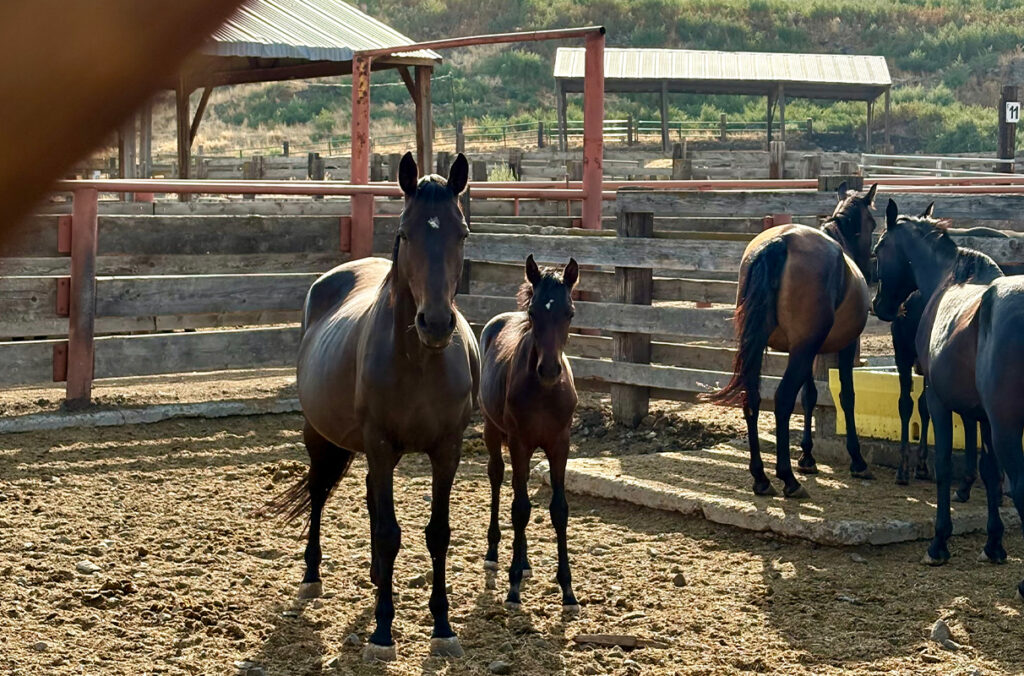
WSU veterinarians, students provide care for neglected horses
WSU veterinarians and students helped prepare 66 neglected horses for adoption by providing health assessments, vaccinations and other essential care.

Schweitzer Engineering Hall dedicated during community celebration
The opening of the new hub for Voiland College of Engineering and Architecture is celebrated with a ceremonial ribbon-cutting and chorus of gratitude.

Game-week Harvest Markets to share tastes of WSU innovation
Two free Harvest Markets on Sept. 25 and Oct. 2 will showcase WSU-grown foods, student-made products, and agricultural innovations ahead of home football games.

WSU team develops potential treatment for endometriosis
Therapy uses nanoparticle to deliver drug directly to disease site, and researchers are hoping to move toward human trials.

Regents approve President Cantwell’s goals for FY27, rename Champions Center
Members of the WSU Board of Regents on Friday approved President Betsy Cantwell’s goals for fiscal year 2027 as part of a suite of actions at the governing body’s first meeting of the fall semester.