PULLMAN,
“Since December 2005, all food prepared in the university’s dining facilities is prepared with trans fat-free fat in response to the requests of our health-conscious guests and our overall commitment to quality,” said Gina Murray, marketing coordinator for Dining Services.
“In addition to expanded salad bars and an increase in vegetarian options, we have also made great strides in increasing the use of homemade foods and are in the process of eliminating most processed items,” said WSU Dining Services assistant director and executive chef Doug Murray.
“It is our belief that homemade soups, fresh vegetables, meats, seafood, etc. are inherently much healthier than sodium or chemically stabilized processed products; we also gain the added benefit that the food tastes much better.”
When non hydrogenated canola oil is used, the flavor of the meals served remains the same. “We have done extensive testing for both frying life and quality results. In a blind test we have found no difference in the flavor quality from the oil used prior to the switch,” Chef Murray said.
WSU Dining Services operates three residence dining centers, the
According to the U.S. Food and Drug Administration, trans fatty acids in the diet contribute to increased blood LDL (low density lipoprotein) cholesterol levels, or “bad” cholesterol. High LDL-cholesterol levels increase the risk of coronary heart disease, which is the number-one cause of death in the nation.
Next Story

WSU Global Campus student ambassador shines during #CougsGive Day
Aunjelique Andersen, a fully online student pursuing her degree in Media Innovation, ranked first on the #CougsGive Ambassador Leaderboard, inspiring 54 gifts through her outreach.
Recent News

WSU SURCA undergraduate researchers earn 65 awards
Seventy‑three students who participated in the Showcase for Undergraduate Research and Creative Activities 2026 were awarded prizes totaling $14,000.

Inside WSU’s student-run hackathons
Hackathons have become a defining space for student innovation, with two taking center stage this year.
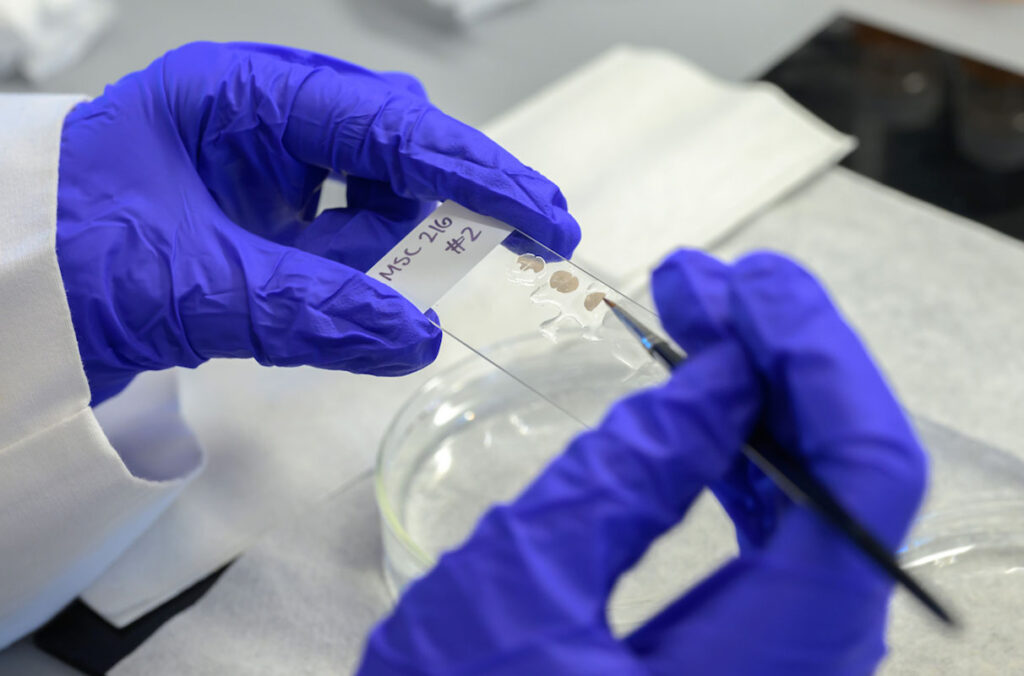
Undergrad researchers drive discovery in the College of Veterinary Medicine
Hands‑on research opportunities in the college are enabling students to contribute directly to major discoveries, including a recent Nature study.

New WSU raspberry breeder to continue career goal of helping farmers
Germán Sandoya-Miranda aims to develop improved varieties and work closely with growers to help Washington farmers boost yields and adapt to evolving challenges.
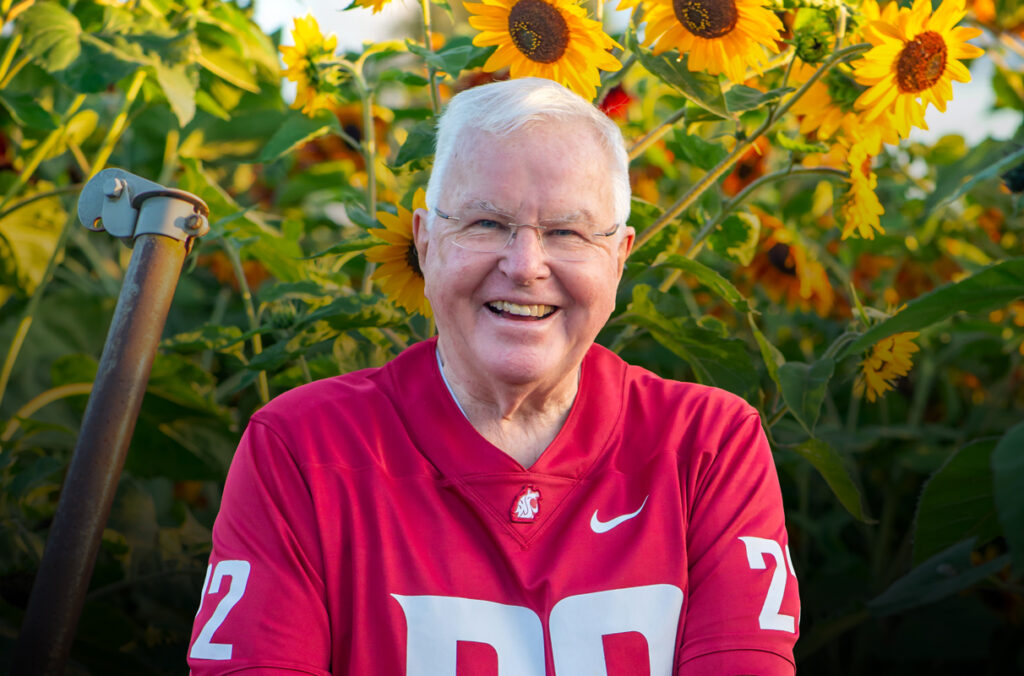
WSU Regent, longtime civic leader Sam Hunt dies following battle with leukemia
Hunt, a 1967 WSU graduate, devoted more than five decades to public service, education, and civic leadership across Washington.
WSU recognized for support of first-generation students
The university’s elevation to FirstGen Forward Network Champion reflects growing enrollment, improved retention, and expanded support programs helping first-generation students succeed.