Patients and pharmacy patrons of the Washington State University Health and Wellness Services will notice a new entrance to its parking lot.
A new gate system has been installed to ensure ample parking for those who utilize the health services at the former Pullman Memorial Hospital location.
To use the new parking lot, drivers must approach the entrance gate, which will open automatically. Upon check in, patients will be given an exit token. Pharmacy patrons will receive a token at the pharmacy counter. To exit the parking lot, approach the gate and deposit the token.
Exit tokens will be issued only to Health and Wellness Services patients or pharmacy patrons, as the parking area is for HWS patient and customer use only.
“We want to make it convenient for our patients and patrons to come to Health and Wellness Services,” said Donna Hash, administrative manager for HWS.
Along with the new gate system, there are two convenient drop-off locations on Washington Street, adjacent to HWS.
Students who do not have a car to get to HWS can utilize Pullman Transit by showing their CougarCard. For route information, call Pullman Transit at (509) 332-6535 or visit its Web site at https://www.pullmantransit.com/.
For more information, contact HWS at (509) 335-3575 or Parking and Transportation Services at (509) 335-PARK.
Next Story

WSU Global Campus student ambassador shines during #CougsGive Day
Aunjelique Andersen, a fully online student pursuing her degree in Media Innovation, ranked first on the #CougsGive Ambassador Leaderboard, inspiring 54 gifts through her outreach.
Recent News

WSU SURCA undergraduate researchers earn 65 awards
Seventy‑three students who participated in the Showcase for Undergraduate Research and Creative Activities 2026 were awarded prizes totaling $14,000.
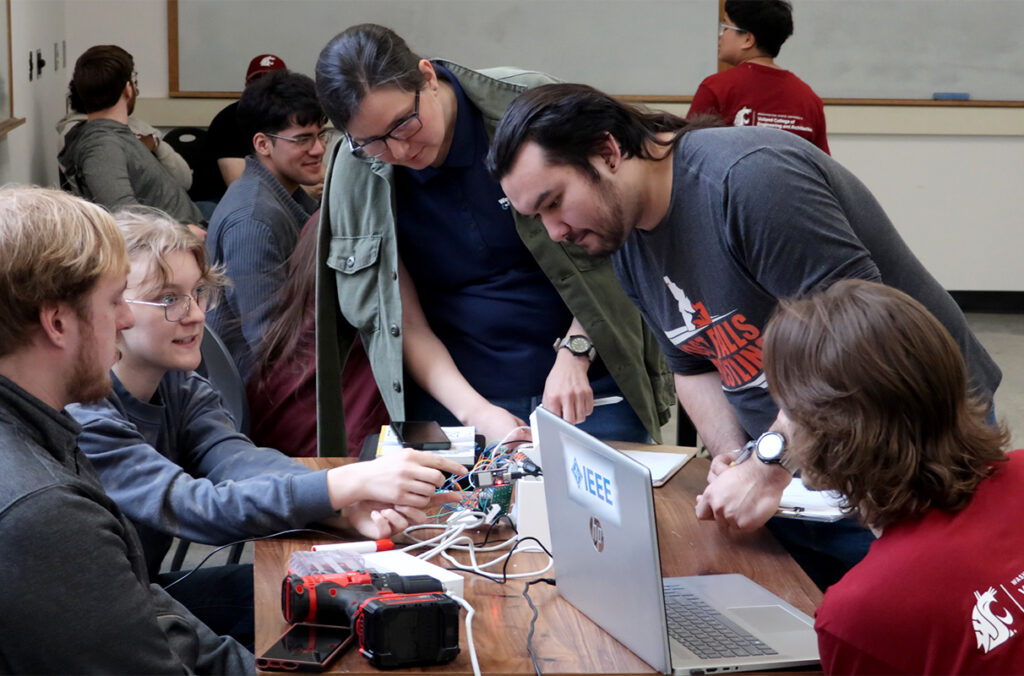
Inside WSU’s student-run hackathons
Hackathons have become a defining space for student innovation, with two taking center stage this year.
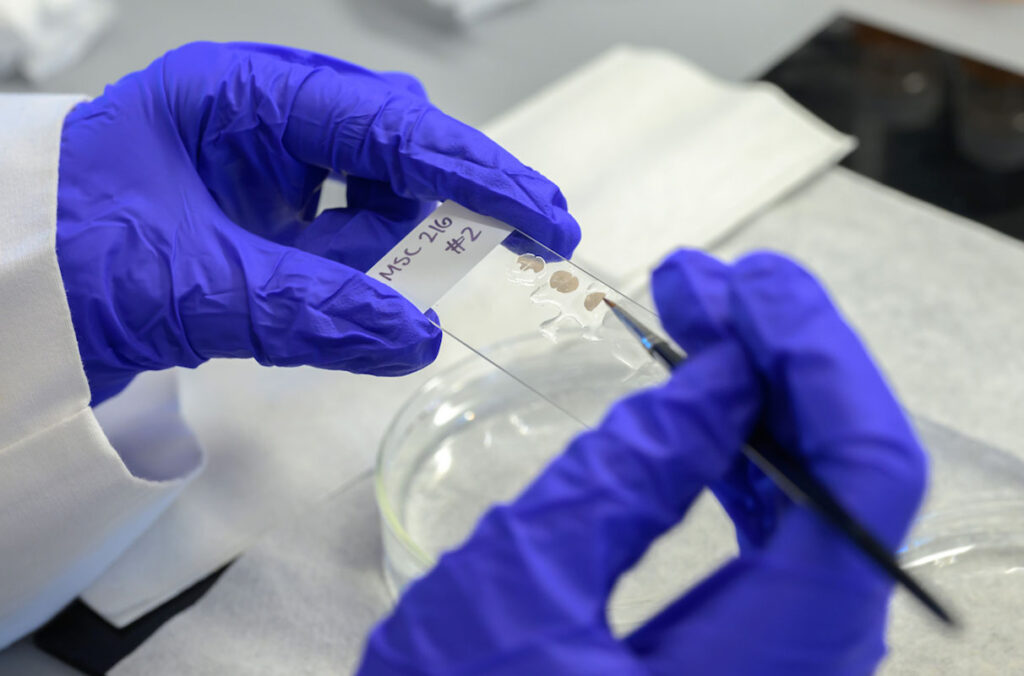
Undergrad researchers drive discovery in the College of Veterinary Medicine
Hands‑on research opportunities in the college are enabling students to contribute directly to major discoveries, including a recent Nature study.
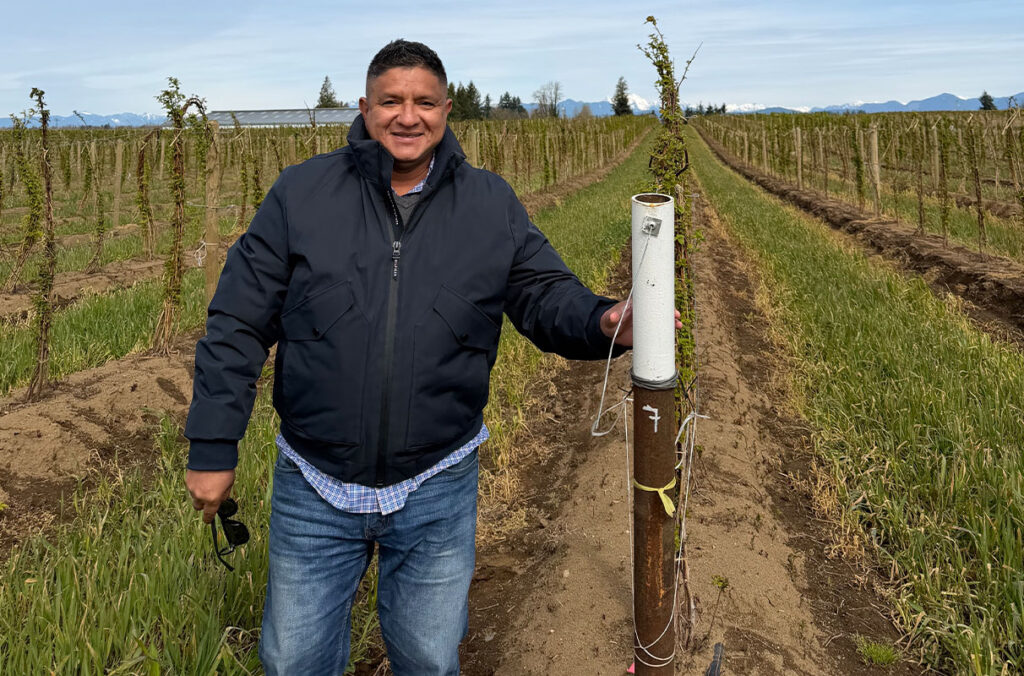
New WSU raspberry breeder to continue career goal of helping farmers
Germán Sandoya-Miranda aims to develop improved varieties and work closely with growers to help Washington farmers boost yields and adapt to evolving challenges.
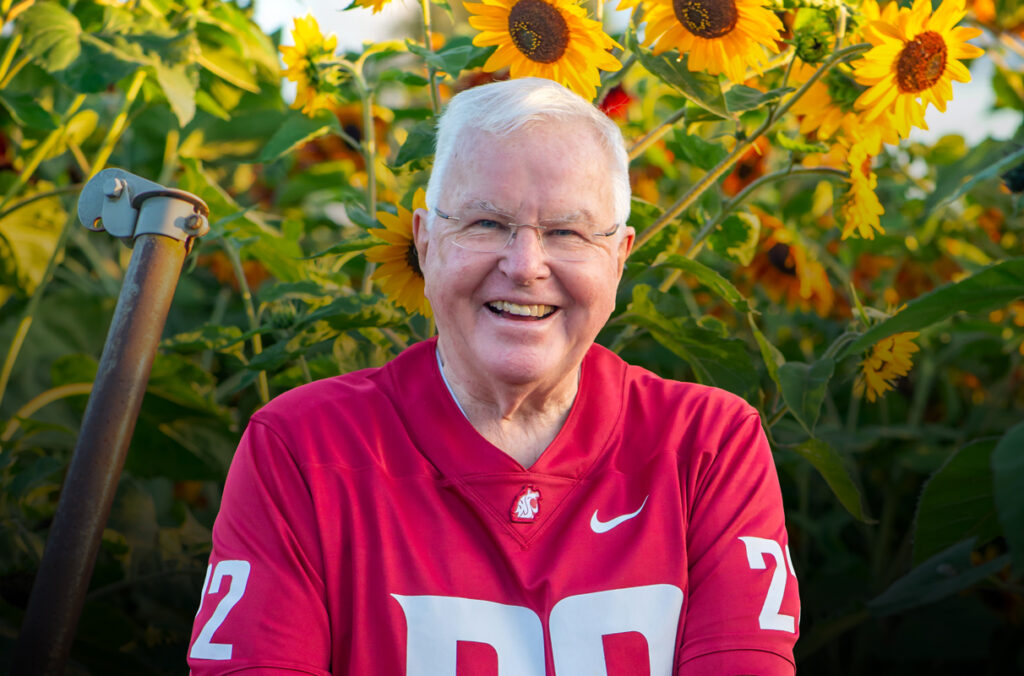
WSU Regent, longtime civic leader Sam Hunt dies following battle with leukemia
Hunt, a 1967 WSU graduate, devoted more than five decades to public service, education, and civic leadership across Washington.
WSU recognized for support of first-generation students
The university’s elevation to FirstGen Forward Network Champion reflects growing enrollment, improved retention, and expanded support programs helping first-generation students succeed.