What is a cataplasm, and what do you do with one?
Would you be insulted if someone called you argillaceous?
What does it mean when a canoe flacks?
These are all words that were familiar to Meriwether Lewis and William Clark, and were penned by expedition members in their notes, but are less commonly used and understood today.
As the bicentennial of the Lewis and Clark expedition draws near, Washington State University Press is pleased to announce a new title that will serve as one of the few lexical resources available for the Corps of Discovery journals: “Lewis and Clark: Lexicon of Discovery,” by Alan H. Hartley.
“The journals are a fascinating record of American English at the time of the greatest expansion in U.S. history,” Hartley said. An independent lexicographer, editor and researcher, he has contributed to the Oxford English Dictionary, New Oxford American Dictionary and Oxford American College Dictionary.
Hartley spent more than five years in research on the history, people and physical world of the expedition, hoping to help those who are interested in the Lewis and Clark expedition better understand the language of the time and also appreciate its sound. His emphasis on pronunciation will be especially valuable to historical re-enactors.
The volume features more than 1,100 entries and more than 2,000 illustrative quotations, as well as considerable background material on the English (and other languages) of the expedition. A typical entry includes the headword, pronunciation, definition, cross reference, and the related journal quotation along with date, author and citation information.
“Lewis and Clark: Lexicon of Discovery” is 6 x 9 inches, 256 pages and offered in paperback for $24.95 or spiral for $27.95. It is available at bookstores or can be ordered directly from WSU Press at 800-354-7360 or https://wsupress.wsu.edu.
Cataplasm – a poultice
Argillaceous – composed of clay
Flack – to splash
Next Story

Fulbright France highlights WSU professor’s global energy impact for America’s 250th
Bin Yang was featured by the Franco-American Fulbright Commission during America’s 250th anniversary celebrations for his international work advancing sustainable fuels, bioeconomy research, and global energy security.
Recent News

Recent WSU graduate Bhargav Iyer wants to blend science and public policy
Iyer discovered at WSU that solving some of society’s biggest challenges will require people who can bridge the worlds of research and government advocacy.
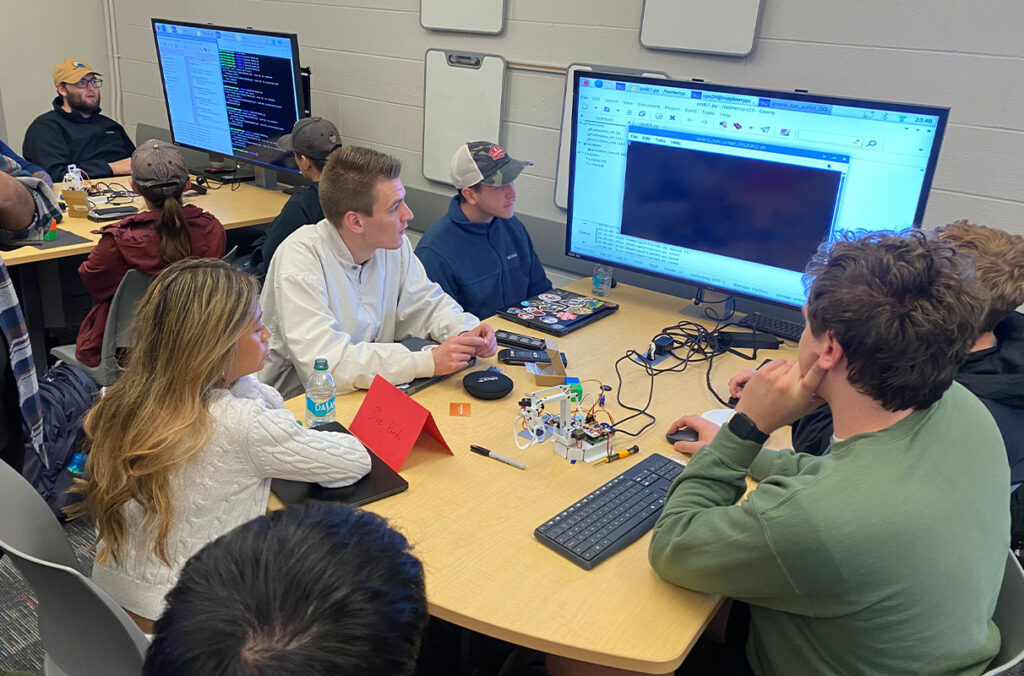
Workshop brings cybersecurity leaders and students to Pullman May 18–22
Cybersecurity experts, students, and Department of Defense personnel will gather for a workshop featuring training and discussions on topics ranging from AI security to cyber ethics.
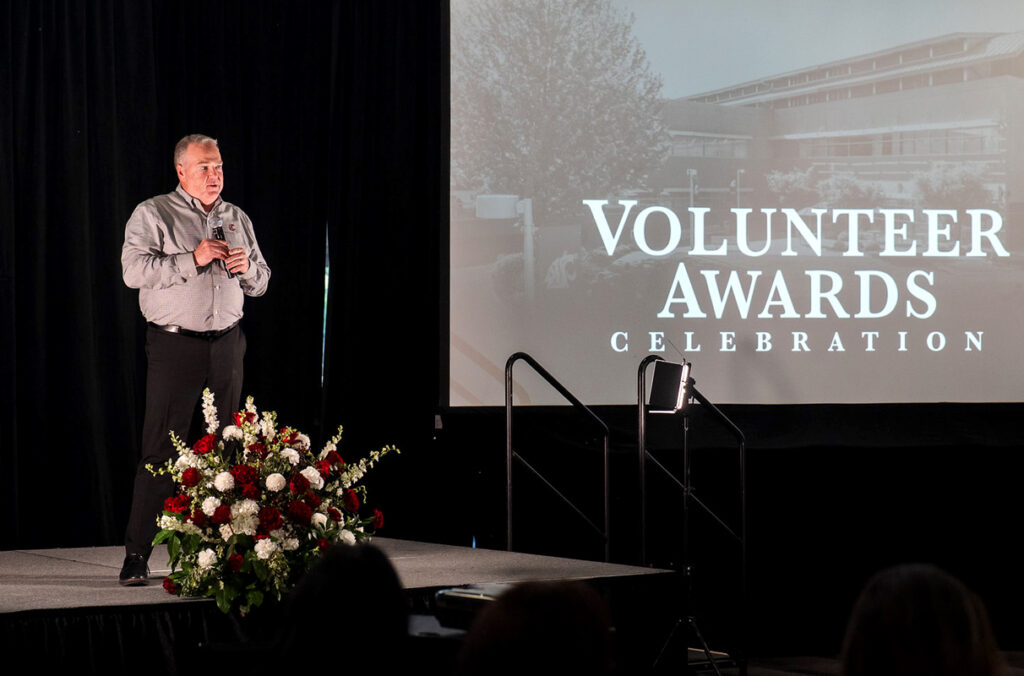
WSU Foundation to honor volunteers at annual awards celebration in Seattle
Tonight’s event spotlights individuals whose leadership, advocacy, and generosity have advanced WSU and its statewide impact.
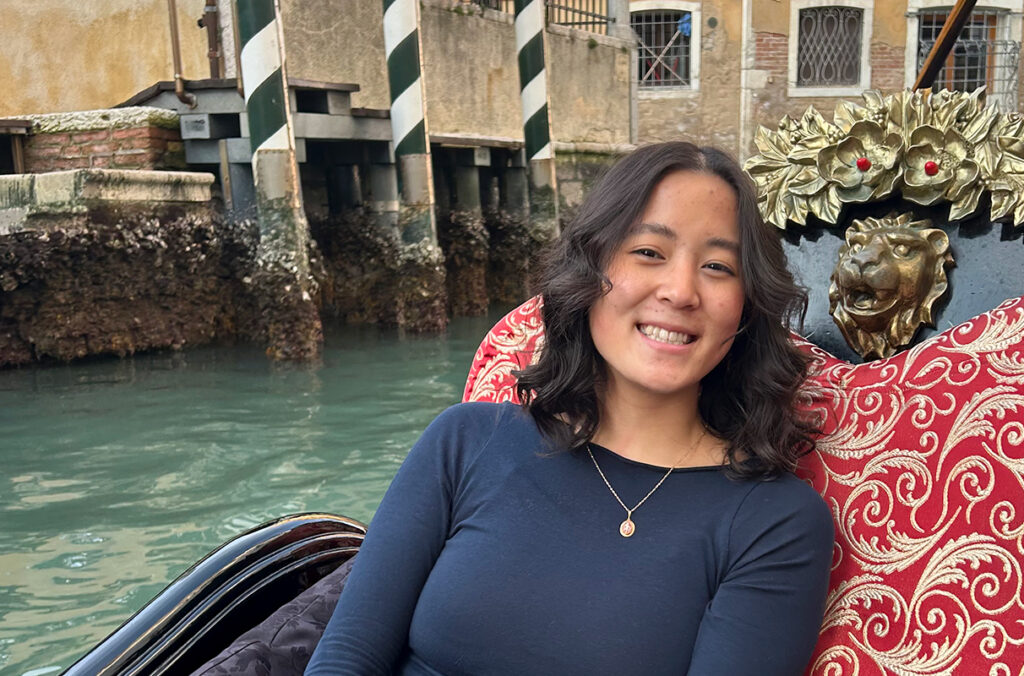
Art speaks to recent WSU graduate Hai Xing Lewis
A high school art history class helped set Lewis on a path to studying Renaissance works in Florence and pursuing a future career in museum work.

Dr. Universe explains why bread rises in the oven
With help from WSU Breadlab head baker Mel Darbyshire, Dr. Universe explains that bread rises because of yeast, a tiny living fungus that feeds on sugar and releases carbon dioxide gas.
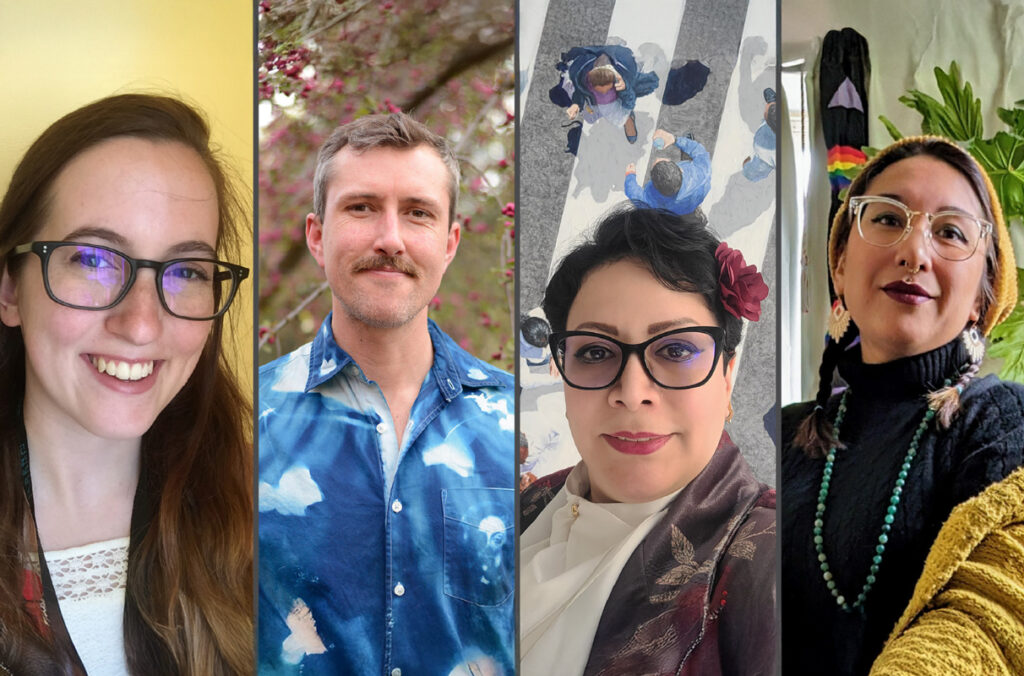
Pollart Center announces 2026 Publicly Engaged Fellows cohort
The four WSU graduate students will lead projects ranging from documenting Black history in East Pasco to creating Indigenous food forests and multilingual literacy programs.