The polls’ ups and downs: These days, the spirits of many political candidates and their supporters can be traced to the ups and downs of the pre-election polls. While nearly every presidential poll points to a close election, they show different snapshots of the race as its stands now. What is the reason for the disparity? Are there really enough undecided voters moving back and forth to change the results? And how are the truly undecided voters likely to come down on Election Day? Travis Ridout, assistant professor of political science at WSU, studies the electoral process, how voters make up their minds and how polls measure those decisions. Ridout can be reached at 509.335.2264 or tnridout@wsu.edu.
Getting voters involved: As Election Day approaches, political interest is high, and many observers are speculating about the potential impact that an influx of new voters might have on the results. Mark Stephan, an assistant professor of public affairs at Washington State University Vancouver, studies citizen participation at the community level in the area of environmental policy. He also has interests in political behavior more broadly, including better understanding the factors that motivate people to get involved politically, whether it be voting in a presidential election or serving on an advisory board for a community group. Stephan can be reached at 360.546.9467 or stephanm@vancouver.wsu.edu.
Supreme Court and politics: The news that Supreme Court Chief Justice William Rehnquist is being treated for thyroid cancer has re-focused attention on the role that the next president will have in re-shaping the nation’s highest court. Cornell Clayton, a professor of political science at
Budget challenges ahead: Tuesday’s election will determine the balance of power in both the U.S. Congress and the Washington State Legislature. But no matter which party controls power in
Next Story
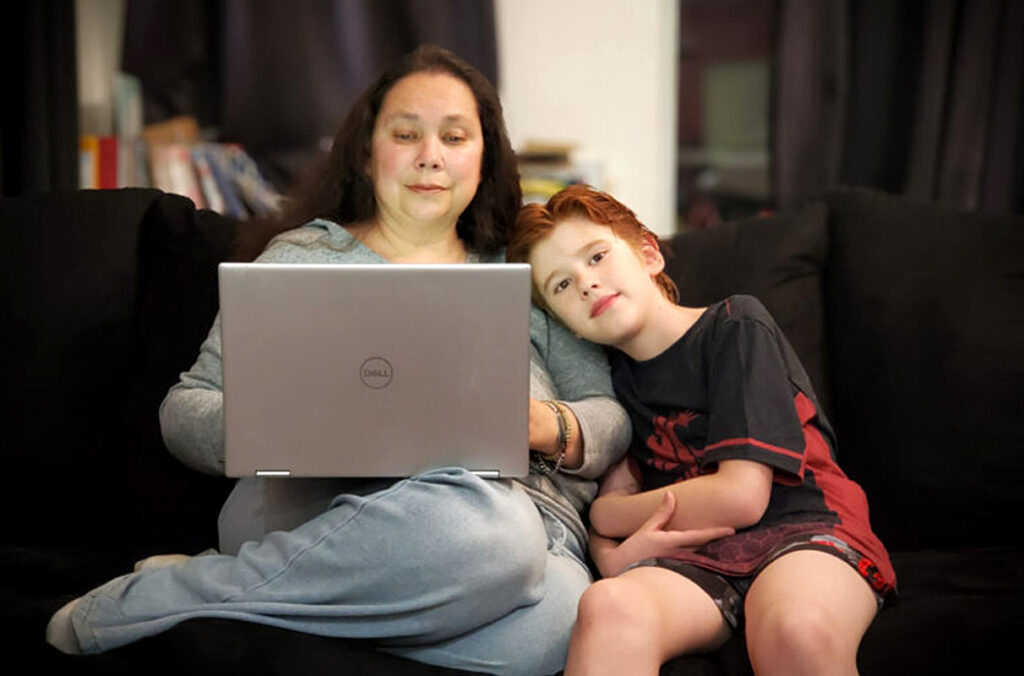
WSU Global Campus student ambassador shines during #CougsGive Day
Aunjelique Andersen, a fully online student pursuing her degree in Media Innovation, ranked first on the #CougsGive Ambassador Leaderboard, inspiring 54 gifts through her outreach.
Recent News

WSU SURCA undergraduate researchers earn 65 awards
Seventy‑three students who participated in the Showcase for Undergraduate Research and Creative Activities 2026 were awarded prizes totaling $14,000.
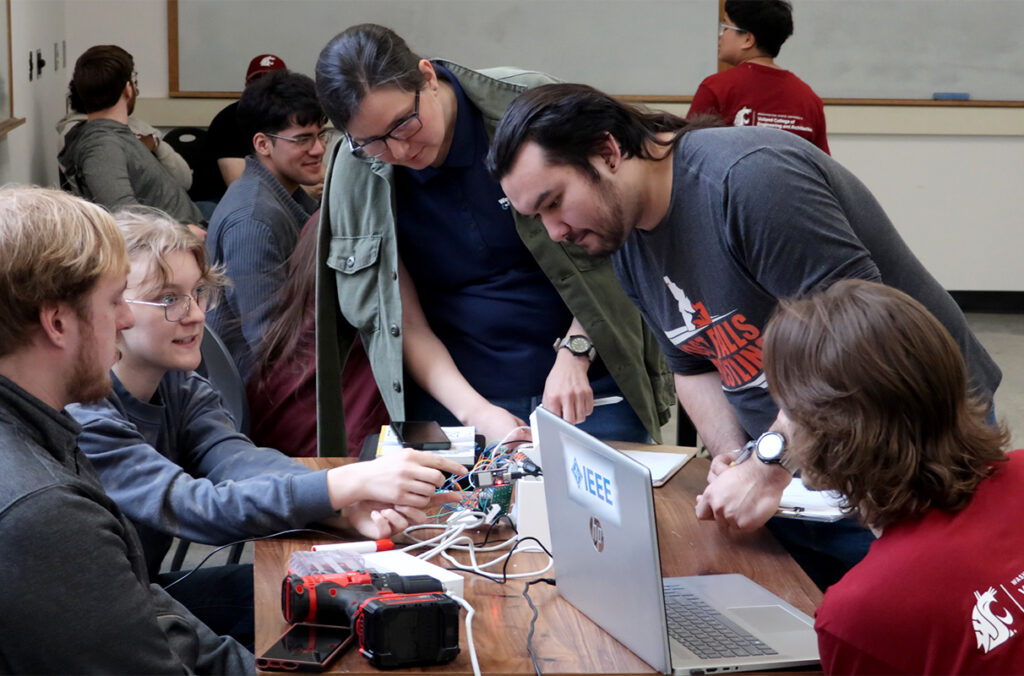
Inside WSU’s student-run hackathons
Hackathons have become a defining space for student innovation, with two taking center stage this year.
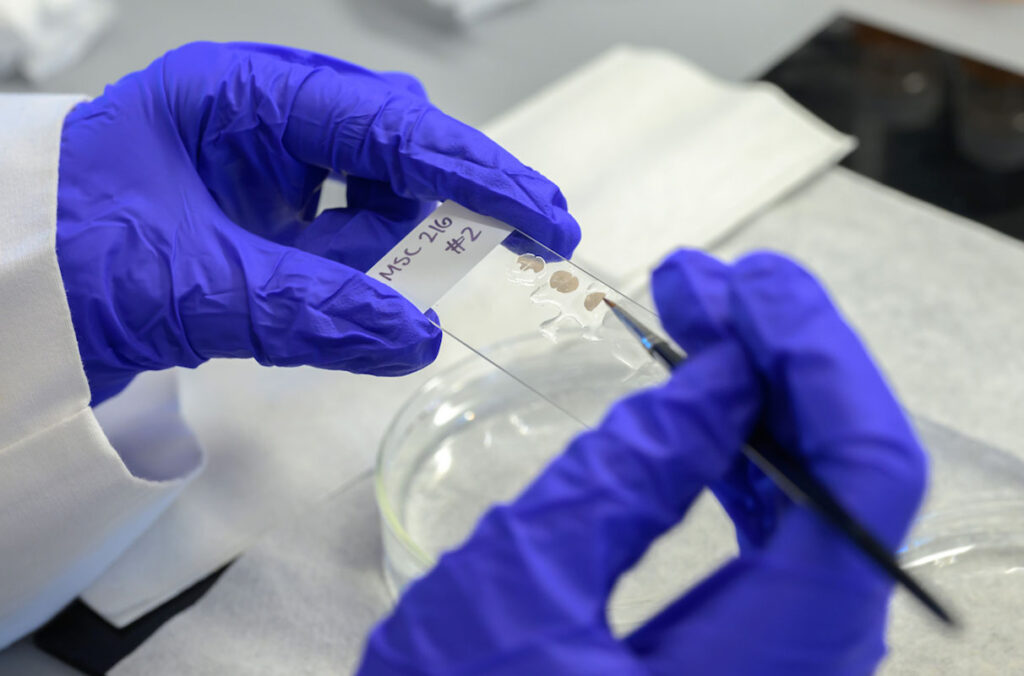
Undergrad researchers drive discovery in the College of Veterinary Medicine
Hands‑on research opportunities in the college are enabling students to contribute directly to major discoveries, including a recent Nature study.
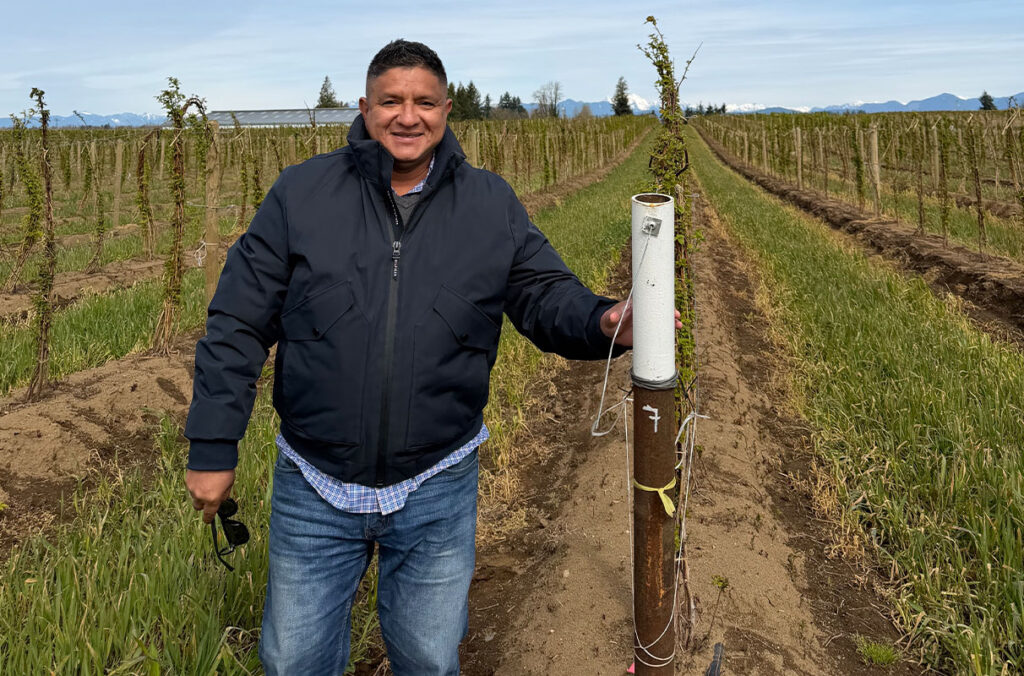
New WSU raspberry breeder to continue career goal of helping farmers
Germán Sandoya-Miranda aims to develop improved varieties and work closely with growers to help Washington farmers boost yields and adapt to evolving challenges.
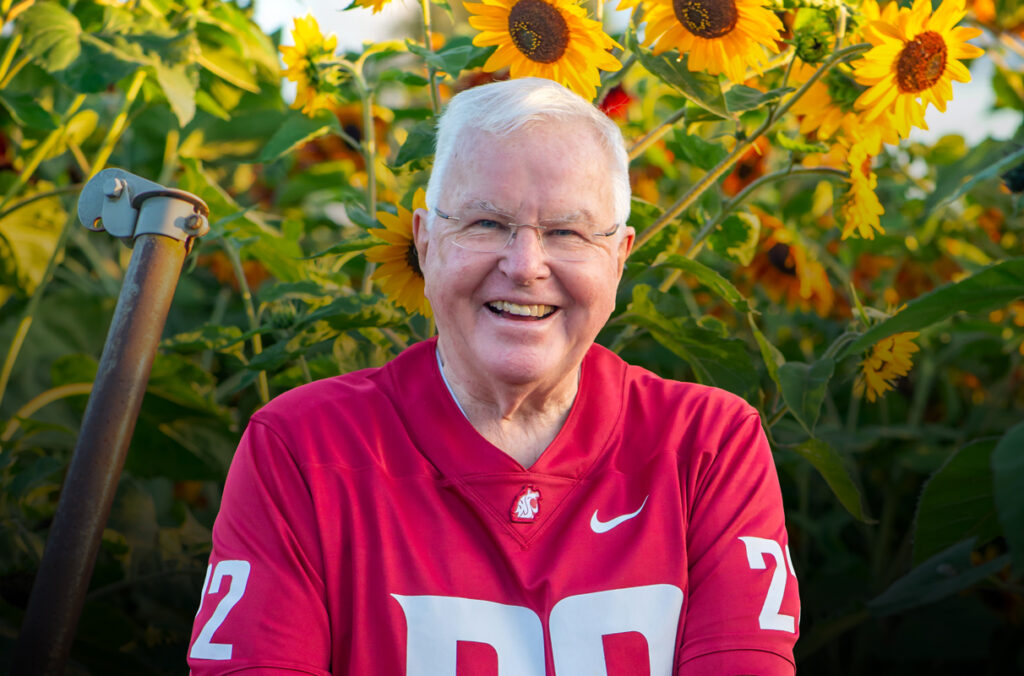
WSU Regent, longtime civic leader Sam Hunt dies following battle with leukemia
Hunt, a 1967 WSU graduate, devoted more than five decades to public service, education, and civic leadership across Washington.
WSU recognized for support of first-generation students
The university’s elevation to FirstGen Forward Network Champion reflects growing enrollment, improved retention, and expanded support programs helping first-generation students succeed.