Provost Robert Bates, during a recent dialogue, highlighted the development of an academic plan that works in conjunction with the university’s strategic plan. The academic plan will:
• Identify selective areas of emphasis and build upon them.
• Improve the quality of WSU’s core academic programs and focus on high priority academic majors and degrees to enhance efficiency and effectiveness.
• Evaluate the feasibility of organizing related disciplines and functions into common academic or administrative units that would be more visible at the national and international level.
• Establish benchmarks aligned with four strategic areas.
These four areas are: the undergraduate experience, the graduate experience, social impact and research and scholarship. Within the research and scholarship area, Bates said, six focus areas have been identified that “embody the expertise, high quality programs, cutting edge research and scholarship of the WSU community.” They are:
• Health and life sciences
• Environmental and natural resources
• Physical sciences and engineering
• Arts, humanities, culture and design
• Security and safety
• Society, communications and enterprise
These six areas, he said, were arrived at through a series of discussions that considered what scholarly and research efforts WSU is best known for, where WSU’s strengths lie in terms of ability to obtain external support, what areas have the potential for interdisciplinary collaboration, and what areas provide the university with greater visibility at the national and international level.
Organizational structure
During his dialogue, Bates also described plans to review the university’s academic organizational structure. That effort will be led by a small committee jointly sponsored by the Faculty Senate and the Office of the Provost.
“We are in the discussion phase only,” he said. “No decision has been made about whether or how to reorganize. And, the review is not driven by budget considerations.”
The committee will review WSU’s current academic structure to see if it is “optimal to achieve the university’s strategic goals and address 21st century challenges.” An optimal structure should:
• Encourage synergies in teaching and creative activities.
• Eliminate duplication.
• Create more effective, coherent units.
• Create larger units that would be more visible at the national and international level.
The committee, he said, will provide opportunities for comments and feedback from faculty, staff and students across the university. Committee recommendations will be subject to approval of the Faculty Senate, provost and president.
To view the entire Provost’s Dialogue via videostream, go to https://experience.wsu.edu. The PowerPoint presentation from this dialogue can be found at https://provost.wsu.edu/communications/index.html.
Next Story

WSU Global Campus student ambassador shines during #CougsGive Day
Aunjelique Andersen, a fully online student pursuing her degree in Media Innovation, ranked first on the #CougsGive Ambassador Leaderboard, inspiring 54 gifts through her outreach.
Recent News

WSU SURCA undergraduate researchers earn 65 awards
Seventy‑three students who participated in the Showcase for Undergraduate Research and Creative Activities 2026 were awarded prizes totaling $14,000.
Inside WSU’s student-run hackathons
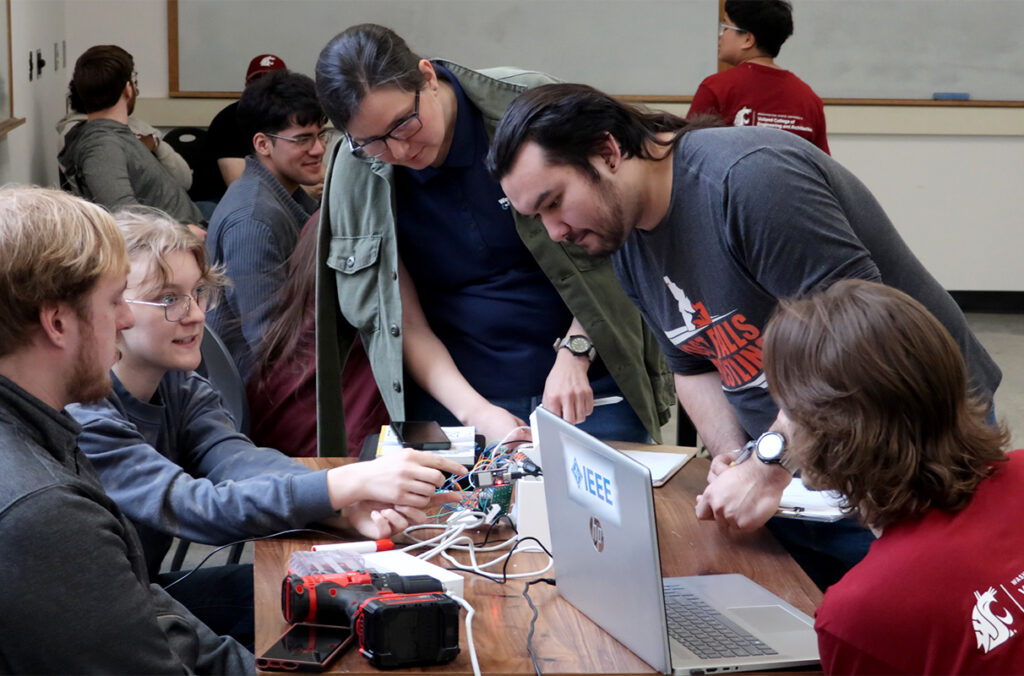
Hackathons have become a defining space for student innovation, with two taking center stage this year.
Undergrad researchers drive discovery in the College of Veterinary Medicine
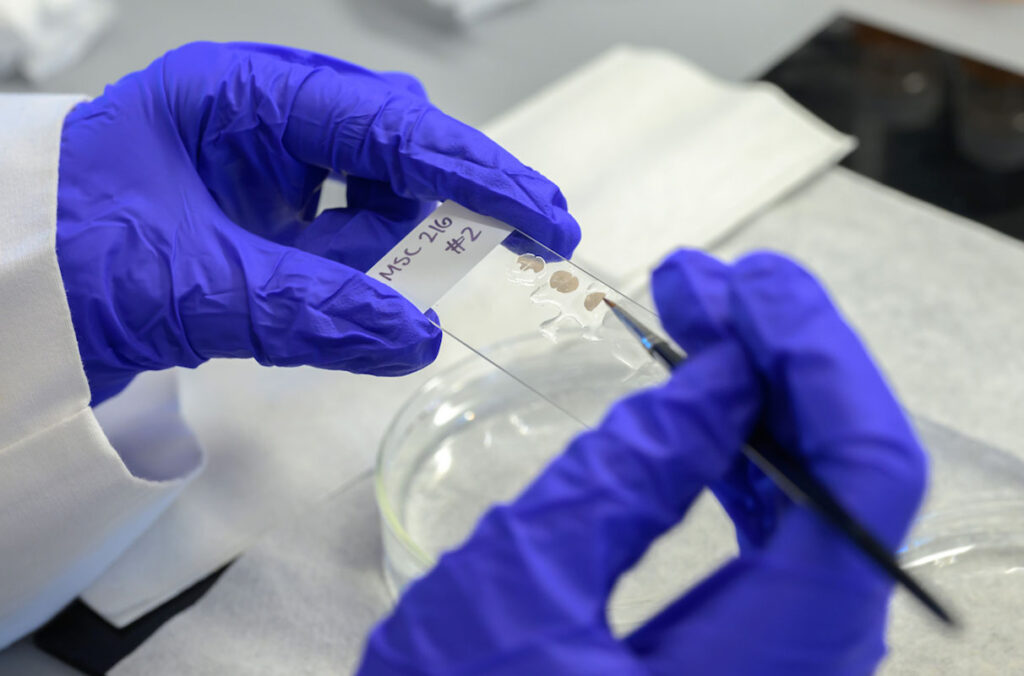
Hands‑on research opportunities in the college are enabling students to contribute directly to major discoveries, including a recent Nature study.
New WSU raspberry breeder to continue career goal of helping farmers
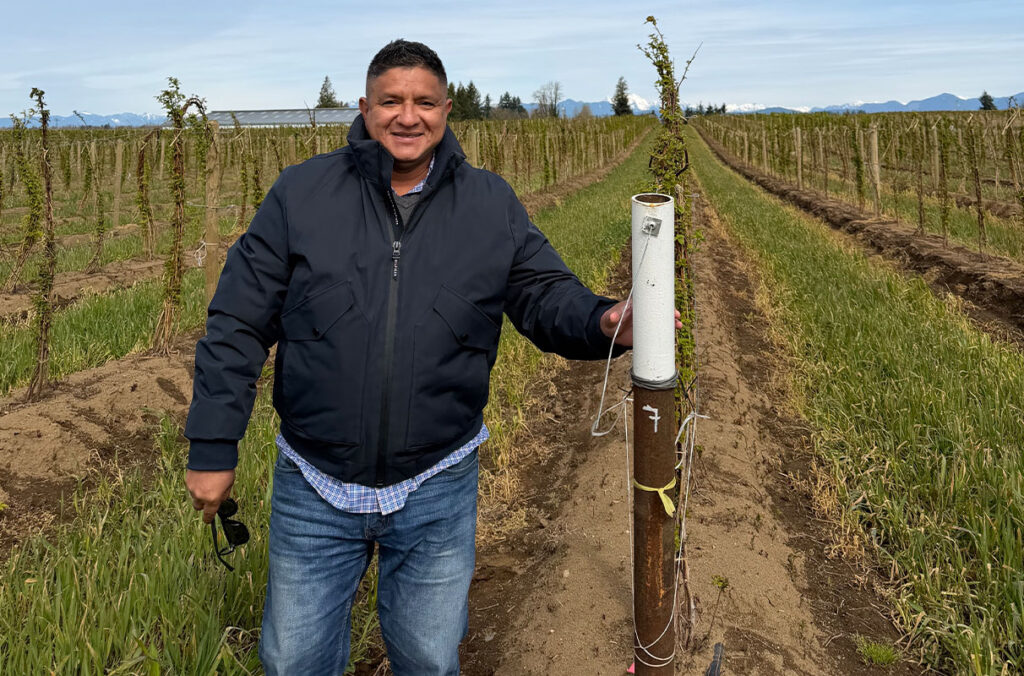
Germán Sandoya-Miranda aims to develop improved varieties and work closely with growers to help Washington farmers boost yields and adapt to evolving challenges.
WSU Regent, longtime civic leader Sam Hunt dies following battle with leukemia
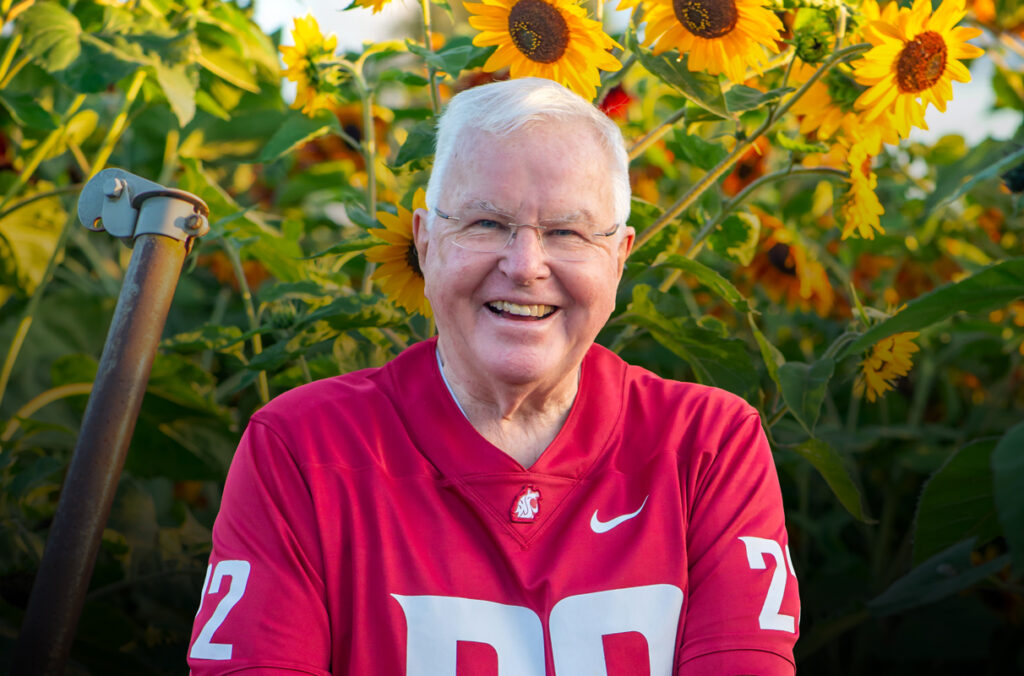
Hunt, a 1967 WSU graduate, devoted more than five decades to public service, education, and civic leadership across Washington.
WSU recognized for support of first-generation students
The university’s elevation to FirstGen Forward Network Champion reflects growing enrollment, improved retention, and expanded support programs helping first-generation students succeed.