One of the largest asteroids ever known to pass near Earth will make its closest pass this Wednesday, Sept. 29. At about 3 miles long and a half-mile wide, the giant space rock, named 4179 Toutatis, would cause global devastation should it strike the planet – which fortunately, it won’t. Instead, Toutatis will pass within a million miles of Earth, at roughly four times the distance to the Moon. Its passage will be visible only to the trained eye, and only from the earth’s southern hemisphere. Discovered in 1989, the asteroid is distinguished by its dumbbell shape and wild rotation. Most asteroids rotate somewhat like a football thrown in a perfect spiral, but “Toutatis tumbles like a flubbed pass,” says Scott Hudson, a professor with the WSU School of Electrical Engineering and Computer Science and a visiting scientist at the Jet Propulsion Laboratory, California Institute of Technology. Hudson, who is involved in the study and computer modeling of earth-crossing asteroids, can be reached at 509.372.7254 or by e-mail at hudson@tricity.wsu.edu. For more on
Next Story

Apple Cup rivalry fuels friendly competition for food pantry challenge
Cougs can help WSU defend its two-year Apple Cup Food Pantry Challenge winning streak by donating through Sept. 6 to support food pantries across all six campuses.
Recent News
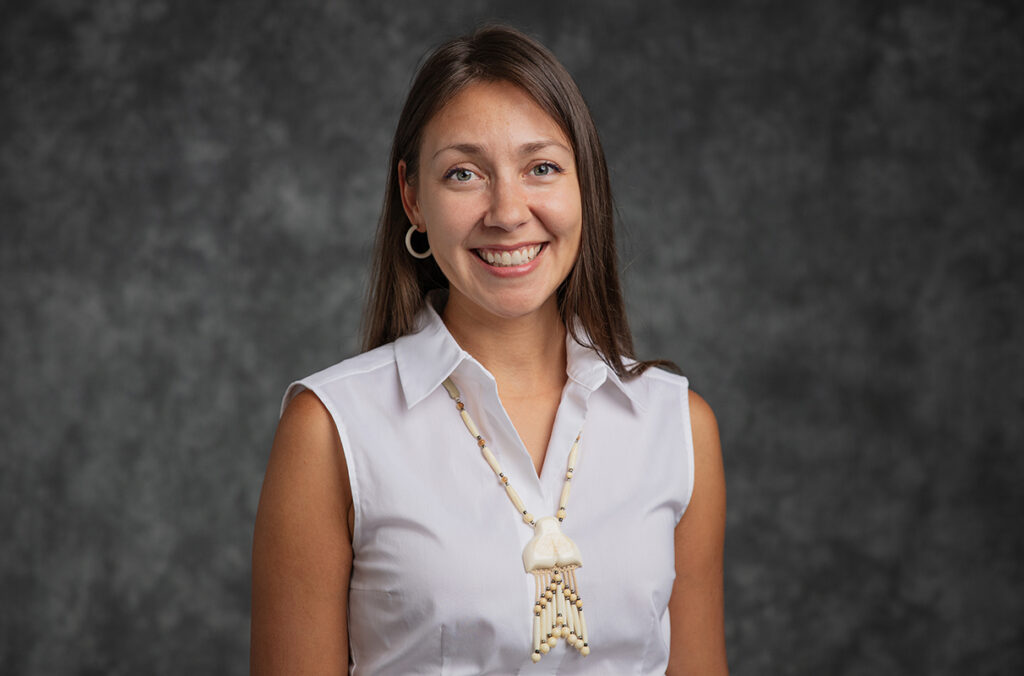
Holly Miowak Guise headlines 2026 Pettyjohn Memorial History Lecture
Drawing on oral histories from more than 90 Alaska Native elders, Guise will explore Native resistance and Indigenous military service during World War II at the Sept. 14 event.

Regents Professor Jill McCluskey joins National Academies new Food, Nutrition, and Ag Committee
McCluskey will help guide national science priorities and policies related to food, nutrition, and agricultural production.

When ‘helpful’ product reviews lead shoppers astray
Researchers find that featured product reviews online may be “sour fruit” in terms of helping shoppers find what they’re looking for.
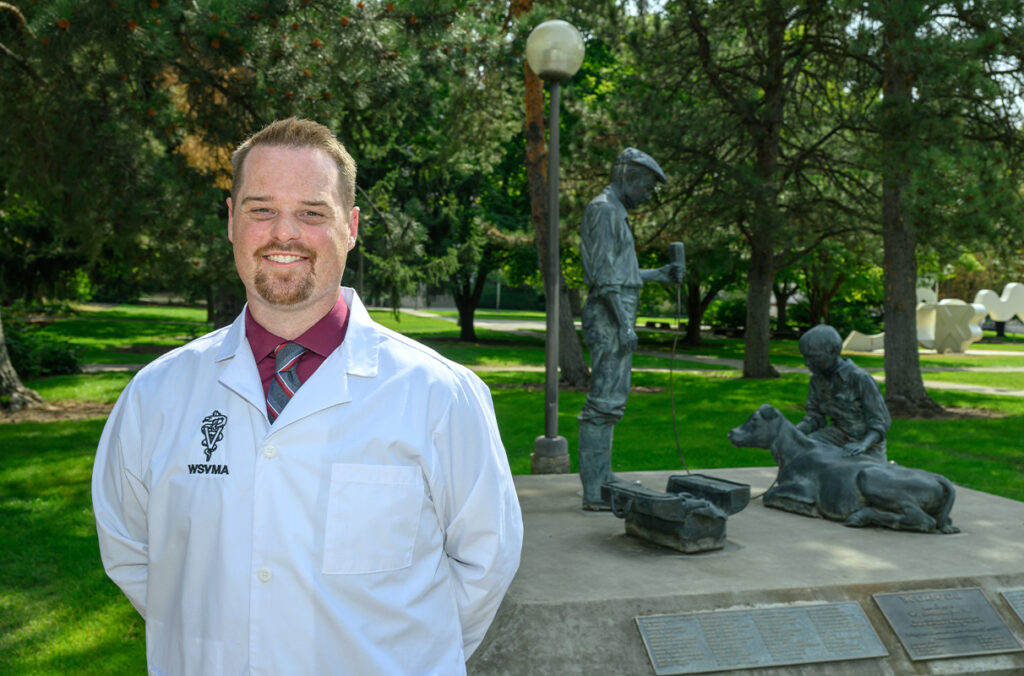
Disease investigator returns to WSU for veterinary degree
WSU graduate Terran Gilbreath is returning to his alma mater, bringing experience in epidemiology and public health as he pursues a veterinary medicine degree.

Seattle TV news icon looking forward to serving alma mater
Shortly after signing off for the final time as a member of the KOMO news team, Mary Nam accepted a position as a member of the WSU Board of Regents.

Washington State 4-H exchange reunites families decades later
More than three decades after Washington State 4-H brought Hanako Matusmoto into Melissa Nissen’s home, the pair reunited this summer through the same WSU Extension program.