The Washington State University Foundation has awarded 10 research grants totaling $100,000 through the 2004 WSU Foundation New Faculty Seed Grant competition. The WSU Office of Research provided an additional $50,000 to these projects.
The WSU Foundation New Faculty Seed Grant Program was developed to encourage junior-level faculty to develop research, creative or scholarly programs that have a potential for extramural support. Research projects considered for the award fall into one of four general categories — arts/humanities, biological/health sciences, engineering/physical sciences and social sciences.
This year’s recipients were chosen from 51 applicants and featured a range of topics, including nanostructured ceramic sensors, professional development of science teachers and treatment of muscular dystrophies, to name a few.
Receiving grants at the WSU Pullman campus are Tina Anctil, assistant professor in the Department of Educational Leadership and Counseling Psychology; Susmita Bose, assistant professor in the School of Mechanical and Materials Engineering; Richard Gill, assistant professor in environmental sciences; Deuk H. Heo, assistant professor in the School of Electrical Engineering and Computer Science; Audrey OT Lau, assistant research professor in the Department of Veterinary Microbiology and Pathology; Kim M. Lloyd, assistant professor in the Department of Sociology; Robert H. Mealey, assistant professor in the Department of Veterinary Microbiology and Pathology; and Buel D. Rodgers, assistant professor/scientist in the Department of Animal Sciences. John P. Garofalo, assistant professor in the Department of Psychology in the
The WSU Foundation teamed up with the Office of the Vice Provost for Research for the 2004 competition. It is expected that these awards, which are funded for a 15-month period, ending August 15, 2005, will provide experience in identifying and submitting applications to potential funding sources. These awards will also provide preliminary data for support applications for extramural funding for these projects.
“It is imperative that Washington State University’s junior faculty have opportunities to not only conduct groundbreaking scholarship in their fields of interest, but to also gain valuable experience developing proposals which allow their peers to evaluate the impact and significance of their work. Moreover, this program allows new faculty to better understand the various aspects of working with an extramural funding agency,” said James Petersen, vice provost for research.
“The Washington State University Foundation New Faculty Seed Grant program helps our young faculty to become established, enhancing their ability to contribute to the state, nation and world. Moreover, it helps ensure that our students will continue to be able to work with world-class faculty in the face-to-face environment that characterizes
“It is our hope that by engaging the WSU Foundation trustees in this process, our supporters will better understand WSU’s research mission,” said Richard Frisch, president of the WSU Foundation. “We would like to see the fund grow to enable even more support for our young faculty, ensuring that WSU continues to offer the best education possible to the young people of our state and nation.”
Next Story
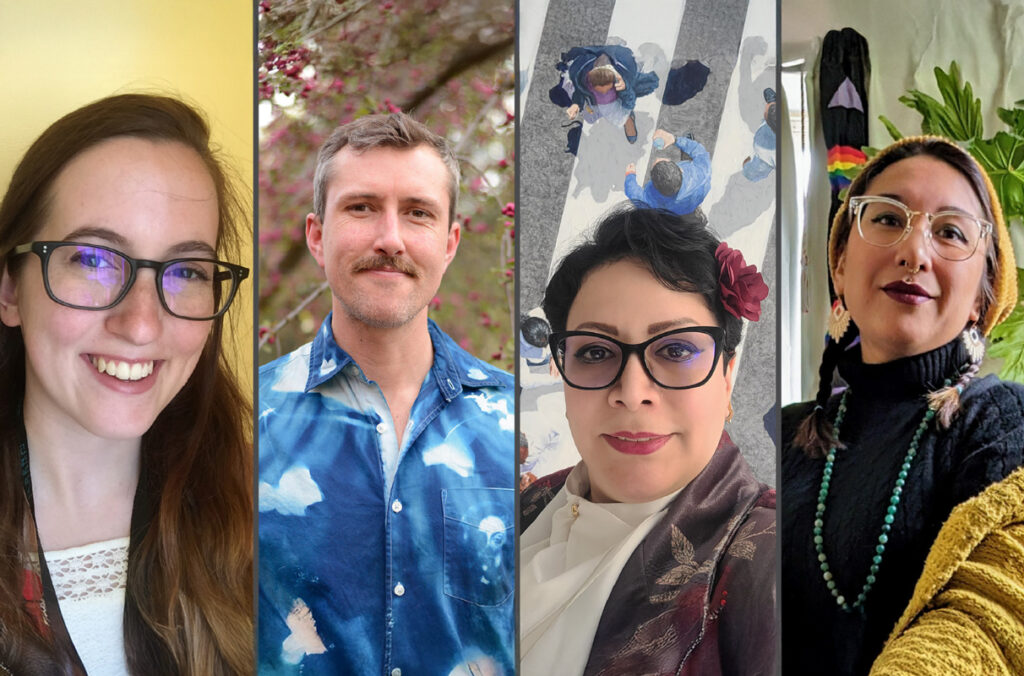
Pollart Center announces 2026 Publicly Engaged Fellows cohort
Four WSU graduate students have been named 2026 Publicly Engaged Fellows and will lead community-focused projects ranging from documenting Black history in East Pasco to creating Indigenous food forests and multilingual literacy programs.
Recent News

Dr. Universe explains why bread rises in the oven
With help from WSU Breadlab head baker Mel Darbyshire, Dr. Universe explains that bread rises because of yeast, a tiny living fungus that feeds on sugar and releases carbon dioxide gas through a process called fermentation.
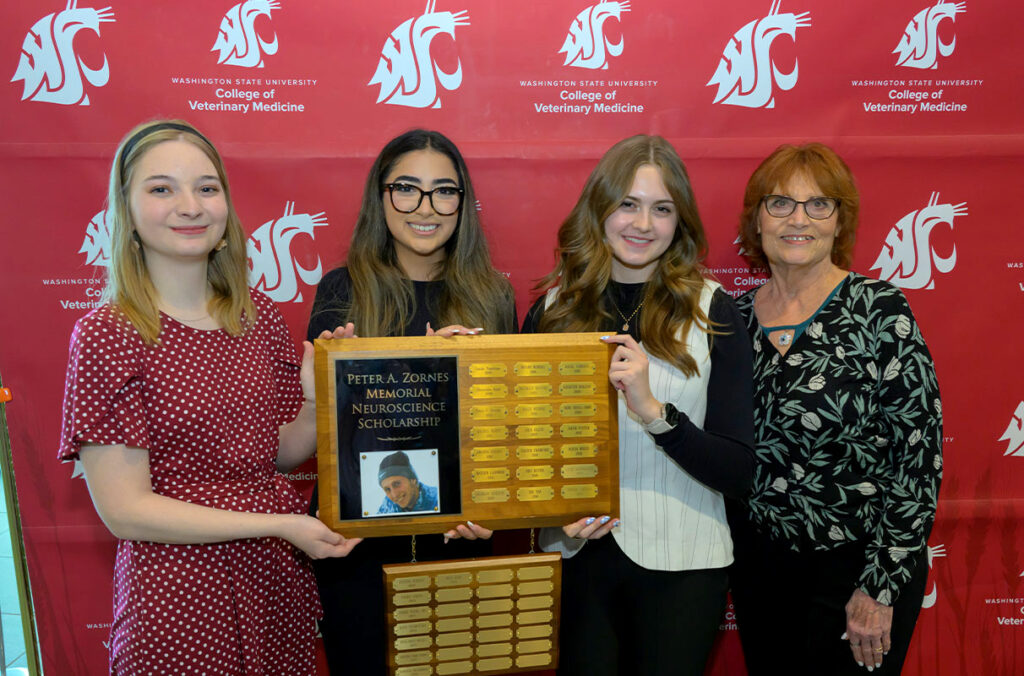
WSU neuroscience students earn scholarship in memory of late Coug alumnus
Valentina Iturbe Fuentes, Karenna Meyermann, and Maya Nash received the Peter A. Zornes Memorial Scholarship for their commitment and outstanding achievements.

Students design for Columbia River community
A group of landscape architecture students recently presented designs to address issues of housing, infrastructure, river health, resilience, and sustenance in the Columbia River Gorge region.
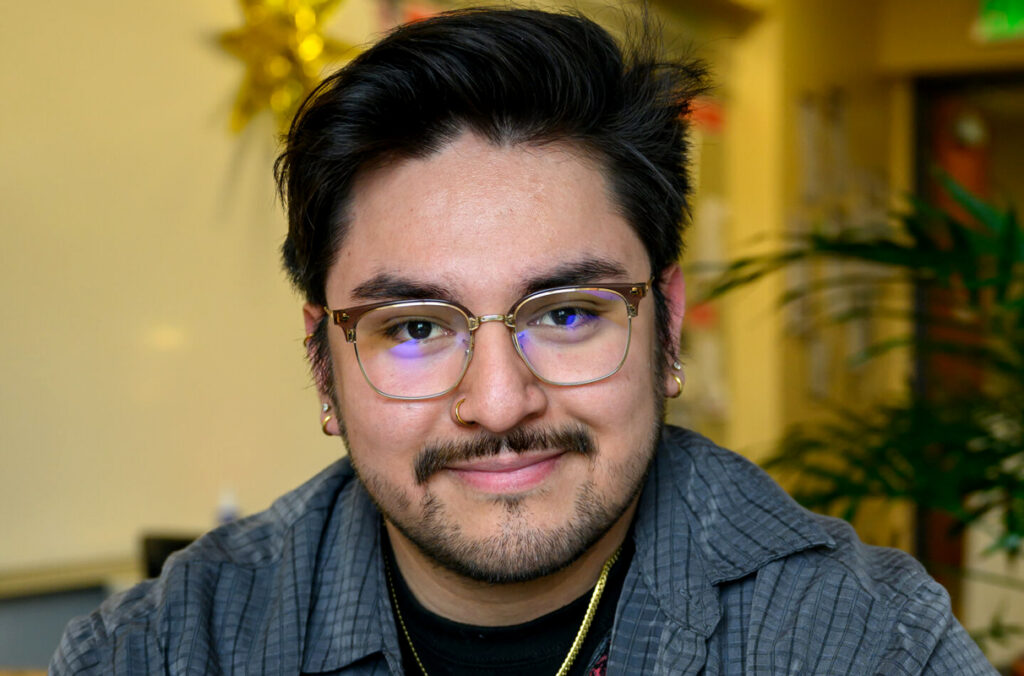
Joan ‘Jo’ Castaneda Gonzalez found wonder in chemistry
After struggling in high school, the honors student and peer mentor found his way at WSU and now wants to help develop the next generation of medicines.
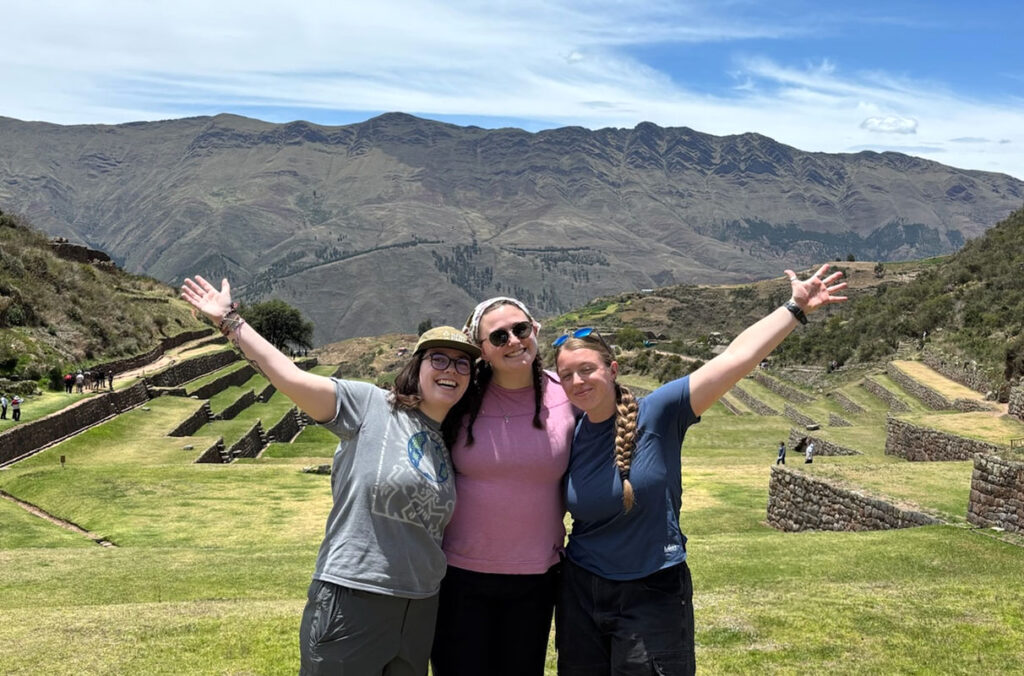
WSU trio learns about Peruvian culture, water resource management during study abroad trip
Three WSU students completed capstone projects, heard about environmental challenges, and learned about Indigenous knowledge during their time in the South American country.
WSU lands $1.4M DOE grant to train next wave of nuclear workers
The grant will help expand WSU’s nuclear training capabilities, supporting a new “Reactor Ready” initiative aimed at preparing students and other workers for careers in the nation’s nuclear energy sector.