Dr. Universe explains how wind moves
With help from WSU atmospheric scientist Jun Meng, Dr. Universe explains that wind is air moving from areas of high pressure to areas of low pressure.

With help from WSU atmospheric scientist Jun Meng, Dr. Universe explains that wind is air moving from areas of high pressure to areas of low pressure.
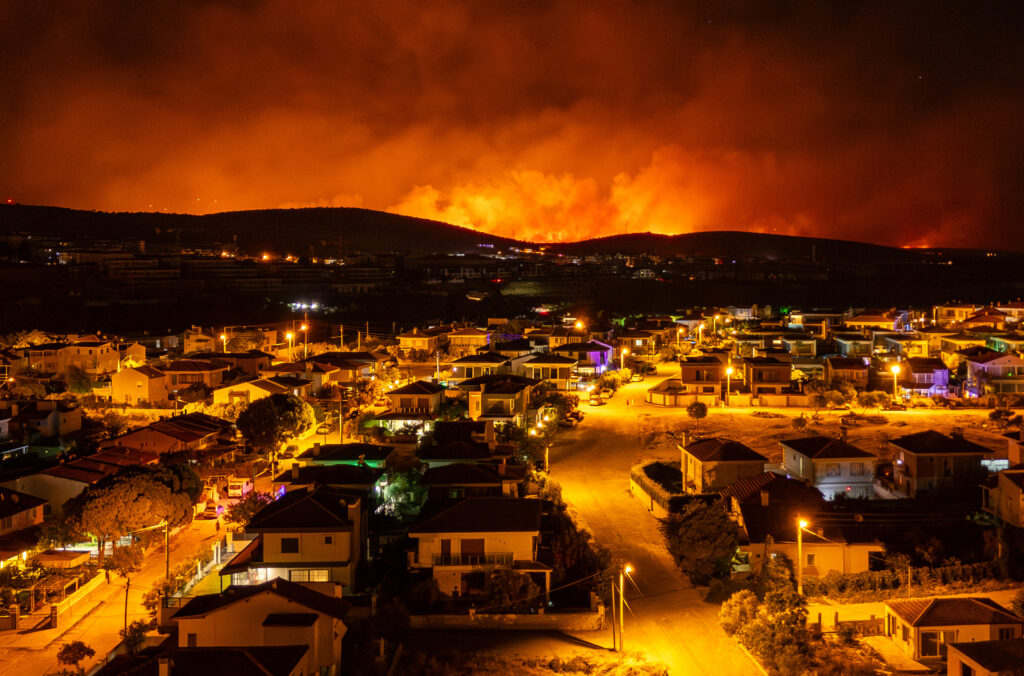
WSU researchers developed formulas to evaluate the effectiveness of subsidies in persuading homeowners to prepare for wildfires.
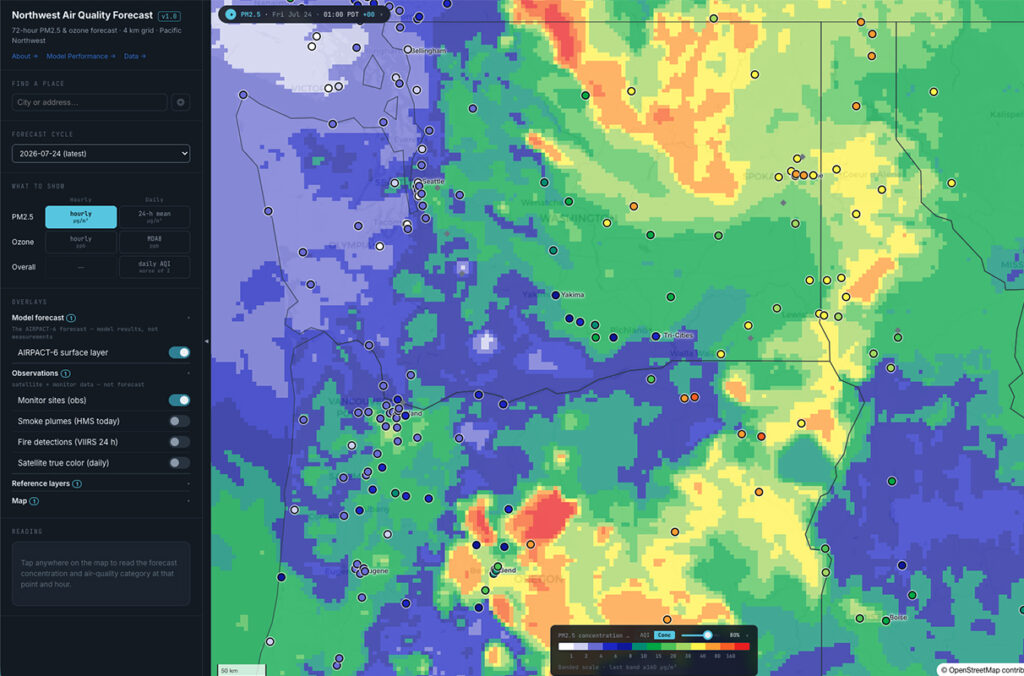
The AIRPACT6 tool can provide targeted 72‑hour forecasts for particulate matter and ozone levels, among other data.
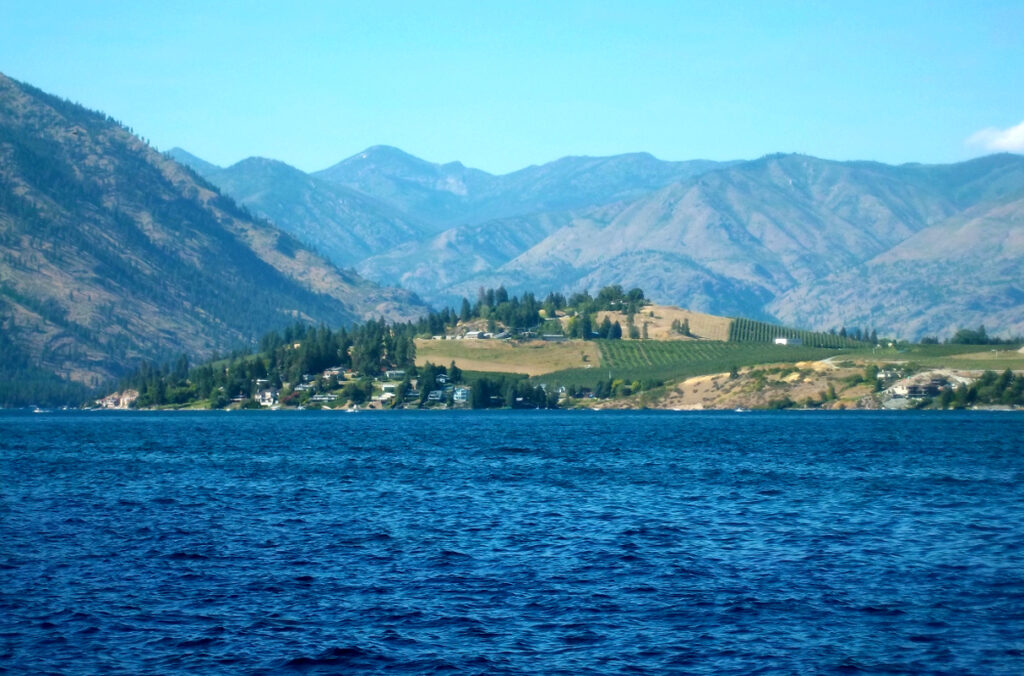
The new report helps policymakers prepare for vulnerabilities to Washington’s water supply, including pressures from increasing frequency of back-to-back droughts.
The United States could feasibly produce enough sustainable aviation fuel to meet roughly two‑thirds of its 2030 federal target, but getting there will require overcoming major hurdles, according to a new WSU‑led study.
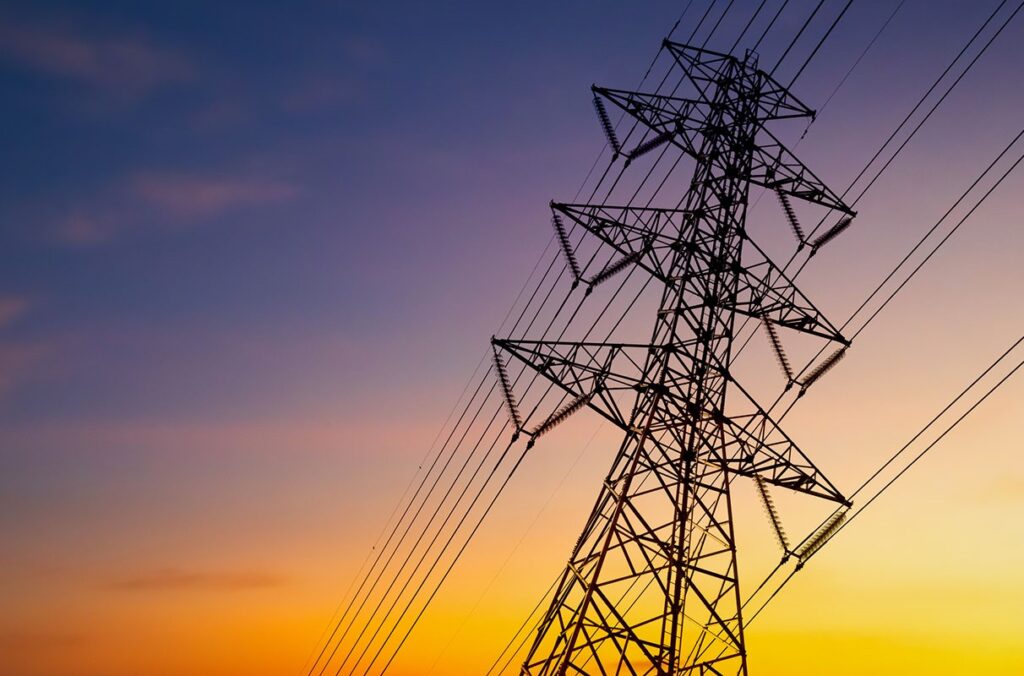
A model developed at WSU can predict which energy transmission towers in a network are vulnerable to collapsing and causing outages in extreme weather.
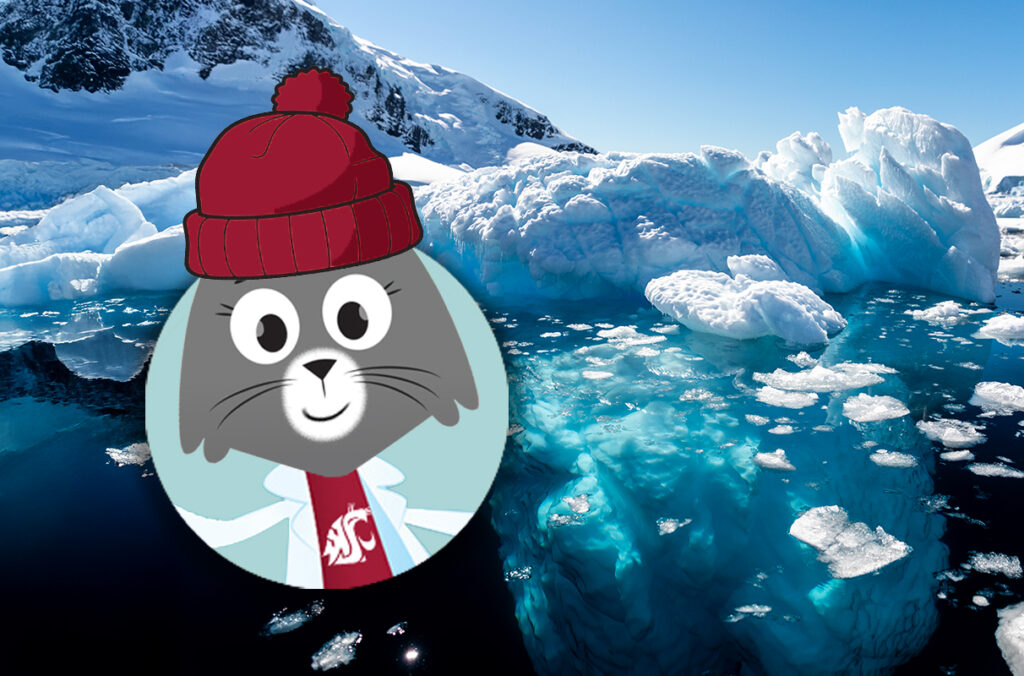
WSU’s resident feline scientist travels to the frozen edges of the planet to answer a question from Kenton, an 8‑year‑old from Washington state: What creates icebergs?
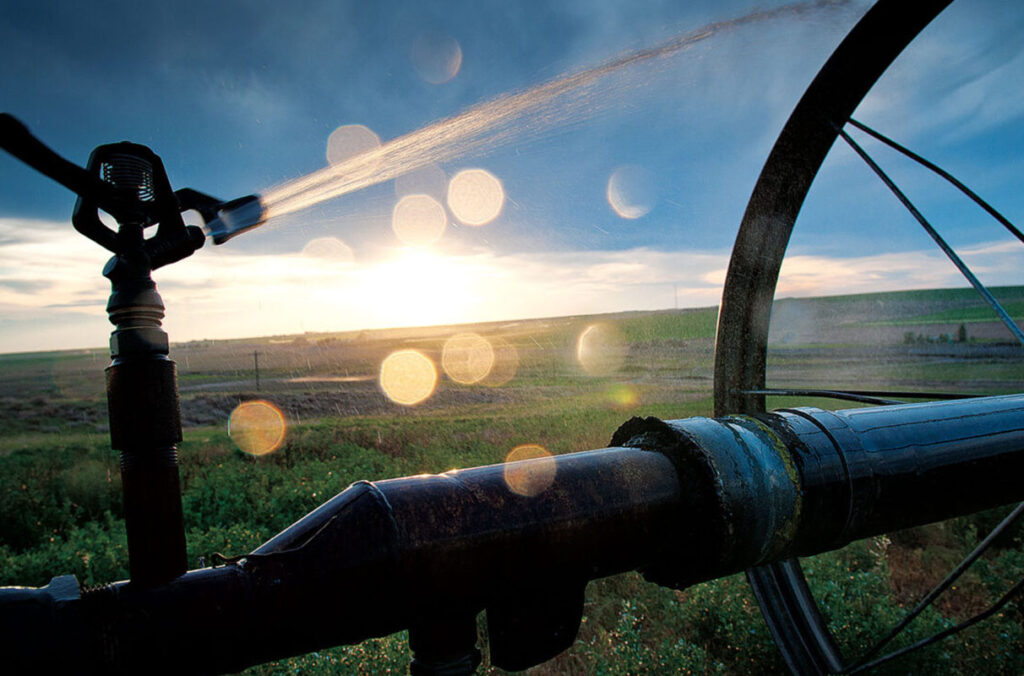
As groundwater that supports billions in crops declines, WSU researchers are working to understand and protect the Northwest’s vital aquifer systems.
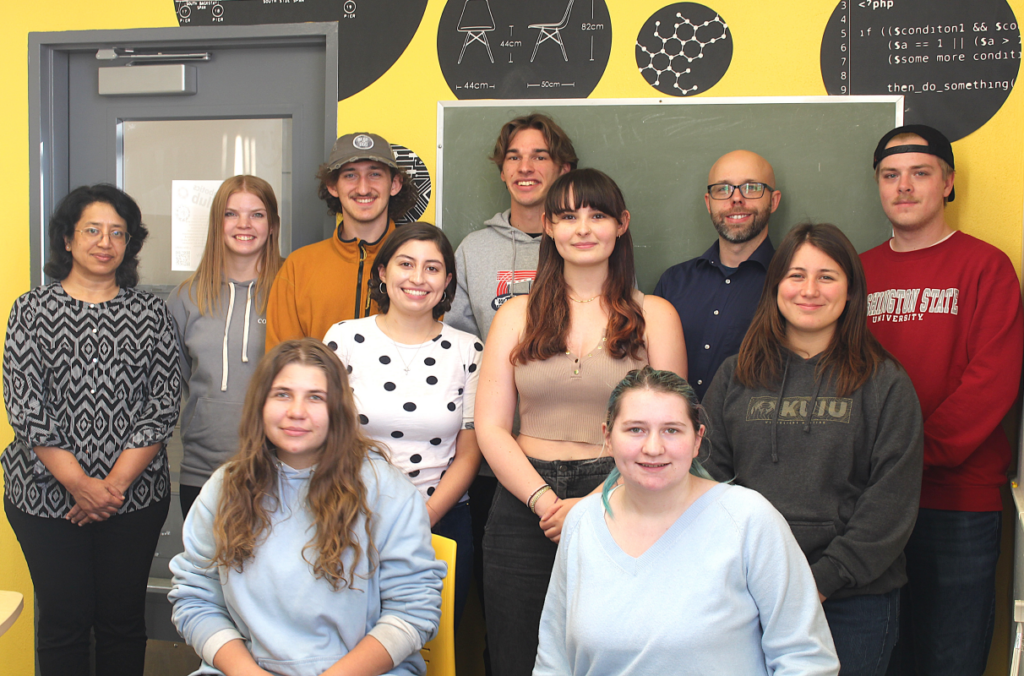
Members of WSU’s student chapter of Engineers in Action recently developed and are now building an awning for Moscow’s Disability Action Center Northwest.
Professor Jobson steps into his new role after serving as interim chair since June. His research for the department has helped improve understanding of air pollution.
