Physicians and clinicians face an ongoing challenge: to keep up with increasingly stubborn, resistant bacteria that cause significant infections. The more exposure bacteria have to our available antibiotics, the higher their chances of evolution into a resistant form, with serious effects on medical care.
The heavy use of antibiotics, from hand soap ingredients to prescriptions, for conditions that won’t even respond to an antibiotic is fostering the proliferation of these heavy-duty bugs. Over the past 10 years, the number of resistant bacteria has proliferated at an alarming rate.
One mechanism of response is to reduce the overuse of antibiotics in general — something we can all help with, in the interest of more appropriate treatment and the health of the environment.
Another important approach is to make sure the antibiotics used are the ones most effective in killing the bacteria causing the infection. A targeted antibiotic that does the job right and knocks out all the bacteria stops that organism’s opportunity to learn and evolve into a stronger form that poses a more serious health risk.
And how do we learn which ones work best? That’s where the microbiology testing by associate professor Mark Garrison, pharmacotherapy, comes in.
Garrison received a 2004 WSU Spokane seed grant for his study of a new investigational agent called tigecycline. Early-stage testing indicates that the drug may be effective against certain forms of resistant bacteria, but more information is needed to compare it with established medications.
Traditional in vitro susceptibility testing methods are limited, in that bacterial isolates being tested are exposed to static concentrations of antimicrobials. In an actual patient (in vivo), concentrations of antimicrobials achieve a peak concentration within the body and gradually decline over time based on their pharmacokinetic properties.
Garrison uses a mechanical glass model known as an in vitro pharmacodynamic modeling apparatus (PDM). The PDM was specifically developed to determine how well an antibiotic can kill bacteria over time by simulating the concentrations of antibiotic one would expect if a dosage of the antibiotic were given to an actual patient.
Only a limited number of investigators utilize this methodology, making the PDM an innovative and important research tool. According to Garrison, one of the original designers of the model, it requires custom fabrication by a glass blower. Around the world, around a dozen or so researchers publish investigations of antibiotic action based on use of the model.
In his research, Garrison will use the mechanical model to compare the activities of tigecycline and other antibiotics frequently used to treat infections involving resistant bacteria.
The central purpose of the WSU Spokane faculty seed grant program is to encourage faculty to develop research programs in Spokane that have the potential for extramural support, in particular from significant federal agencies. Their research will provide preliminary data to support applications for such funding.
Next Story
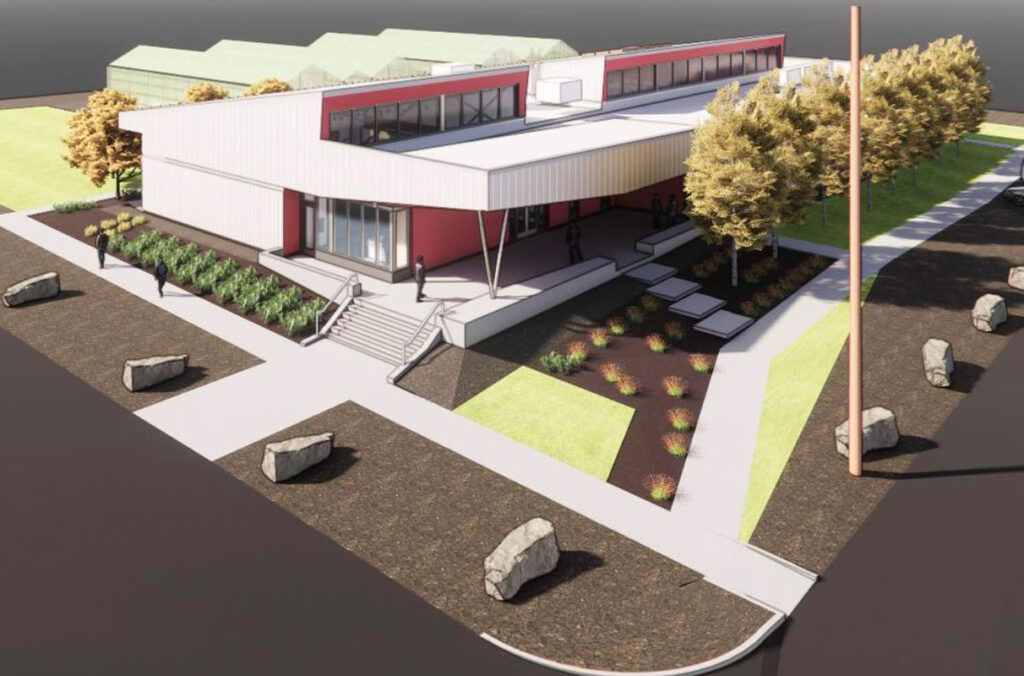
Construction begins for new WSU Plant Growth Facility
Construction of the $18 million, 24,000-square-foot facility is expected to wrap up in a year, with an opening planned for summer 2027.
Recent News
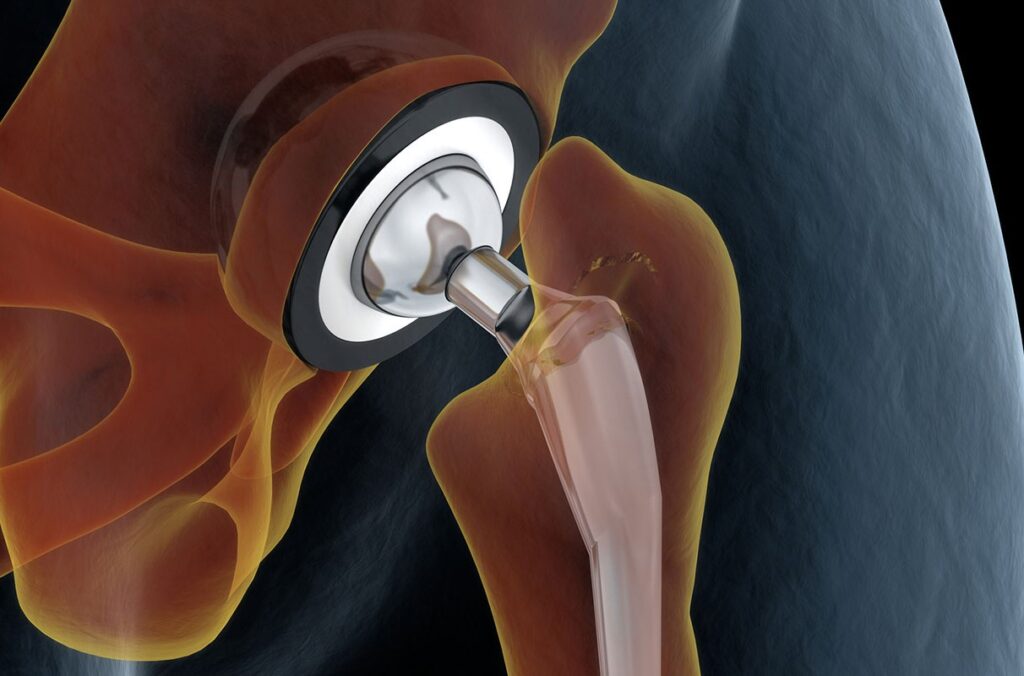
Turmeric/ginger extract shows benefits for bone implants
Drawing on ancient medicinal practices, researchers show the extract improved bond bonding as well as killing bacteria and cancer cells.
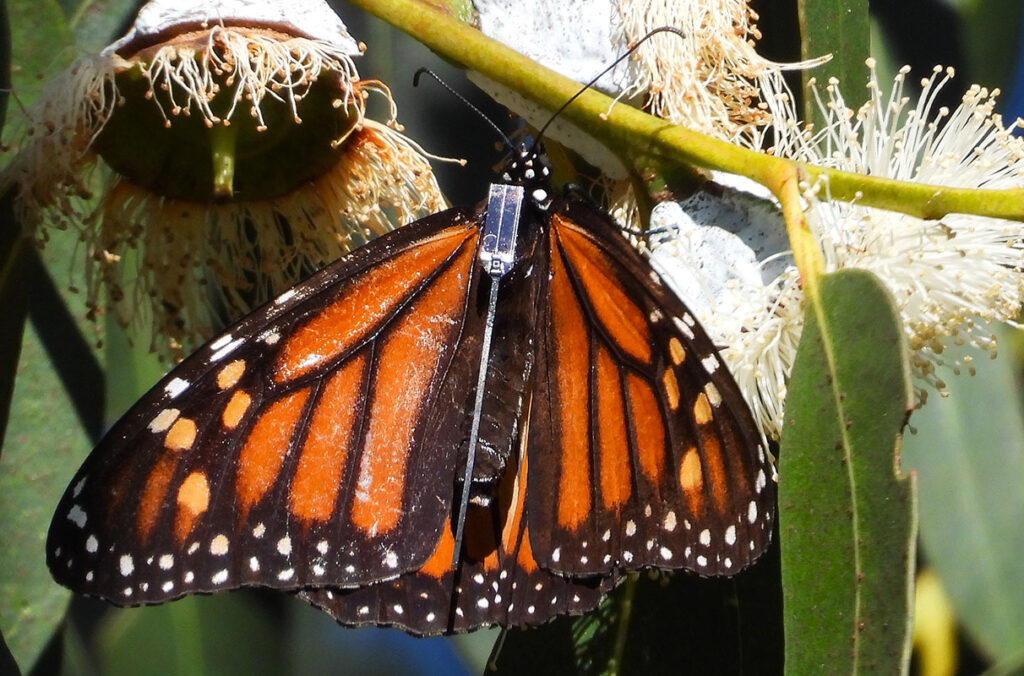
New tech allows WSU professor to boost tracking of monarch butterflies
New high-tech tracking tags are helping a WSU scientist follow monarch butterflies in near real time, offering new clues about their mysterious migration routes and how to better support their survival.

Deadline to test AI scholarly search tools fast approaching
Faculty, staff and students have a limited time to test and provide feedback on three artificial intelligence-powered research platforms currently being trialed by Washington State University Libraries.

WSU hosts 50th Murrow Symposium on April 6, featuring industry leaders and livestream access
Over three days, the symposium will feature keynote speakers, nationally recognized journalists, industry panels, and interactive student experiences.

Carson GPS: Creating a buzz in the greater Puget Sound
A new Carson College initiative is expanding its presence in the Puget Sound by strengthening ties with alumni, major employers and regional business leaders to boost workforce development and engagement.
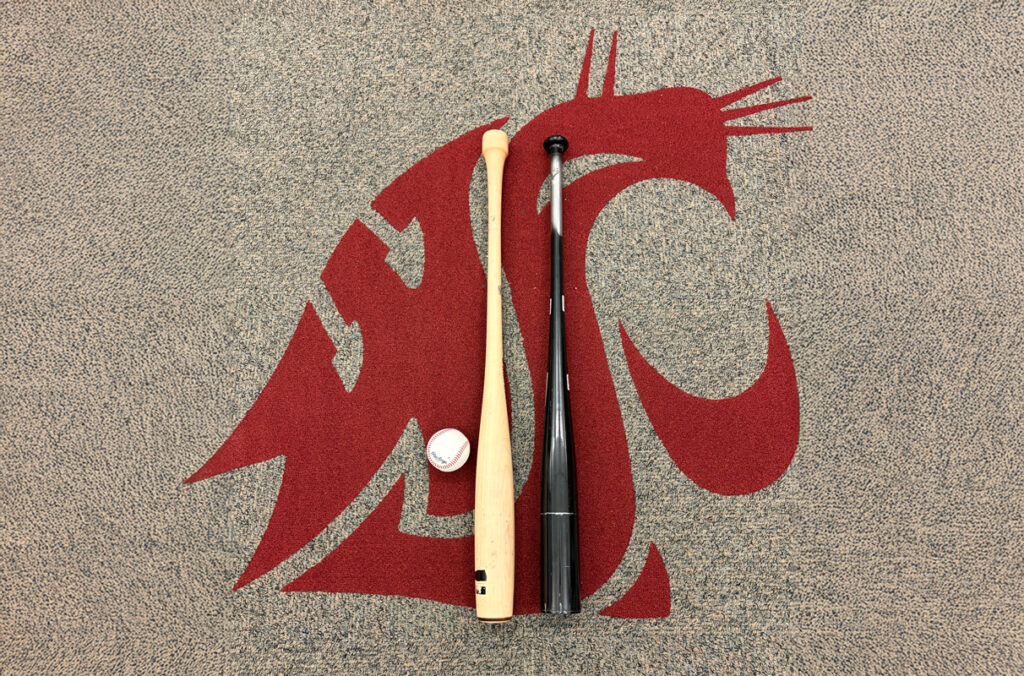
Science confirms torpedo bat works as well as regular bat
Lab tests show the much-hyped torpedo bat offers no real power advantage over traditional designs, with only a slight shift in the sweet spot that may suit certain hitters.