Washington State University alumni returned to Pullman this week to mentor veterinary students through one of the College of Veterinary Medicine’s longest-running traditions, but they didn’t come alone.
Several brought family members to role-play as simulated clients in a series of clinical cases known as the Diagnostic Challenge, giving them and their parents the chance to train the next generation of WSU veterinarians together.
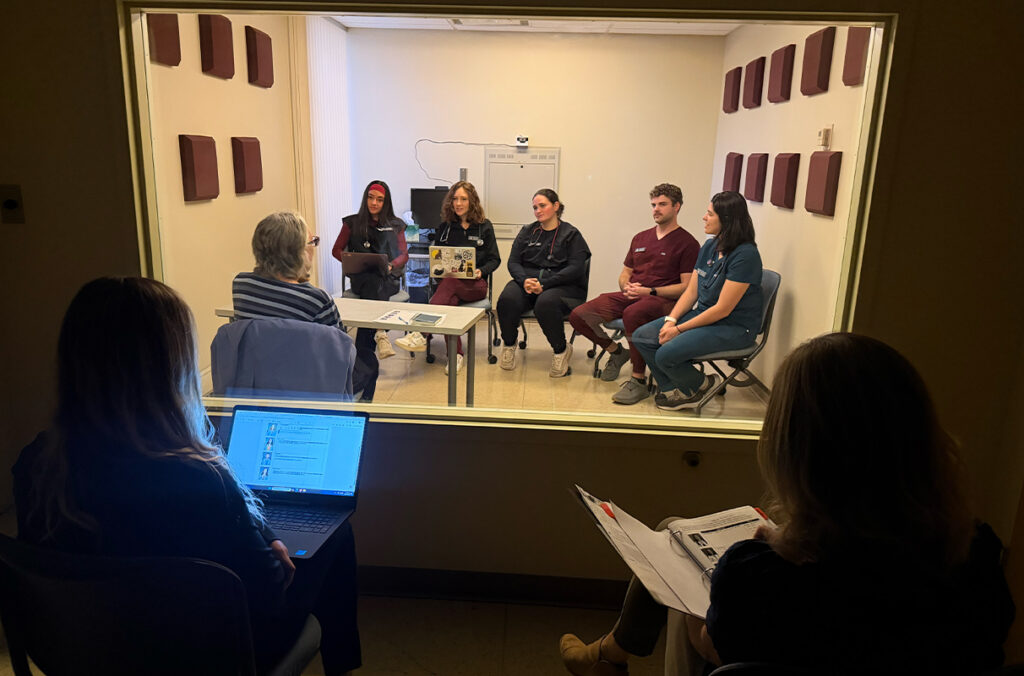
Since 1991, the weeklong program has challenged second-year veterinary students at WSU with complex clinical cases, simulated patients, and realistic client interactions. Practicing veterinarians – the majority of them WSU alumni – spend the week mentoring small groups of four to five students as they work through cases developed by third-year veterinary students with the guidance from faculty and practicing veterinarians.
Now in its 35th year, the tradition brought back alumni Dr. Brianna Brandt (’18 DVM) and her mother Kathy, Dr. Michelle DeCourcey (’13 DVM) and her mom Patti, and Dr. Larisa Estrada (’21 DVM) and her mother Alisa.
For visiting alumni, returning to Pullman as facilitators means stepping back into a role that helped shape their own veterinary careers.
Larisa, making the trip with her mother from New Mexico, said the return carries a personal connection because she remembers the lessons she learned as a student.
“The Diagnostic Challenge was really valuable because it was the first time I had to be the doctor,” Larisa said. “You had to work through a case step by step, talk to a client, figure out what diagnostics you needed, interpret the results and then figure out what you were going to do next. It really helped me learn how to work through a case and communicate with a client.”
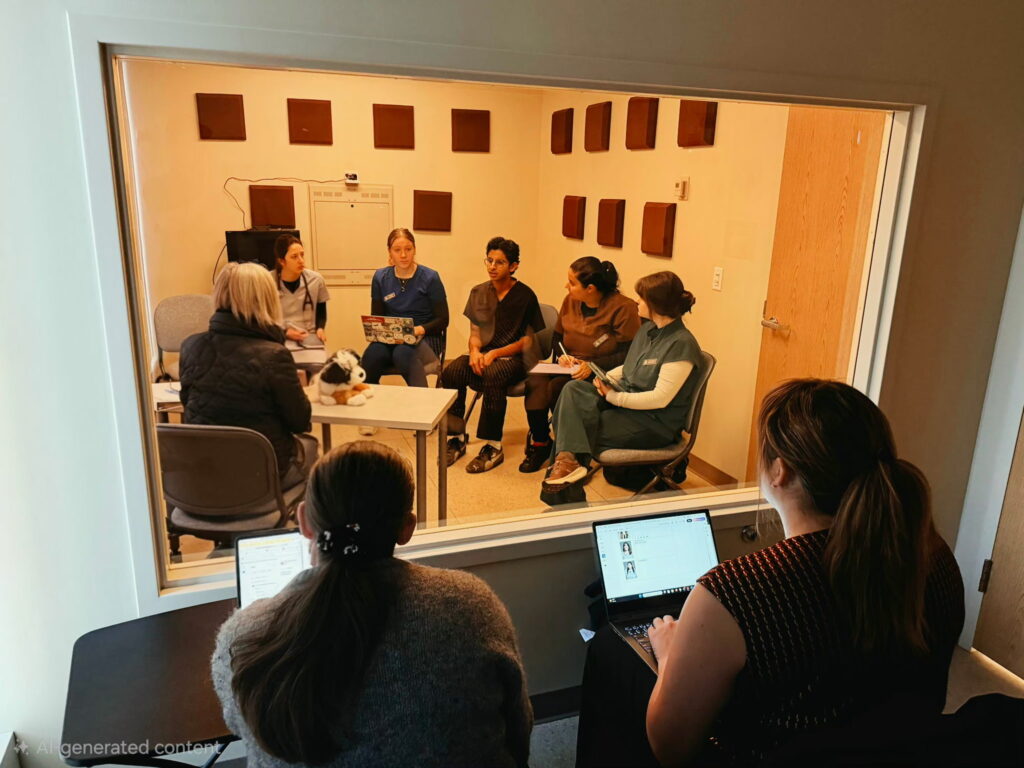
While Michelle has served as a facilitator previously, this week is Larisa and Brianna’s first time serving in the role, and both are approaching it with excitement – and, in Larisa’s case, some nerves.
“I’m more nervous to make sure I do better for them, so that I’m giving them the best advice for the students, so that they have as great of an experience as I did,” Larisa said.
Brianna, making the trip from Denver, is looking forward to experiencing Diagnostic Challenge from the other side and mentoring veterinary students – especially with her mother alongside her.
“I want to be able to give back to the school that helped me become a doctor and to help students learn the way I did,” Brianna said.
For Alisa, who has participated in the Diagnostic Challenge four times previously and returned as a simulated client this year for a fifth time, the exercise is also a way to help another generation of students.
“If somebody had an impact on her, maybe I could help provide that impact to another student as well,” she said.
Brianna’s mother Kathy is returning for many of the same reasons.
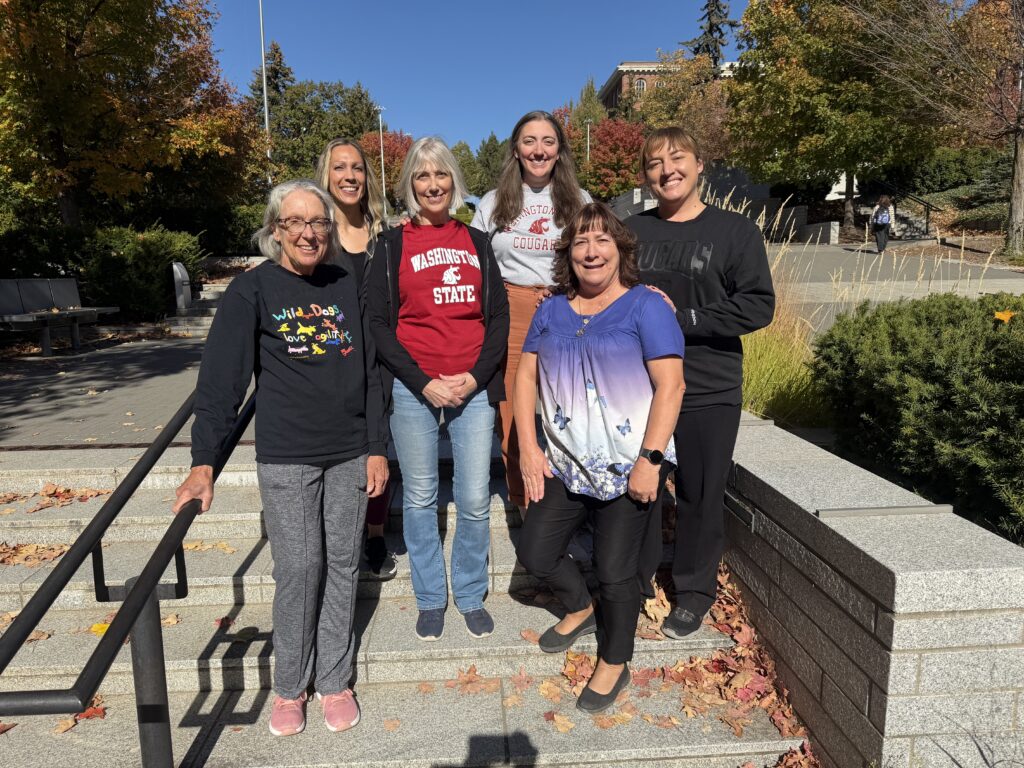
“I like the role-playing part. You get your own little stuffed animal, you get to love on it, and you have all the facts you’re supposed to provide to the groups,” Kathy said. “I also enjoy getting to know the students. Even though they’re in groups, you get a sense of how they approach things, how they organize their thoughts, and how they relate to other people.”
Michelle said returning is important to her because the Diagnostic Challenge gave her an opportunity to move beyond the classroom and begin applying the clinical reasoning and communication skills she would later use in practice.
“I think my DC experience gave me a great foundation for communicating with clients and documenting cases, which gave me confidence in those skills and in my ability to think through cases when I got to clinics and later started my first job,” she said.
She admits, though, there’s something special about doing it alongside her mom.
“I think it will be neat for her to have a little peek into what I do,” Michelle said.
And after benefiting from the program herself, Michelle said volunteering now feels like a chance to give back to a program that helped prepare her for life beyond veterinary school.
“I am surprised that the Diagnostic Challenge, something that takes students away from the classroom, has been able to be sustained for so long. I think it speaks to great leadership and how impactful this program is for students,” Michelle said. “I invest my time and money to support this program because I want to see it keep going. I am proud to give back in this way and hope that the support that this program gets from students, alumni, and faculty will ensure that program continues to be a great experience for students for many more years to come.”