The federal framework that supports billions of dollars of publicly funded research has been shaken by uncertainty amid a torrent of executive orders, agency guidance, and legal challenges.
Fortunately, WSU’s team, in cooperation with peers and trade associations, are banding together to advocate for the vital research being conducted across public institutions.
Their advocacy is having an impact.
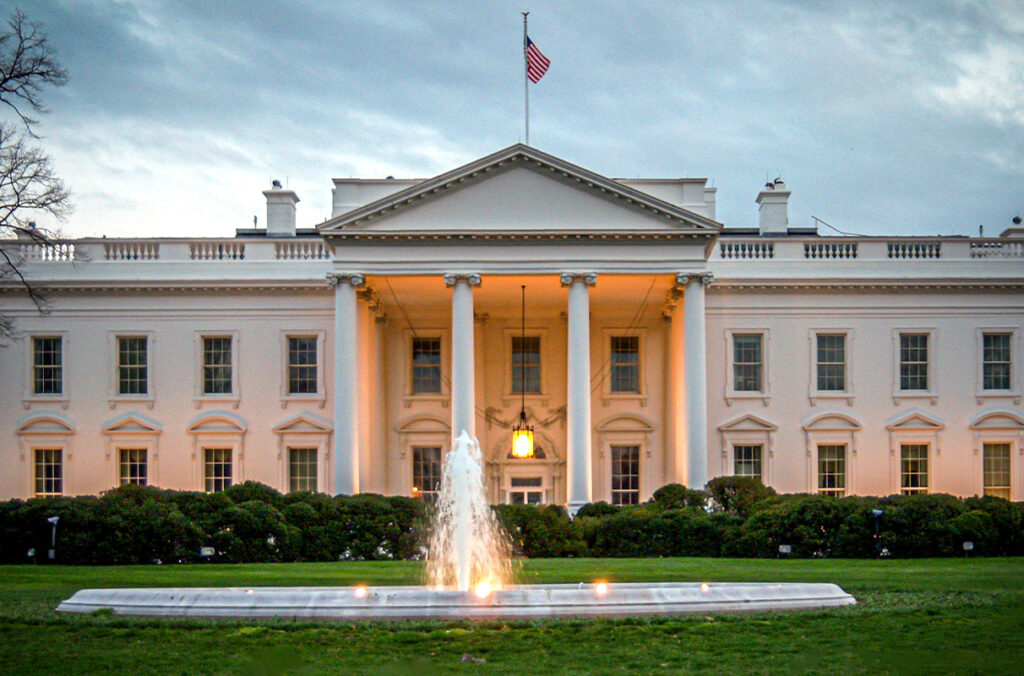
On March 5, U.S. District Court Judge Angel Kelley indefinitely blocked the lower cap sought by the White House on indirect cost reimbursements paid by the National Institutes of Health to institutions of award grantees. This money is vital to maintain the country’s public research infrastructure, though as regents heard from WSU leaders, it doesn’t cover nearly all of the required expenses.
In her order, the judge cited a declaration from Leslie Brunelli, WSU’s executive vice president for finance and administration and chief financial officer, who highlighted how proposed changes would hinder potentially lifesaving research.
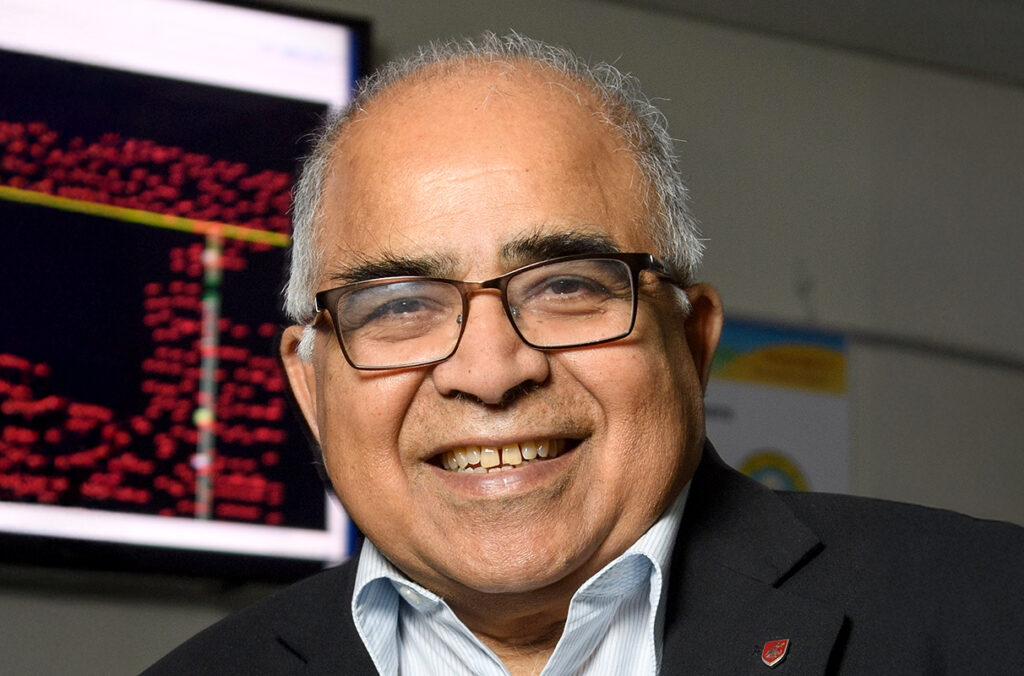
“For instance, one ongoing NIH-funded study in the College of Art and Sciences deals with the Sharma Lab’s Targeted Nanotherapies for the Treatment of Prostate Cancer, and focuses on developing a novel treatment of advanced prostate cancer. If the study is not completed, this novel form of cancer therapy will not be investigated and developed into a drug to help treat the second leading cause of cancer-related deaths among men in the U.S. Importantly, the Sharma lab has already developed nanotherapeutics and is actively testing them on prostate cancer cells and organoids.
Brunelli continued, “This is time-sensitive work, and any disruption would result in immediate and potentially irreplaceable data loss on these active tests, which would delay and could ultimately eliminate the viability of the treatment they are researching.”
The estimated cost of this lower reimbursement rate, also referred to as F&A, would be nearly $5 million per year for WSU. If all federal agencies funding research did the same, the loss to WSU would be an estimated $23.5 million this year alone.
Successes like these have come thanks in large part to the advocacy of public research universities as well as legal challenges to executive actions and federal agency directives.
Many questions about how shifting federal priorities will affect WSU and its peers remain, however.
The latest information on how research at WSU is being impacted by the shifting landscape among federal agencies that support research was presented to the university’s Board of Regents by WSU leaders at a series of meetings March 6-7.
Grant terminations and stop work orders
So far this year, eight active grants awarded to WSU have been terminated, including all seven from the United States Agency for International Development, or USAID. The total balance of previously awarded funding WSU was set to receive exceeds $3.5 million, Vice President for Research Kim Christen told regents on March 6.
Fortunately, a recent Supreme Court ruling allows WSU to bill for work on these grants conducted through Feb. 14, with the total the university expects to receive exceeding $734,000.
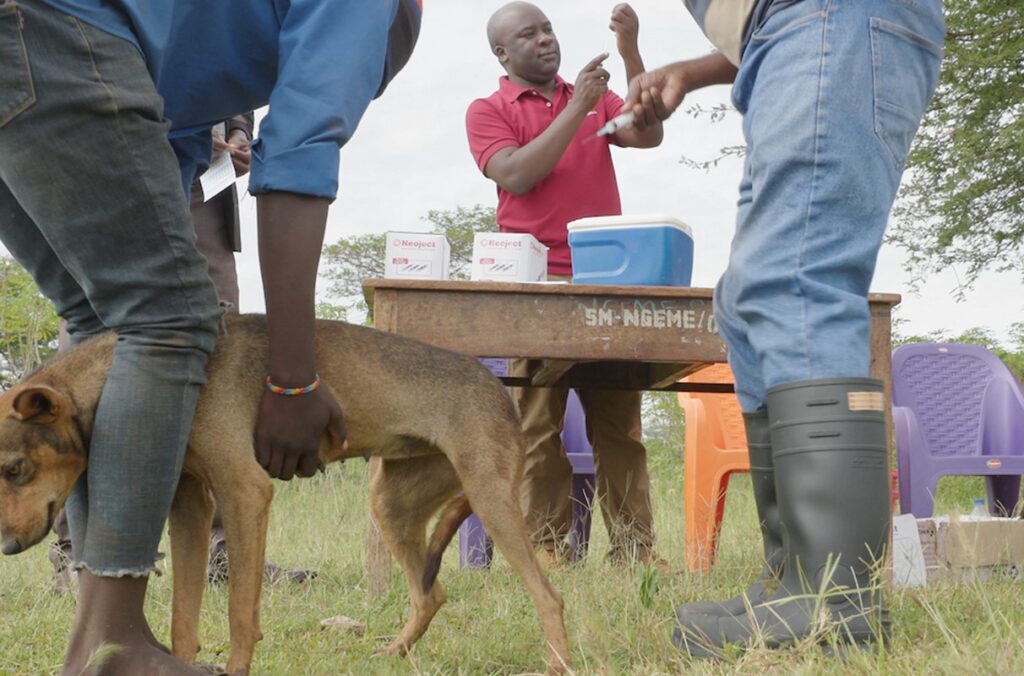
Faculty, staff and graduate students from the Allen School for Global Health that were impacted have been moved to other funding sources to ensure continued employment as leadership for the College of Veterinary Medicine fully assess long-term funding solutions.
The back-and-forth nature of grants being stopped and started has real costs for the university and its employees, Provost and Executive Vice President Chris Riley-Tillman told regents. In the past month, 120 personnel associated with the U.S. Department of Agriculture’s Agricultural Research Service in the region were fired, rehired, and are now on temporary leave. This illustrates the fluidity of the decisions being made by the agency.
The number of grant awards affected by stop work orders continues to shift, Christen said. Currently, four projects funded by federal awards are under stop work orders, with a total frozen balance of more than $2.7 million. The most significant of these projects is related to the Department of Energy’s support for the Pacific Northwest Hydrogen Hub.
Shifting priorities at the federal level are also affecting the number of federal grant awards WSU is receiving this year. Whereas the university received 51 awards in February of 2024, this year the February total was just 30. In spite of this, WSU’s cumulative federal award dollars to-date outpace its total from this time last year.
Christen concluded her presentation to the Board of Regents with optimism, noting that the number of grant proposals submitted by WSU personnel so far this year is outpacing last year.
“That is a good indicator that we’ve not lost morale, that our PIs are still determined, that they’re still out there doing their research,” Christen said. “And when things come back, we’re still going to have grants that are submitted. I don’t think that’s a small thing to skip over.”
Federal appropriations
Another issue WSU is grappling with relates to how Congress plans to fund the government in the short term.
Lawmakers either need to pass an appropriations bill for the fiscal year by March 14, or pass a continuing resolution. If Congress chooses to advance a continuing resolution, four WSU projects slated for the FY25 appropriations bill would not be funded and the process for getting them approved would need to start anew.
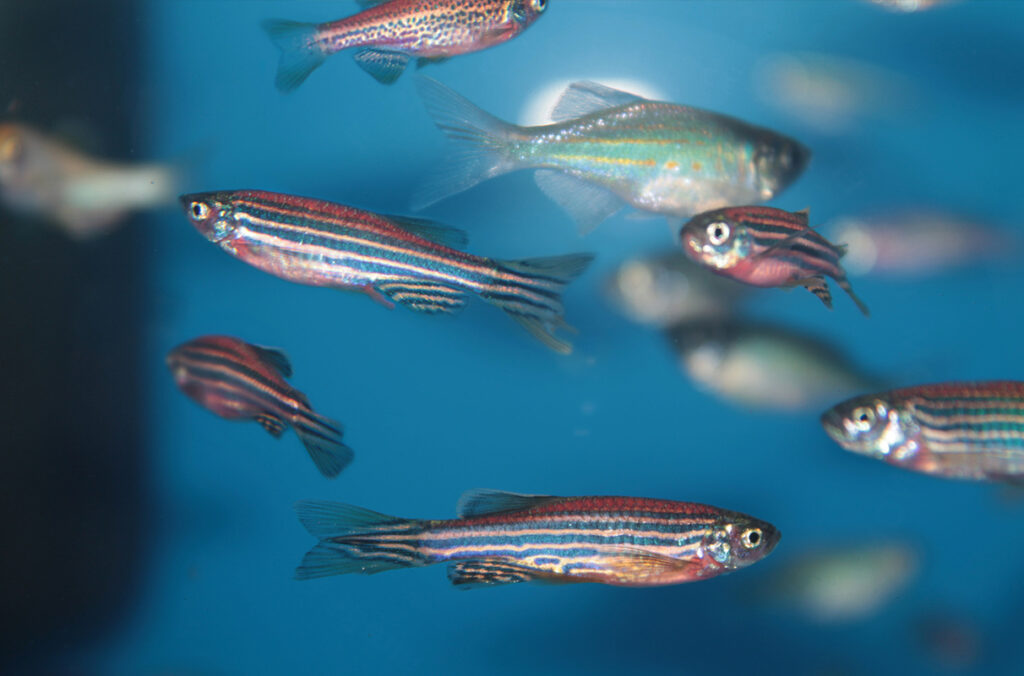
Among the directed funding lost would be $7 million toward the Hot Cell Facility for nuclear materials research in Pullman, $1.42 million for upgrades to WSU’s aquatic laboratory, and more than $2.6 million in artificial intelligence projects.
On the positive side, several projects are expected to receive funding at the same level as last year, including WSU’s projects related to aviation biofuels, functional genomics, and better understanding the effects of smoke exposure on wine grapes, among others.
Diversity, Equity and Inclusion
Public universities, including WSU, are also keenly monitoring federal guidance related to diversity, equity, and inclusion efforts. A recent Dear Colleague letter (PDF) stated that universities risk their federal funding if race is used in decisions relating to admissions, hiring, scholarships, or other university activities.
The ebb and flow of directives and legal challenges prompted university leadership to form a team to monitor the situation. It’s being led by Riley-Tillman in cooperation with members from across the WSU system:
- Glynda Becker Fenter, vice president for external affairs and government relations
- Leslie Brunelli, executive vice president for finance and administration and chief financial officer
- Kim Christen, vice president for research
- Daryll DeWald, executive vice president for health sciences and chancellor, WSU Spokane
- Sandra Haynes, chancellor, WSU Tri-Cities
- Jennifer Klein, interim vice president for human resource services
Updates from the team tackling the federal transition are posted online.
In response to the uncertainty facing researchers, the Office of Research also established a website tracking the latest federal funding updates. That office continues to monitor conditions at the federal level and is regularly updating its website with the latest guidance.
Additionally, WSU’s Office of Compliance and Civil Rights is also encouraging every department to review their programs for compliance with federal and state civil rights laws. WSU is prohibited from discriminating on the basis of race, color, religion, national origin or ethnicity, and sex. Department leaders with questions about civil rights compliance are asked to email CCR, include the subject line “Civil Rights Consultation Requested,” and provide available dates and times.
This article is part of a series focused on the extraordinary challenges facing the university system. WSU Insider, in the weeks and months to come, will continue to examine the headwinds and how the university is preparing.