Join us for the third of five FREE webinars where Washington State University researchers and their collaborators share their findings as they strive to quantify the climate, air, water, nutrient and economic impacts of integrating emerging, next-generation technologies within anaerobic digestion systems on U.S. dairies.
Agronomic Evaluation of Anaerobic Digestion System
Recovered Fertilizers
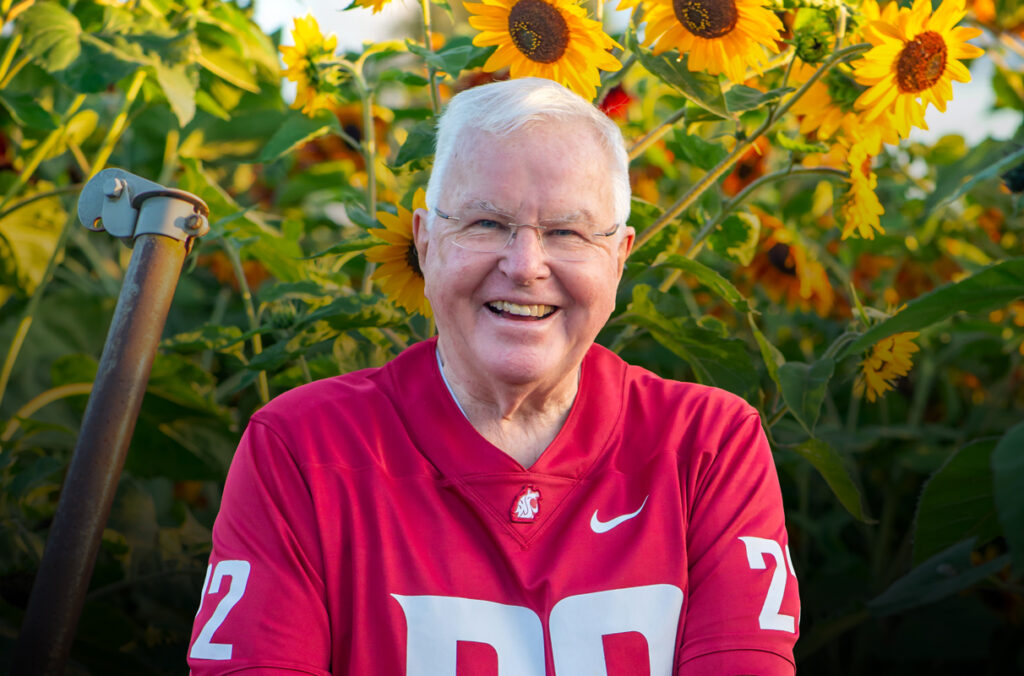
Dr. Harold P. Collins
March 23, at 10 a.m. Pacific/1 p.m. Eastern
Register here
Speaker: Dr. Harold P. Collins, Soil Scientist and Microbiologist at the Grassland, Soil and Water Research Laboratory, U.S. Department of Agriculture’s Agricultural Research Service, Temple, TX.
Webinar description: Increasing public concern about environmental quality and the sustainability of agro-ecosystems has emphasized the need to develop management strategies that protect soil and water resources. The recent use of anaerobic digesters (AD) on Pacific Northwest dairies to mitigate excessive manure storage and produce energy generates substantial amounts of nutrient-rich materials after digestion. Dr. Collins will share research that assesses new products derived from AD treatment of dairy and poultry wastes, with a particular emphasis on the dynamics, availability and uptake of phosphorous (P) from P-enriched materials recovered from anaerobic digesters. Dr. Collins will discuss the opportunities and challenges related to using animal wastes as fertilizers without the need for composting in the Pacific Northwest.
Please share this announcement widely!
Apologies for cross postings.
Click here for recordings of the previous webinars and details on upcoming webinars in this series