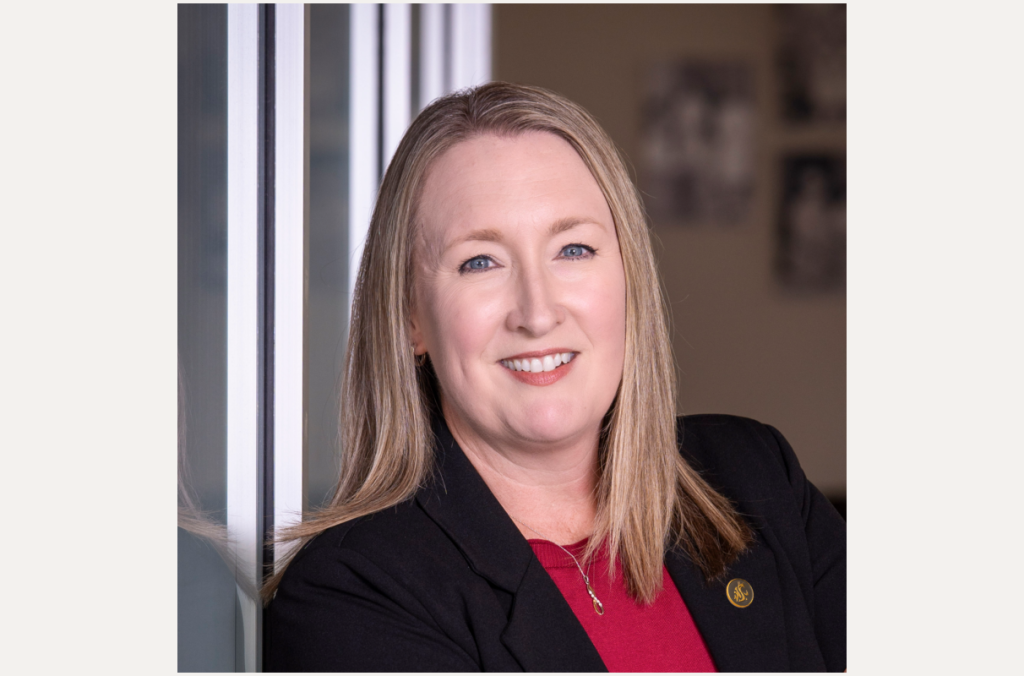
SPOKANE, Wash. – In the absence of consistent counseling from healthcare providers, women who are pregnant or breastfeeding are getting information on using cannabis from the retail marijuana workers known as budtenders, according to a study led by Celestina Barbosa-Leiker, vice-chancellor for research at Washington State University Health Sciences.
Cannabis use among pregnant women is up sharply, with past-month use nearly doubling to 7% and daily or near-daily use tripling to 3.4% from 2002 to 2017, a previous study found.
Education for healthcare providers and for budtenders hasn’t kept pace. Both groups in the study, published in The American Journal of Drug and Alcohol Abuse, said they wanted more information on interacting with pregnant and nursing women about their cannabis use.
Barbosa-Leiker said it’s in patients’ best interest that such training be provided.
“We need to use all approaches and all people in the patient’s life to help them,” she said. “There is such limited research with budtenders, but they need to be part of this conversation because they are seen as trusted sources by their customers and our patients. We need to engage with them because that’s where the information is being disseminated.”
The study interviewed 10 healthcare professionals, primarily nurses, and 10 budtenders in Washington state about their opinions and perceptions on perinatal cannabis use. Recreational marijuana has been legal in the state since 2013.
Besides a desire for more education and training, both healthcare providers and budtenders agreed that pregnant and breastfeeding women mainly use cannabis to relieve nausea, anxiety, pain and stress rather than for recreation.
Healthcare providers, however, said they had a negative opinion of the effects of cannabis use among those patients. While they said they try to be nonjudgmental in talking to their perinatal patients, they follow national guidelines in advising patients to refrain from using cannabis during pregnancy and while breastfeeding, similar to their advice about alcohol and cigarettes.
Budtenders had a much more positive view of cannabis use during pregnancy and nursing, perceiving marijuana as a natural substance that’s safer than perinatal alcohol or cigarette use.
They also tended to take a harm-reduction approach, recommending lower-THC products for pregnant and breastfeeding customers. Healthcare providers were much more binary; they didn’t perceive cannabis use on a spectrum, but rather as a choice between no use, or very heavy use.
A patient who feels stigmatized by her healthcare provider or whose provider doesn’t have any information or guidance on cannabis use might turn to a budtender for advice, Barbosa-Leiker said.
She added that she sympathizes with the budtenders, because pregnant and nursing women are coming to them for guidance. One budtender participant said they have to rely on “stoner science” of largely unverified claims, or Google searches, to help those customers.
Said the study, “Budtenders also need training on cannabis products and request training on how to best serve perinatal customers.”
The best scenario would be for women who use cannabis to feel as comfortable talking to their healthcare provider about that choice as they do their budtender. That will take training in how to ask the right questions the right way, Barbosa-Leiker said, adding, “With that additional training, I think those conversations can happen in a more nonjudgmental way, in a harm-reduction way, and hopefully trust will be built.”
Media Contacts
- Addy Hatch, University Marketing and Communications, 509-324-7340, addy.hatch@wsu.edu
- Celestina Barbosa-Leiker, Vice-Chancellor for Research, WSU Health Sciences, 509-324-7477, celestina@wsu.edu