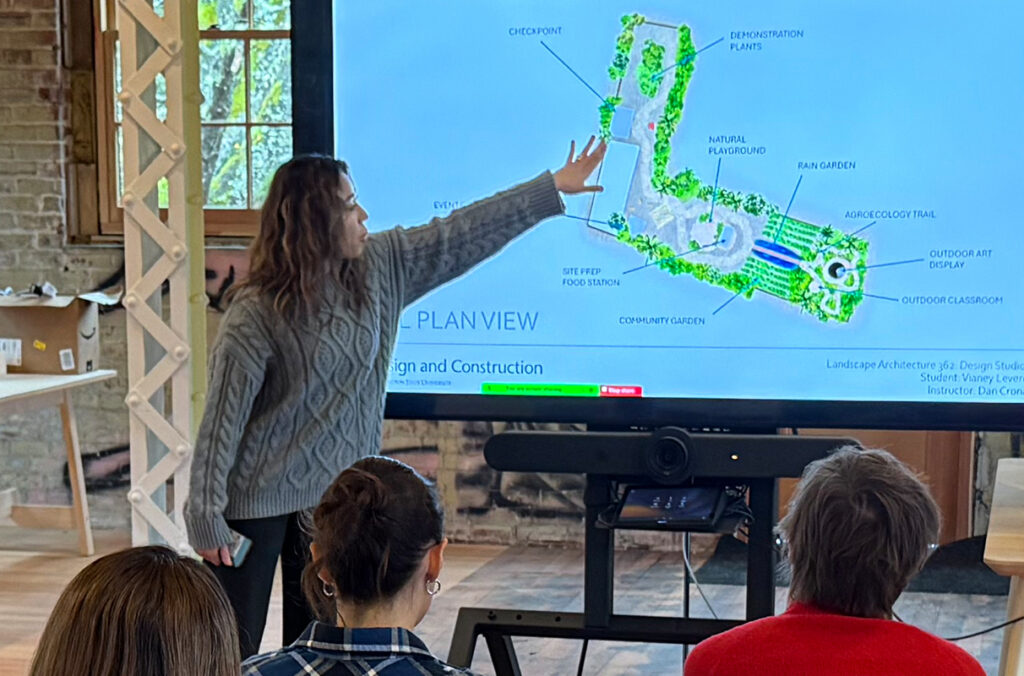
A unique international collaboration is giving Washington State University landscape architecture students the chance to shape a community-centered agricultural future in Liberia.
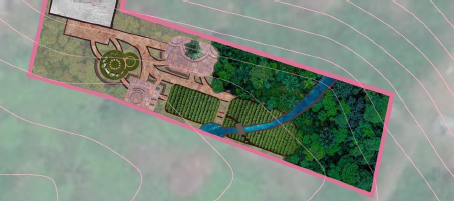
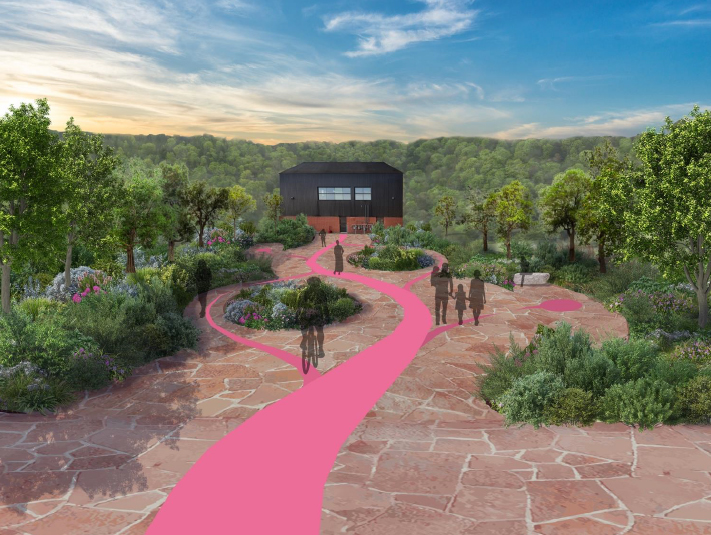
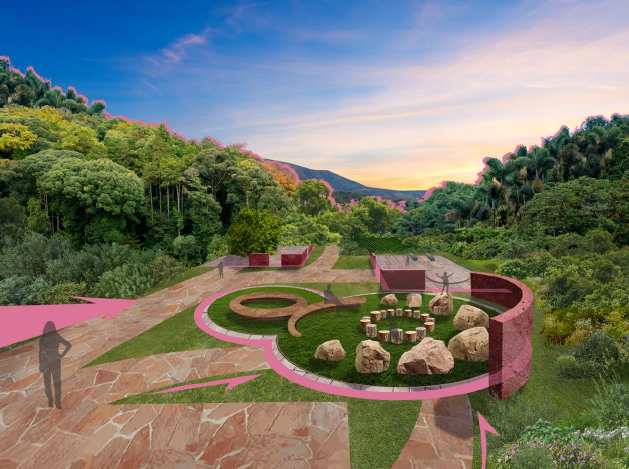
In partnership with Perkins & Will Architects and Women in Agriculture for Sustainable Development (WASUDEV), the third-year students spent the fall semester designing a landscape plan and regenerative agriculture demonstration site for a new “food hub” in Careysburg, Liberia. The project was led by Dan Cronan, assistant professor in WSU’s School of Design and Construction.
WASUDEV, a women-led agricultural cooperative based in Monrovia, approached the partners seeking designs for a space where local women farmers could store produce, start seedlings, and maintain a community seed bank — critical needs in a region facing monsoons, drought cycles, and limited access to traditional grocery markets.
Working remotely from Pullman, the students quickly learned to navigate unexpected challenges. Limited on-the-ground data made typical landscape analysis methods difficult.
“It was their first time designing internationally — with limited resources and without visiting the site,” Cronan said. “They had to be resilient, creative, and adaptive.”
To better understand the landscape, the students relied on community input. The women’s cooperative filmed detailed site walkthroughs while interviews and surveys guided the team’s early planning. Students first worked in groups and then broke into individual projects to produce conceptual schematic designs.
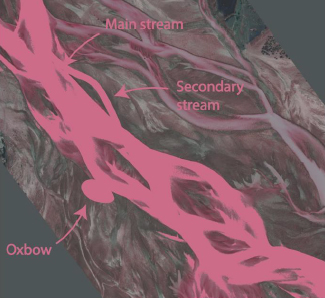
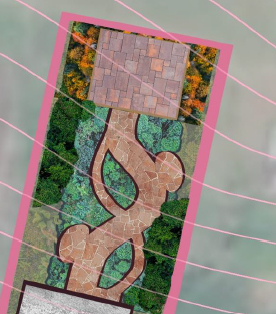
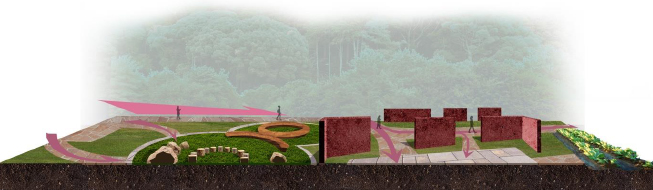
For many students, the partnership offered a first glimpse into professional practice.
“They had to shift their thinking from beautification to function, designing exactly what the community needs,” Cronan said.
“It was difficult to ground the Liberian site because I couldn’t visualize anything at scale,” added Christina Torres, one of the eleven students who worked on the project. “Creating a catalog of regional plants, their uses, habitats, and characteristics, was incredibly helpful visually.”
Beyond landscape planning, students explored regenerative agriculture, traditional ecological knowledge, and low-cost, sustainable design methods suitable for regions with limited funding and infrastructure.
Students will submit their designs, complete with 3D models and perspective drawings to Perkins & Will. Cronan and the architects will then select the most feasible concepts, refine them, and package the final plans for WASUDEV.
The finished materials will include a website and a step-by-step project document to guide local contractors in Liberia who are already lined up to build the hub.
“It’s a meaningful contribution to a community that’s asked for support,” Cronan said. “And it gives our students a transformative experience, one that goes far beyond the classroom.”