An ongoing program from Washington State University is providing free mental health assistance to farmers. Washington’s Farm Stress Counseling Voucher Program is led by WSU Skagit County Extension and utilizes the WSU Psychology Clinic to deliver telehealth appointments to farmers who request stress-related counseling. The program is available free of charge to all farmers and farmworkers in Washington state, including those in the forestry and shellfish industries.
It provides six free tele-health sessions with a licensed clinical psychologist and doctoral candidate student trainees based in the clinical psychology program. Each session is approximately 50–60 minutes over a Zoom call, and scheduling hours are flexible.
Farming has consistently ranked as a stressful occupation in America, with farmworkers regularly having to deal with seasonal weather patterns, fluctuating commodity prices, and mechanical maintenance issues. Sometimes these pressures can compound into elevated stress levels or conditions like heart disease and hypertension. As a result, agricultural workers have some of the highest rates of suicide of any industry or profession.
Farming has consistently ranked as a stressful occupation in America. As a result, agricultural workers have some of the highest rates of suicide of any industry or profession.
“You can imagine, if you have millions of dollars on the line as a large-scale commercial farmer, you want somebody that understands the language that you’re talking,” said Don McMoran, director of WSU Skagit County Extension and the Farm and Ranch Stress Assistance Network, which helps organizations across the country, as well as overseas, to address the pressures face by agricultural workers. “Being able to provide services in a telehealth scenario and having providers throughout the West that can ‘speak farmer’ is very important.”
In 2018 the Washington State Legislature passed House Bill 2671, funding a pilot program for behavioral health support for farmworkers and addressing the urgent issue of suicide prevention in the agricultural industry. Under McMoran’s guidance, his county extension office helped lead efforts across the West to address agricultural suicide prevention, including establishing a pilot program in Washington to address the issue across the state.
One of the first actions was to hire an agricultural economist to work directly with farmers experiencing economic difficulties before financial stress develops into a personal crisis. Another step was to involve AgriSafe, which hosts a 24/7 crisis support line specifically for agricultural workers to call or text at 1-833-897-2474. The next act was to establish a therapy voucher program for farmers to access behavioral health services from the WSU Psychology Clinic.
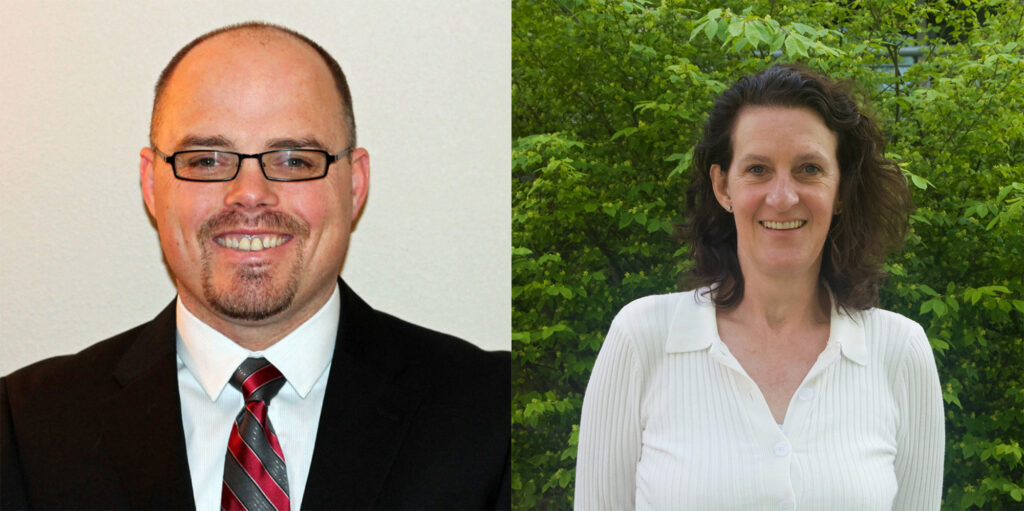
The WSU Psychology Clinic is a nonprofit community mental health clinic operated by the Department of Psychology. It serves children, adolescents, adults, and veterans, and helps train doctoral candidates as part of the Clinical Psychology program. “There’s a rising understanding that there is a mental health crisis among farmers,” said Conny Kirchhoff, a licensed psychologist that manages the program for the WSU Psychology Clinic. “Don approached our clinic looking for mental health care providers that would provide services for farmers and farmworkers.”
Because of the continuing stigma about mental health and counseling in agriculture, Kirchhoff is cognizant of most farmers’ preference for discretion. She regularly reminds farmers that sessions are both confidential and designed with them in mind. “Sometimes we have sessions with them when they are in their car. Sometimes it’s while they are in their tractor in the fields,” said Kirchhoff. “We basically just want them to be in a private environment where they feel like they can speak freely, and we want to make that appointment as easy in their workday as possible.”
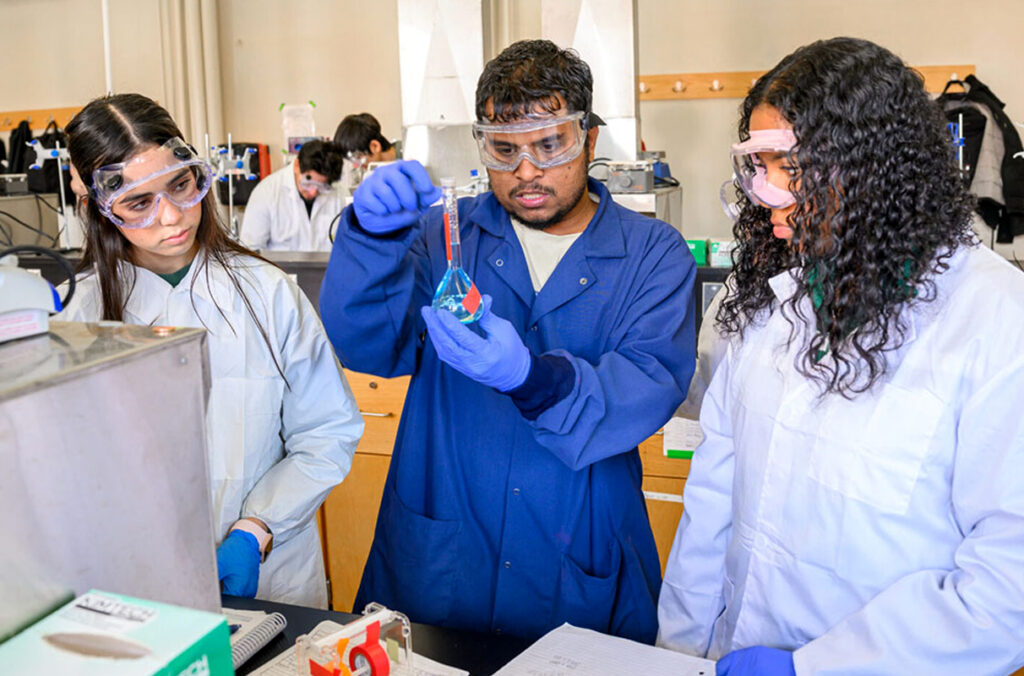
Over the first two years, Kirchhoff was the primary provider for those telehealth sessions. In 2024, the Psychology Clinic began integrating their advanced doctoral candidates into the agricultural stress program.
“The program trains students to become future providers,” said Kirchhoff. “We have started a specific education program for those doctoral students to be able to work with farmers and agricultural workers because there are certain things that are different in working with farmers versus other clients.”
There are future plans to accommodate more farmers seeking counseling, as well as training more doctoral students about the cultural experiences of agricultural workers. With additional funding, the program wants to include Spanish-speaking telehealth providers, thus increasing the program’s available scope of services. “We can educate future providers in psychology to become knowledgeable and culturally sensitive providers for the agricultural community,” said Kirchhoff.
Anyone experiencing immediate crisis can reach the National Suicide Prevention line by calling 988 or 1-800-273-8255. Additionally, the AgriSafe Crisis Support line for farmers and agricultural workers can be reached at 1-833-897-2474. Visit the Farmer Therapy Voucher Program for more information.