Agility is a pup in the world of dog competitions, but it’s growing fast.
The first licensed agility trial was held in the United States in 1994. The American Kennel Club says there are now more than 1 million entrants in its various agility competitions each year, where dogs race through obstacle courses following commands from handlers.
Professor Debra Sellon of the Washington State University College of Veterinary Medicine is one of those competitors. She’s also among a handful of veterinarians and scientists across the country who have formed the Agility Dog Health Network to research health concerns specific to agility dogs.
More sports-medicine specialists have emerged as the veterinary profession has evolved, she explained. Take horses, for example. There’s a lot of peer-reviewed, evidence-based academic literature that can guide a large-animal veterinarian to the best treatments.
But when one of her border collies developed a toe injury, she couldn’t find any answers based on solid science.
“I was shocked at the absence of peer-reviewed, evidence-based research,” she said.
Though she is an equine veterinarian, she started researching toe injuries in agility dogs. That led her to other veterinary researchers across the country. Together they founded the Agility Dog Health Network in early 2021.
The members of the network have already produced six online seminars for veterinarians to introduce the sport of agility, discuss common injuries, and help them prepare owners to travel with their dogs to competitions. This year the group will put together a series of seminars for dog owners.
The Agility Dog Health Network also surveyed agility competitors to find out what they wanted to know. Based on that, the network will use competition data to learn about the safety of artificial surfaces versus grass, and whether those surfaces affect a dog’s speed in competition.
“We also will develop a safety checklist, like the pre-surgery checklist physicians use, to use in competitions,” she said.
The group is pursuing grant funding for these projects, and Sellon said she hopes they can continue to expand the network for the sake of the dogs.
Sellon’s first love was horse riding, but she had border collies even then because they liked to go with her on rides. As her academic career flourished, she found less time for riding — but saw an agility trial on television.
“I called my border collie into the room and said, ‘I want to do that,’” she recalled.
“I really love that animal-human bond. I discovered training for agility requires you to become incredibly close to that animal.”
Debra Sellon, professor
WSU College of Veterinary Medicine
“I really love that animal-human bond,” she said. “I discovered training for agility requires you to become incredibly close to that animal. The athletic activity, the endorphin rush of running, the social network you develop with that group of competitors — it’s my salvation outside of work.”
Sellon and one of her family’s six dogs, Callie Jane, will compete at the American Kennel Club’s National Agility Championship in mid-March in Tulsa, Oklahoma.
She still loves horses, Sellon said. Only now, “I pet the horses and jump the dogs.”
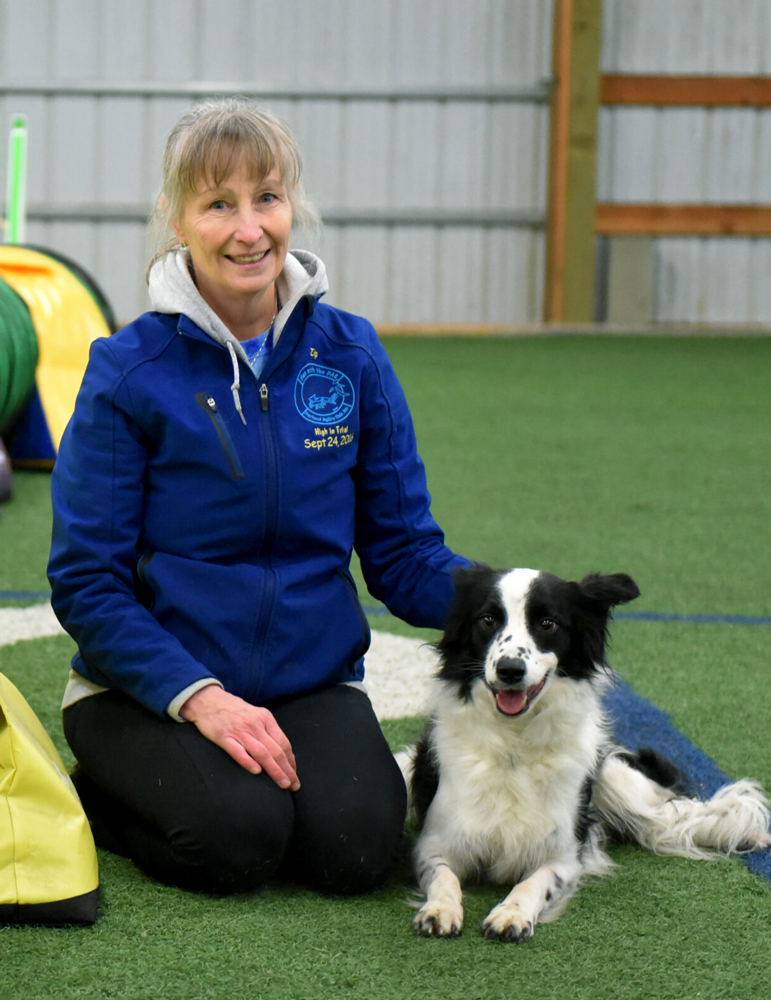


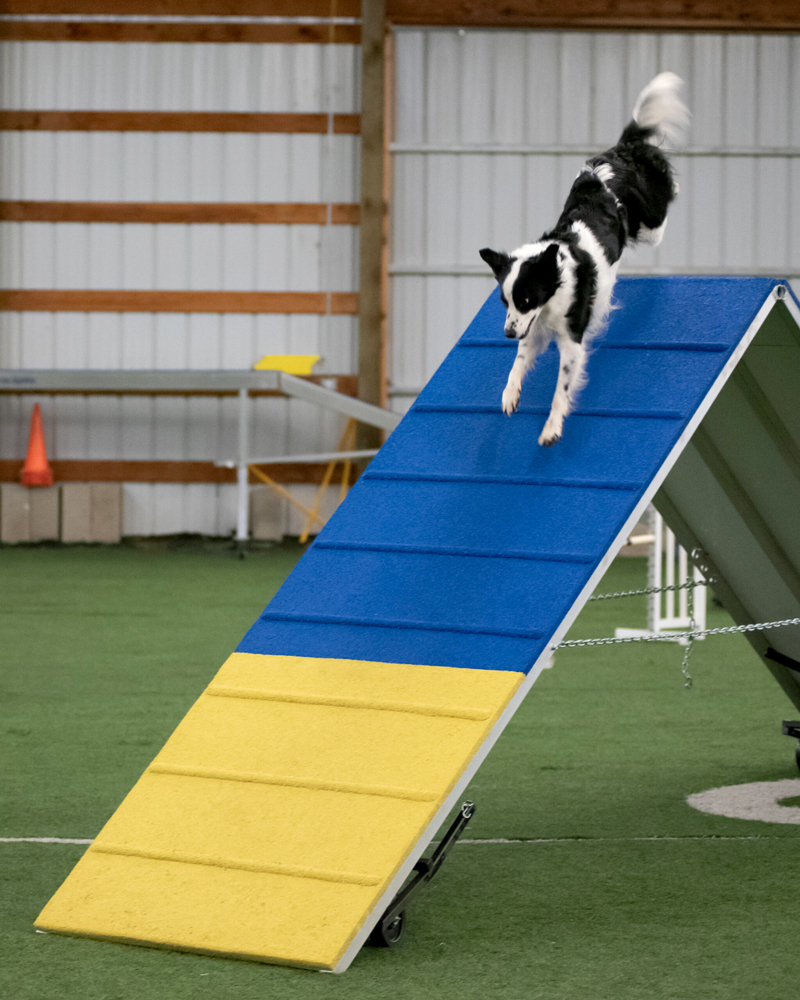

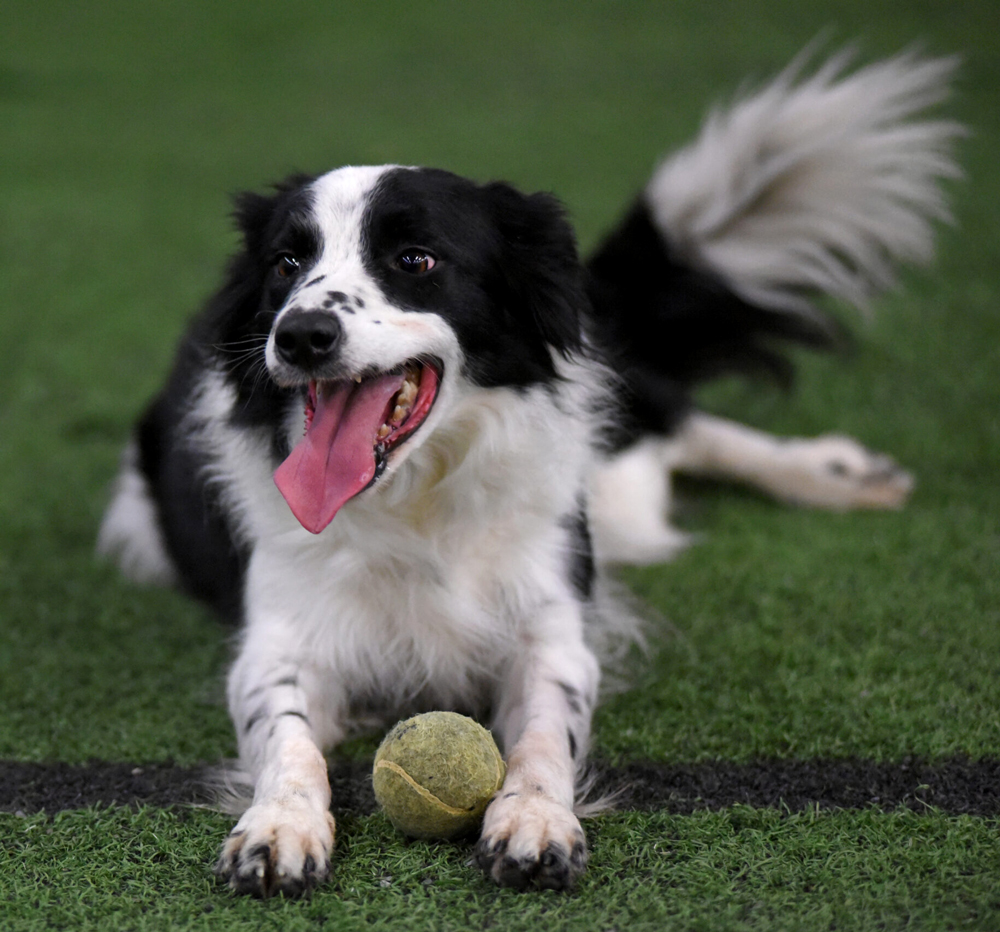
Update: Professor Debra Sellon and her border collie Callie Jane recently competed in the AKC National Agility Championship in Tulsa, Oklahoma. They were one of 24 competition teams that made it to the final round, out of more than 300 in their group. Said Sellon, “We didn’t win a national championship, but Callie exceeded all my expectations.”
Check out a video of Debra Sellon and her border collie Callie Jane competing at the competition: