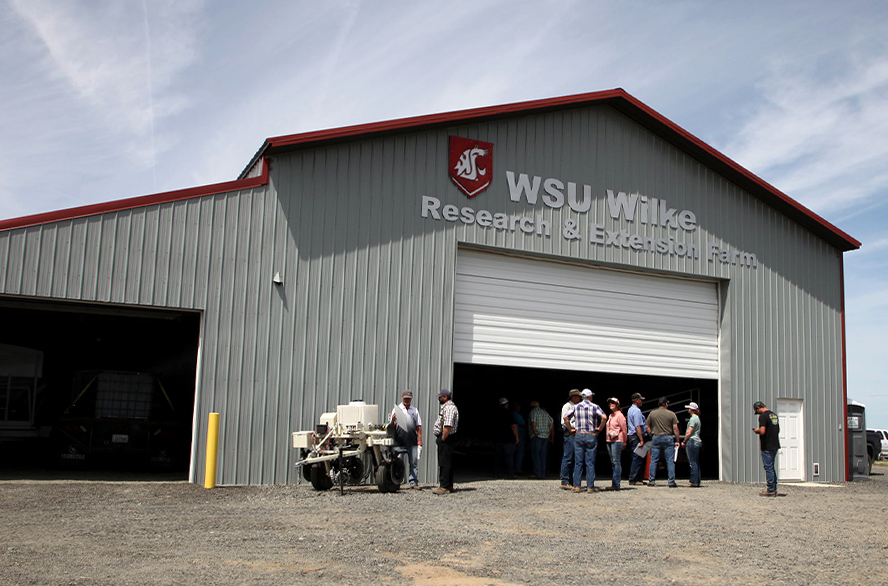
Farming is a high-stress occupation. Land and equipment are expensive. Work hours are long and physically strenuous. Economic pressure from potential crop problems weigh heavily. Those stresses too often lead to thoughts of suicide for agriculture workers and their employers.
A new $7 million Farm and Ranch Stress Assistance Network grant from the U.S. Department of Agriculture’s (USDA) National Institute of Food and Agriculture will expand the farmer suicide prevention work done by Washington State University Extension to 13 western states and four U.S. territories.
Don McMoran, director of WSU’s Skagit County Extension office, will lead the program. He started working on suicide prevention after the county’s agricultural industry experienced three suicides in three years.
“The last one hit me hard,” McMoran said. “I knew and had worked with him. Our families are close. I came into the office the next day and realized this was something that we need to work on.”
Around that same time, the Washington State Legislature established a task force to look at agricultural industry suicides. McMoran and Extension got involved, with the pilot program starting out of their Skagit County office in 2019.
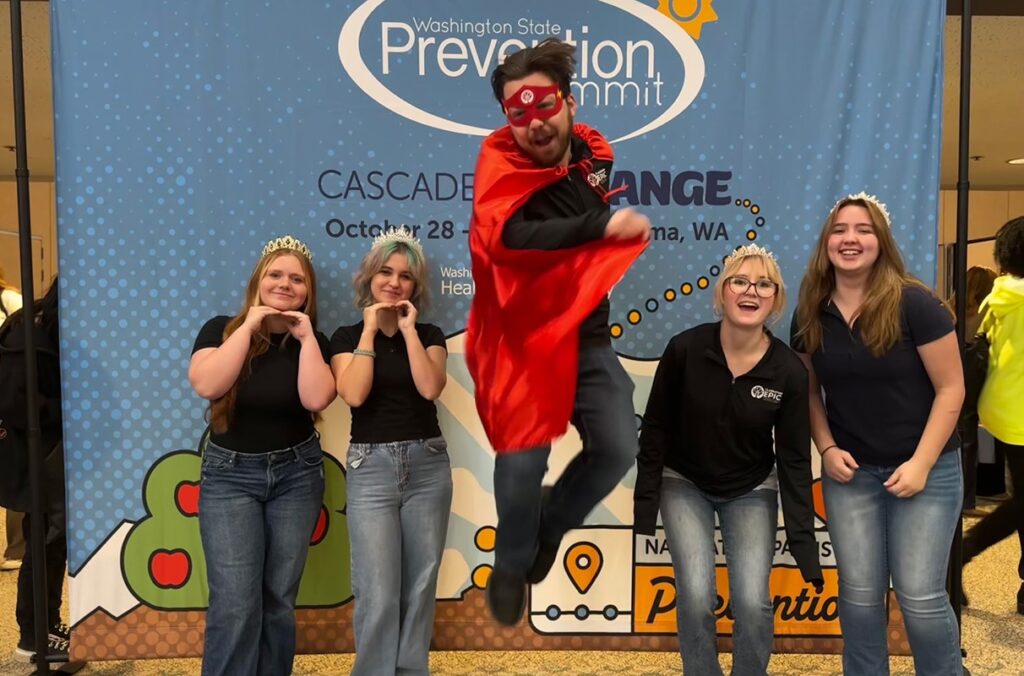
They used pilot funds to start local programs, educating farmers and farm workers about suicide prevention at commodity workshops and trade shows, for example.
“At the end of those workshops, people would come up to me and talk about how important this education is, and how it would help their neighbor or someone they know,” McMoran said. “Nobody says it helped them. There’s still a major stigma about suicide, especially amongst farmers and ag workers.”
The pilot program allowed McMoran to apply for an initial USDA-NIFA grant that expanded the network to cover all of Washington and Oregon.
In addition to the workshops, the network has websites and social media accounts, distributes printed materials, including flyers, and trains people to see signs of suicidal thoughts in others.
“We give out little first aid kits that include phone hotline information and signs of suicidal thoughts to look for,” McMoran said. “Financial stress, a significant change in routines, and giving away possessions are all indicators.”
With the additional funding, the group plans to establish an ag-specific phone hotline, staffed by trained personnel that are familiar with agriculture and farm workers.
“We’ve worked with general suicide helplines, and they do amazing, important work,” McMoran said. “But I don’t believe an average farmer is going to call a general suicide helpline, and if they did, the responder may not understand the specific plight of a farmer. We will have a line so there’s someone on the other end who can relate to what a farmer or an ag worker is going through.”
Expanding the program to cover 13 states and four territories will be difficult work, but McMoran has already established relationships; there are representatives from all of those locations involved in this grant. The Learning and Performance Research Center, led by Brian French, will be assisting with research and evaluation components of the project.
“I wish this program wasn’t necessary, but I’m glad that I can be one of the people who can help improve things,” McMoran said. “My experiences as a fourth-generation farm kid helped prepare me for this.
“I understand the issues farmers are up against, and Extension is a trusted source to help me extend this knowledge to the stakeholders in the western U.S.,” he added. “I can’t bring back the farmers and farm workers that we have lost to suicide. But I can certainly try to save the ones who are considering it.”
Media contact:
- Don McMoran, WSU Extension Skagit County, dmcmoran@wsu.edu, 360-395-2357