As described in recent articles in the Washington Post, New York Times and Newsweek, drought in southern Africa has led to a severe food shortage. Malawian children and their families are hungry, malnourished and unable to learn and work effectively.
However, as Kristi Growdon, WSU director of federal relations, and Jim Petersen, vice provost for research, found during their fall visit, WSU faculty are making a significant difference in Malawi. Led by Trent Bunderson (who has worked in Malawi for 18 years), WSU is using federal and philanthropic funds to implement the land-grant extension model and help this nation learn sustainable agricultural practices.
“Throwing food relief at countries in dire need creates a culture of dependency,” said Jeffrey Sachs, economist and director of the Earth Institute at Columbia University, in a November Newsweek article (see https://msnbc.msn.com/id/9938334/site/newsweek). “The donors have been unwilling to face up to this. They send food aid once people are dying, and it comes too late and too little. But they don’t help the country grow the food.”
WSU does provide this help. By teaching Malawians to use simple technologies to enhance food production, WSU researchers are helping them address the underlying problems leading to food shortages. By working with democracy and free-enterprise systems, WSU researchers are improving the long-term future of this nation.
Consider the treadle pump, a focus of one of WSU’s projects in Malawi. It is helping change agricultural practices from a reliance on seasonal rains to a use of small-scale irrigation.
Lakes are abundant in the water-rich country. However, electrical or motorized pumps are too expensive so many farmers carry buckets of water to irrigate crops. Using the treadle pump, introduced by Bunderson and his team, one person can pump the equivalent of 900 buckets of water in less than three hours. This is enough water to irrigate 0.7 acres during the driest time in Malawi.
“My crops are growing much faster because I give them enough water with the pump,” said Ireen Jarek of Kendekeza Village, Buli Site. “We will have food and cash at the time when many people suffer in the villages.” Her comments are among farmers’ success stories resulting from the Malawi Agroforestry Extension Project, a joint effort with the U.S. Agency for International Development (USAID) to improve agroforestry, soil conservation and irrigation practices.
16 go short term
Sixteen WSU faculty members have traveled on short-term assignments in support of WSU’s work since the project began in 1992. In the past two years, 11 student interns also have worked on WSU’s projects in Malawi.
WSU is the lead institution on another project with USAID, the Chia Lagoon Watershed Management project, scheduled to run through 2007. Goals include community-based efforts to improve rural livelihoods, natural resource management and agricultural practices, as well as to promote enterprises based on agricultural and natural-resource products.
USAID awarded WSU $2,074,000 for this project. The university also received $4.7 million from private, philanthropic sources for related projects in Malawi and neighboring countries.
WSU also is involved in Malawi projects addressing AIDS intervention, forest resource management and child labor.
For more information, contact Christopher Pannkuk, associate director, International Programs/Research & Development, at pannkuk@wsu.edu.
Next Story

WSU Global Campus student ambassador shines during #CougsGive Day
Aunjelique Andersen, a fully online student pursuing her degree in Media Innovation, ranked first on the #CougsGive Ambassador Leaderboard, inspiring 54 gifts through her outreach.
Recent News

WSU SURCA undergraduate researchers earn 65 awards
Seventy‑three students who participated in the Showcase for Undergraduate Research and Creative Activities 2026 were awarded prizes totaling $14,000.
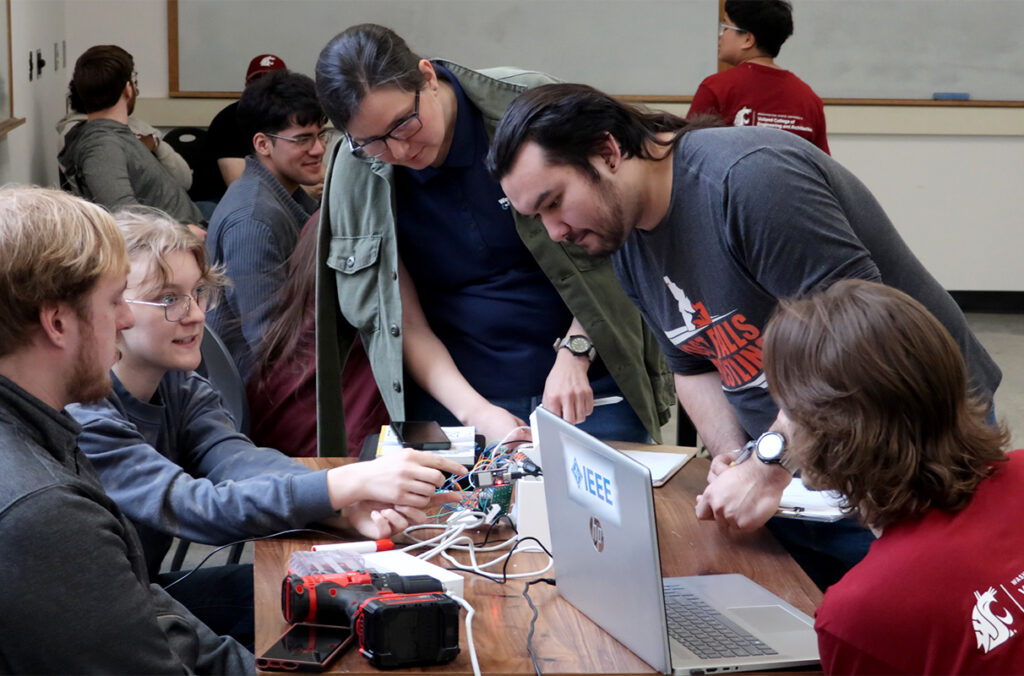
Inside WSU’s student-run hackathons
Hackathons have become a defining space for student innovation, with two taking center stage this year.
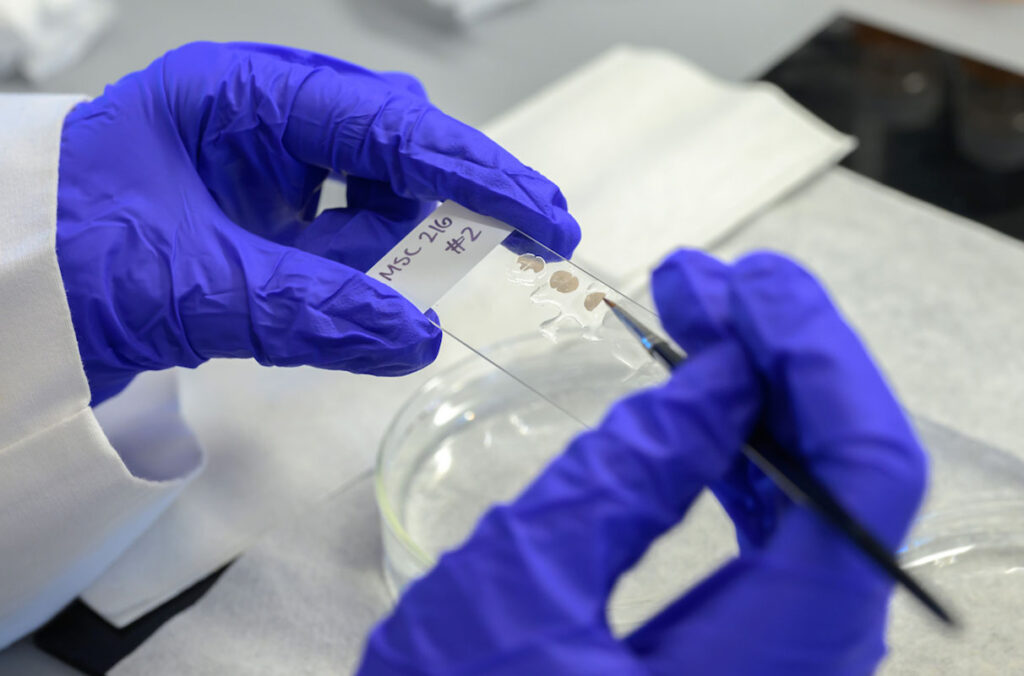
Undergrad researchers drive discovery in the College of Veterinary Medicine
Hands‑on research opportunities in the college are enabling students to contribute directly to major discoveries, including a recent Nature study.
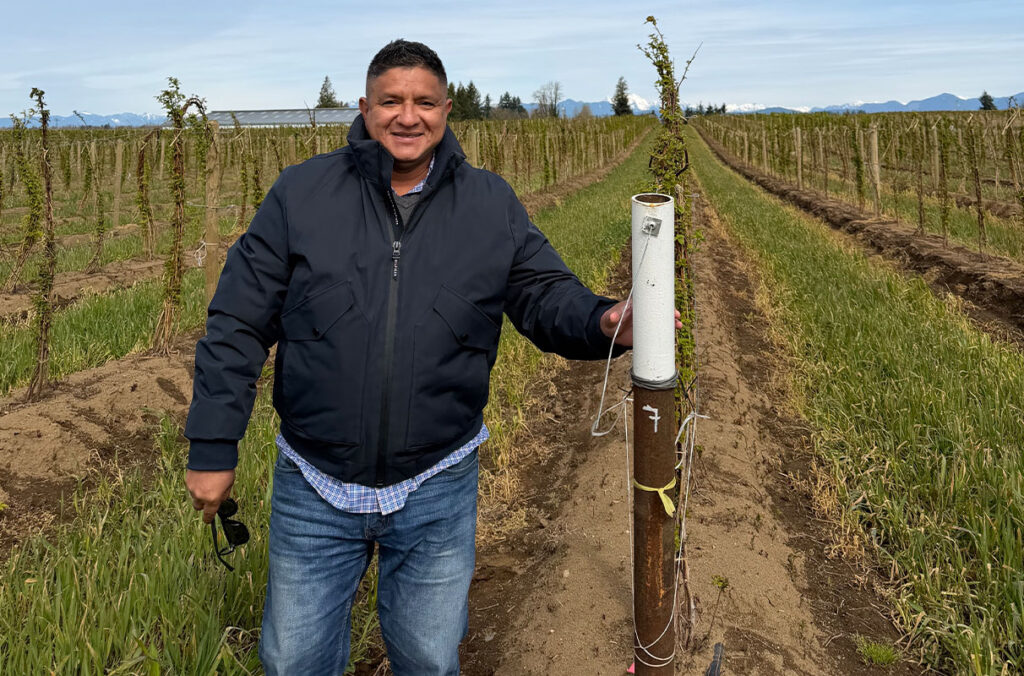
New WSU raspberry breeder to continue career goal of helping farmers
Germán Sandoya-Miranda aims to develop improved varieties and work closely with growers to help Washington farmers boost yields and adapt to evolving challenges.

WSU Regent, longtime civic leader Sam Hunt dies following battle with leukemia
Hunt, a 1967 WSU graduate, devoted more than five decades to public service, education, and civic leadership across Washington.
WSU recognized for support of first-generation students
The university’s elevation to FirstGen Forward Network Champion reflects growing enrollment, improved retention, and expanded support programs helping first-generation students succeed.