After 27 days missing, veterinary student’s cat finds healing at WSU
Simba, a beloved orange tabby, survived severe hypothermia and frostbite before receiving life-saving care from WSU veterinarians.
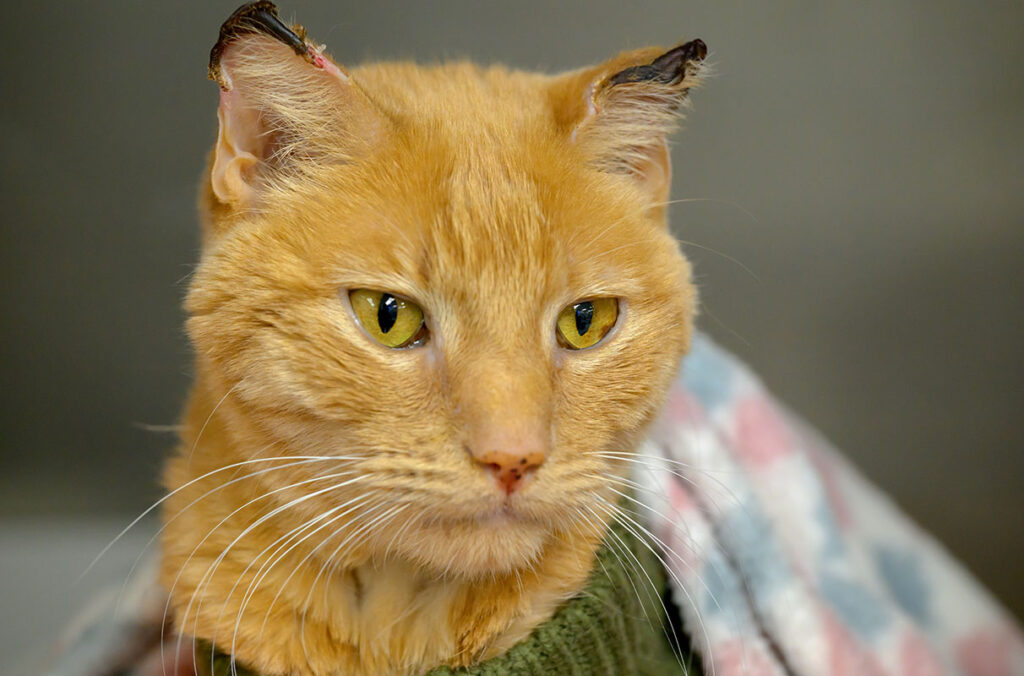
Simba, a beloved orange tabby, survived severe hypothermia and frostbite before receiving life-saving care from WSU veterinarians.
A new study finds increased appetite after cannabis use regardless of sex, age, weight or recent food consumption — a response driven by receptors in the brain.

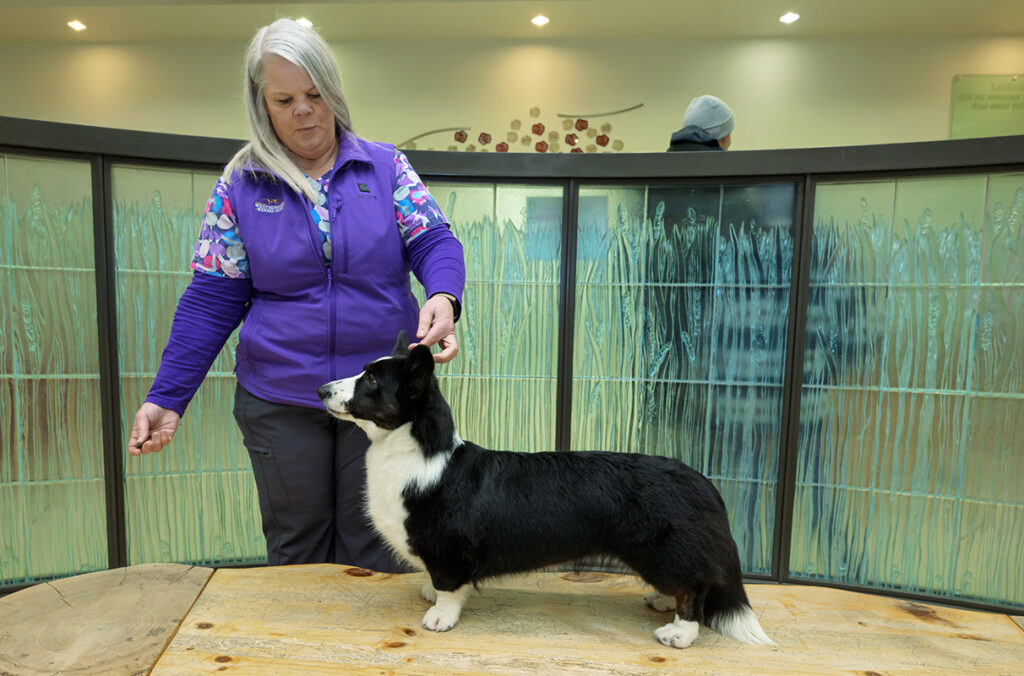
After nearly 70 dog shows in a single year, Denise Waiting and her Cardigan Welsh Corgi, Witton, will be competing at the Westminster Kennel Club Dog Show.
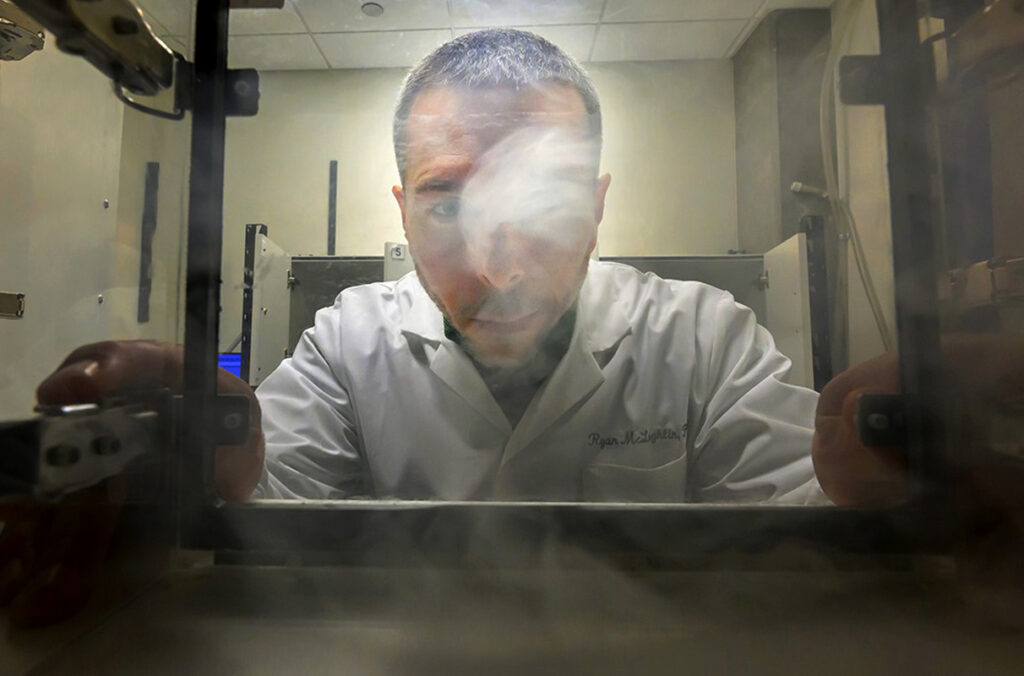
Study demonstrates that rats with higher natural stress levels are more likely to self-administer cannabis.
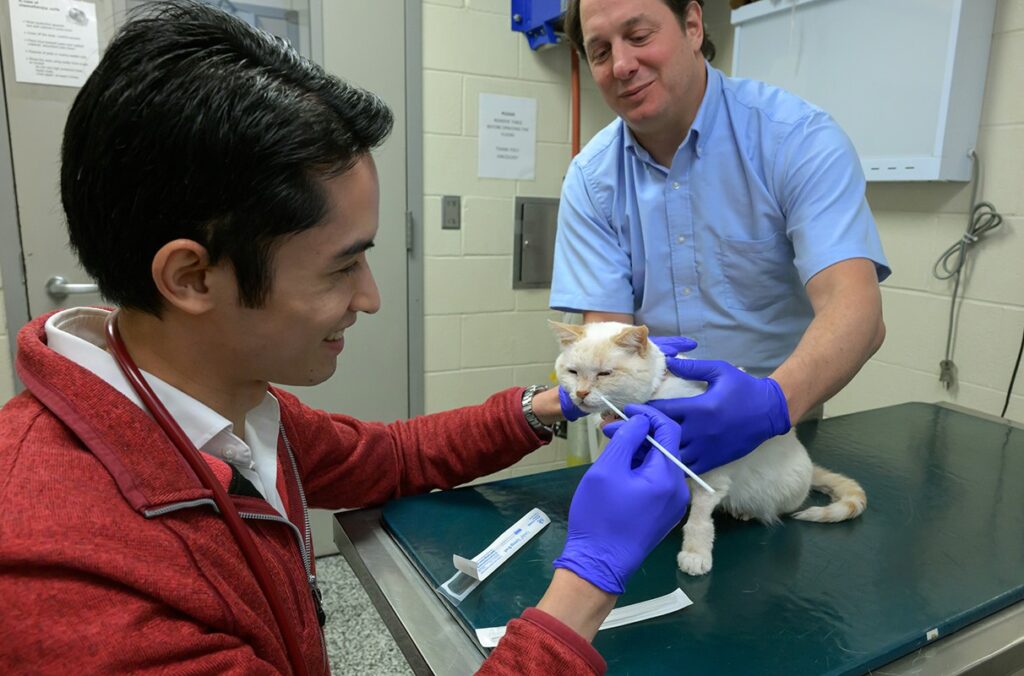
WSU team develops cheek-swab method available to veterinarians and the public for catching predisposition to disease before clinical signs appear.
A newly discovered code within DNA — coined “spatial grammar” — holds a key to understanding how gene activity is encoded in the human genome.

A baby pronghorn antelope – named Marcie after the WSU wildlife veterinarian who rehabilitated her – is now a resident of the Minnesota Zoo, the nation’s leading institution for conservation and education efforts for the species in the country.

Twelve orphaned baby barn owls have a new home thanks to a pair of nesting boxes and a collaboration between WSU’s College of Veterinary Medicine and the Horticulture Center.

The male eagle — unable to hunt in the wild due to eye trauma — is the second eagle at the Yakama Nation Aviary, a tribal facility for unreleasable birds of prey.

Kenyan patients who spend more than three days in the nation’s hospitals are more likely to harbor a form of bacteria resistant to one of the most widely used antibiotic classes, according to a WSU-led study.
