Scientist’s involvement helps sensors send water to crops, right when they need it

Helping farmers grow food using less water, Pete Jacoby, plant ecologist in the Department of Crop and Soil Sciences, is advancing water-sensing research in his new role with the American Society of Agronomy.

Jacoby was recently named vice leader of the Society’s Sensor-based Water Management Community, which explores and shares research on water sensors, sensor-based irrigation, and how plants and the soil are affected by water and drought.

Growers have traditionally relied on weather data and their own senses to gauge their crops’ need for water. Members of the Sensor-based Water Management Community are helping develop new tools that tell growers exactly what is happening in the air, soil, and plants.

“Sensor-based water management is the way of the future in crop production,” Jacoby said. “Society benefits from sustainable, precision agriculture, while the environment gains thanks to growers’ better, informed decisions about plants’ real-time water needs.”

As vice leader, Jacoby will help the community of scientists review and share information to build a better picture of plant responses, automation, and how technologies can sense water in the soil and control irrigation. He will help put together and moderate the group’s 2019 symposium in San Antonio, Texas, and will advance to Community Leader in 2020.

At WSU, Professor Jacoby is a teacher, Extension educator and scientist studying the potential of subsurface micro-irrigation for increasing water use efficiency in production of high value crops like wine grapes, hops, and berries. Based at Pullman, his research activities are coordinated from WSU’s Irrigated Agriculture Research and Extension Center at Prosser.

Learn about the Society here: https://www.agronomy.org/
The Notices and Announcements section is provided as a service to the WSU community for sharing events such as lectures, trainings, and other highly transactional types of information related to the university experience. Information provided and opinions expressed may not reflect the understanding or opinion of WSU. Accuracy of the information presented is the responsibility of those who submitted it. The self-uploaded posts are reviewed for compliance with state statutes and ethics guidelines but are not edited for spelling, grammar, or clarity.

Next Story

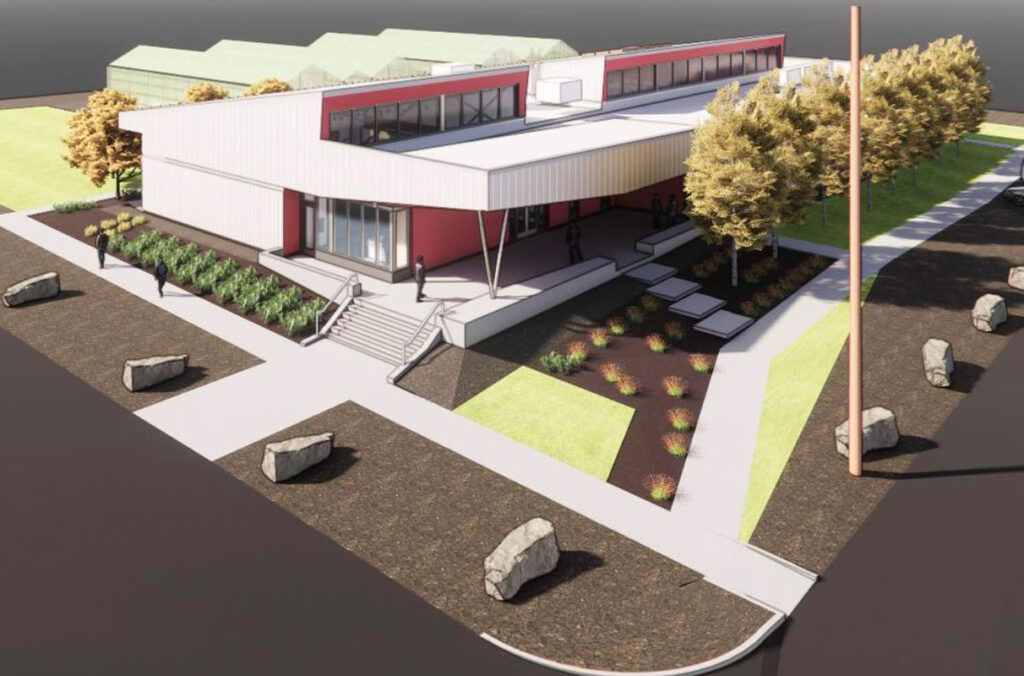
Construction begins for new WSU Plant Growth Facility

Construction of the $18 million, 24,000-square-foot facility is expected to wrap up in a year, with an opening planned for summer 2027.

Recent News

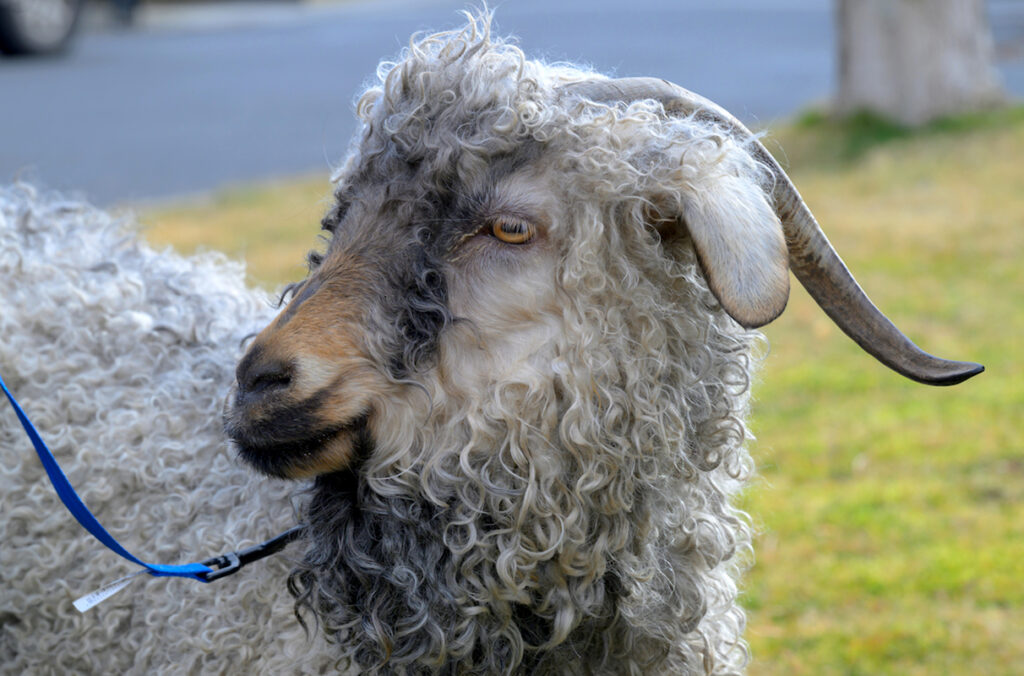
Rare Angora goat rejoins her herd after surgery at WSU

A rare Angora goat from northern Idaho has returned to her herd after WSU veterinarians performed a minimally invasive surgery to remove cystic ovaries that had been threatening her health and behavior.

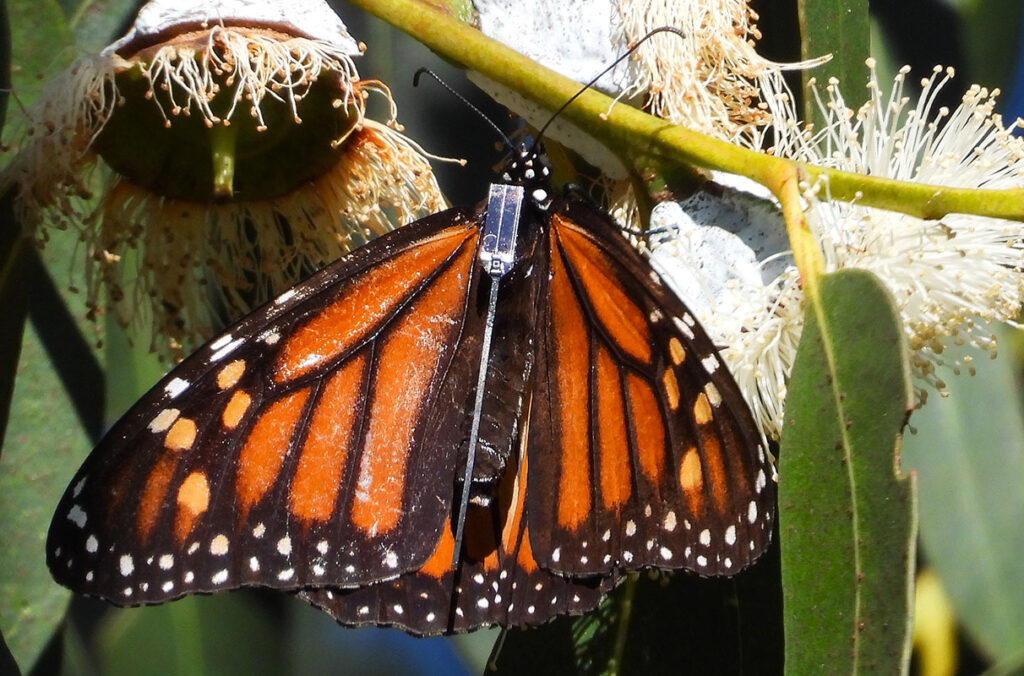
New tech allows WSU professor to boost tracking of monarch butterflies

New high-tech tracking tags are helping a WSU scientist follow monarch butterflies in near real time, offering new clues about their mysterious migration routes and how to better support their survival.

Deadline to test AI scholarly search tools fast approaching

Faculty, staff and students have a limited time to test and provide feedback on three artificial intelligence-powered research platforms currently being trialed by Washington State University Libraries.

Carson GPS: Creating a buzz in the greater Puget Sound

A new Carson College initiative is expanding its presence in the Puget Sound by strengthening ties with alumni, major employers and regional business leaders to boost workforce development and engagement.