A $2.6 million grant from the National Science Foundation will support a regional alliance to double the number of bachelor’s degrees in science, technology, engineering and mathematics (STEM) awarded to underrepresented minorities within the next five years.
The alliance of colleges, universities, support organizations and science centers will employ a collaborative model that has proven successful around the country to increase minority success in STEM programs and boost the number of minority students that pursue graduate education in STEM fields.
WSU is one institution in the Pacific Northwest Louis Stokes Alliance for Minority Participation. Led by the University of Washington, the other four-year universities include Boise State, Oregon State and Portland State.
The four-year partners award about 350 degrees to underrepresented minorities in STEM. The five-year goal is to increase that to 700.
Minority enrollment nationally at schools participating in the program has grown from 35,670 in 1991 to more than 205,000 in 2003. Almost 25,000 bachelor’s degrees are conferred to minority students annually as a result of the initiative.
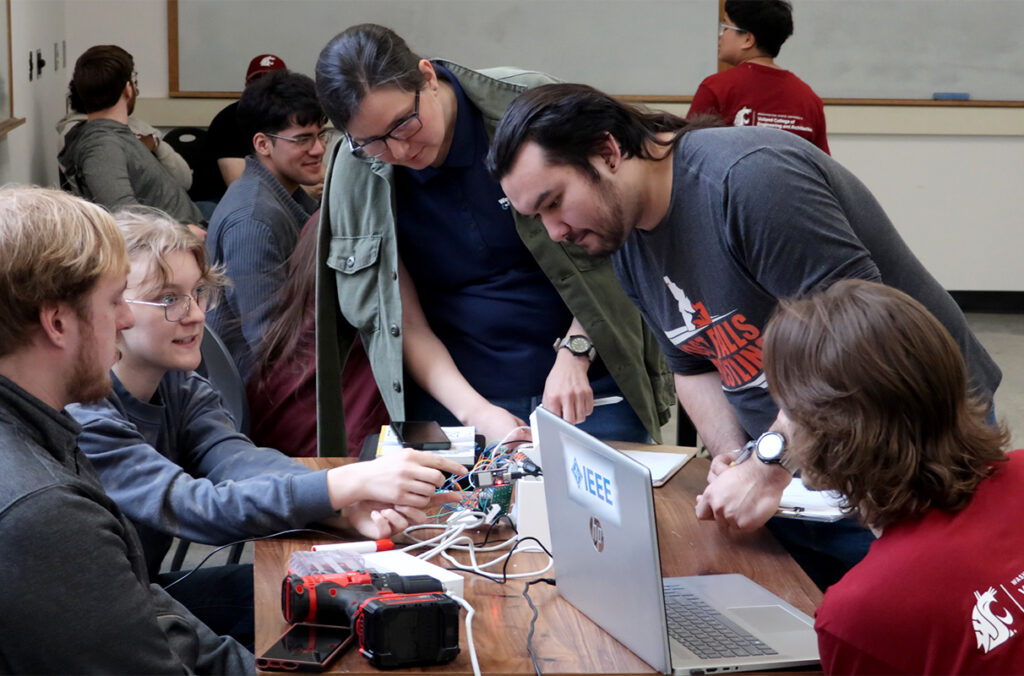
The program is based on the premise that activities that integrate students into the academic life of their institution and into their chosen discipline will result in greater success. Students are provided with financial, academic, social and professional support in a coordinated effort to help them succeed.
The process begins in high school or earlier, as university-based programs contact students to make them aware of the possibilities of studying a scientific or technical field.
Washington and Oregon MESA (Mathematics, Engineering and Science Achievement) will be key partners in the program, helping K-12 students visualize themselves achieving a degree in a scientific or technical field. University recruitment staff become involved at this phase, advising students on the academic preparation that will make them competitive for college admission.
Potential students are invited to participate in a summer “bridge” program, which introduces them to college life and teaches them essential academic survival skills. Once on campus, students typically have access to tutoring, peer study groups and a campus learning center. Many students receive a stipend or scholarship.
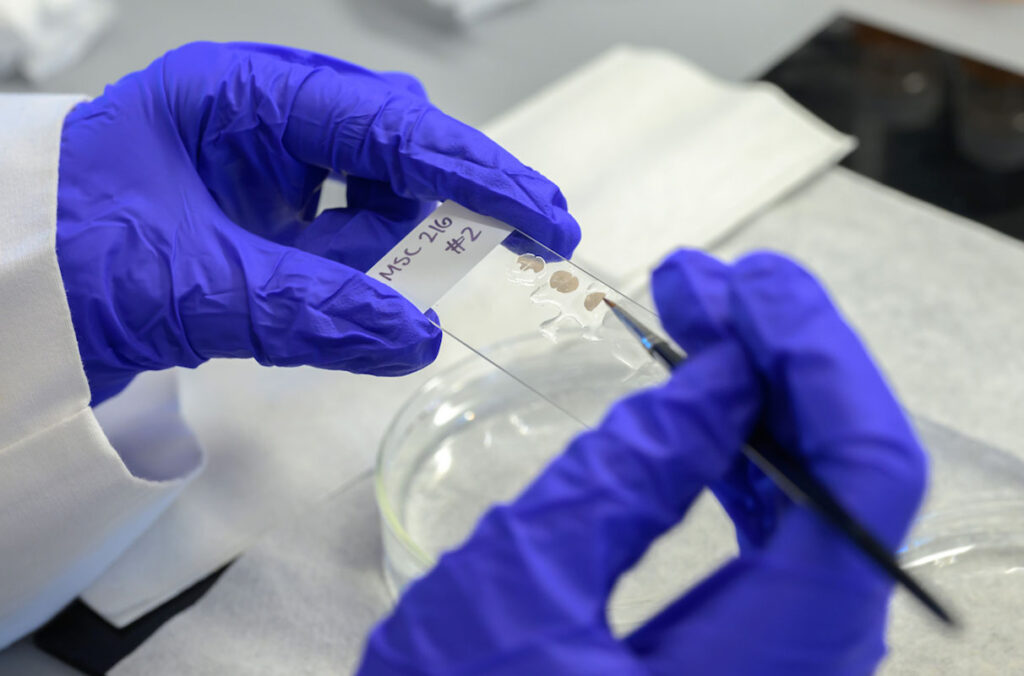
Participating in a research project and having a faculty or peer mentor are often key experiences in making students feel welcome and involved. Region-wide conferences allow students to network with peers and faculty from partner institutions, as well as with representatives from industry and graduate schools.