PULLMAN, Wash.Building relationships between Indian tribes and school districts is one of five key steps needed to improve Native American student success, according to Washington State University researchers.
Their report, “From Where the Sun Rises: Addressing the Educational Achievement Gap of Native American Students in Washington State,” was commissioned by the Washington Legislature. In addition to analyzing test results, it draws on the lessons of successful education programs. It also incorporates perspectives gathered at 10 formal “listening sessions” and another dozen opportunities for comment held on reservations and in urban tribal communities. The meetings drew passionate testimony from parents and educators who are concerned that Indian children are less likely to succeed in school than their non-native peers.
“The voices of the people validated the direction we need to take to reduce, and then eliminate, the achievement gap,” said Michael Pavel, the associate professor of education who led the research team.
One difficulty is what Pavel calls the “data gap.” State achievement test results often don’t reflect the work of Native American students, who may not show up to take the tests. Sometimes there are so few Indians in a classroom that confidentiality laws prevent using ethnic identification that would make the minority students easy to identify.
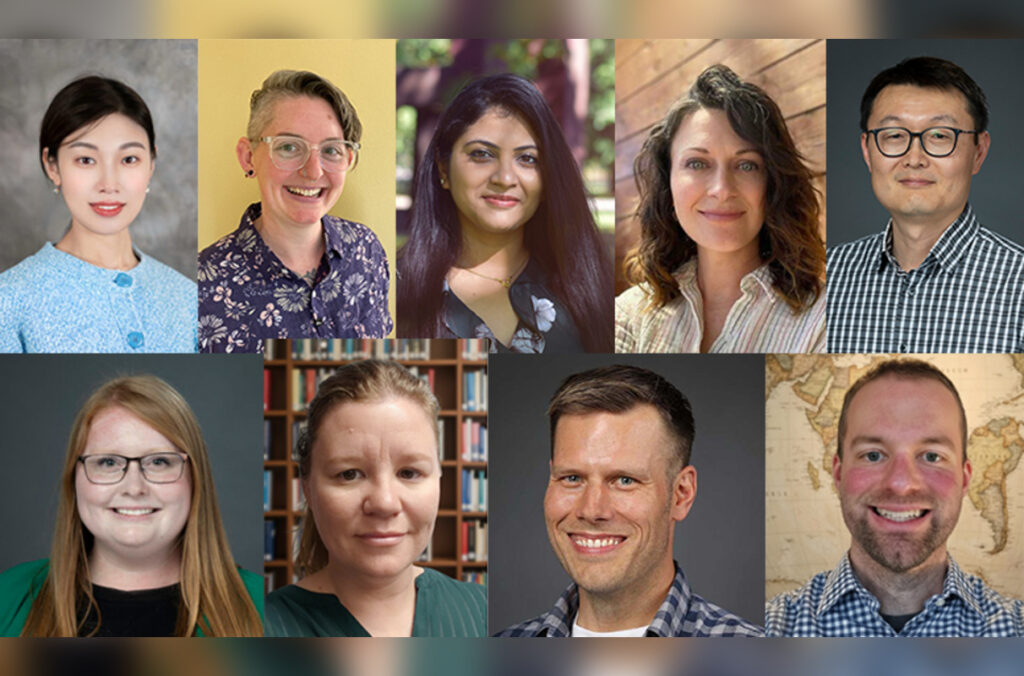
Other members of the research team included Associate Professor SusanRae Banks-Joseph, Assistant Professor Lali McCubbin, and postdoctoral Research Associate Jason Sievers, all of the College of Education; and Ella Inglebret, an assistant professor in the Department of Speech and Hearing Sciences.
Their major recommendations are:
Improved relationships between public school districts and tribes, and help for urban education programs so they can integrate Native teaching and learning programs that benefit all children.
The creation of courses in college education programsas well as professional development for teachers, administrators and school psychologiststhat stress culturally appropriate methods.
Improvement in the collection and reporting of data pertaining to Native students, in order to better inform policy and practice to promote student learning.
Development of a partnership with the National Education Association. The teachers’ organization is willing to revise existing materials and resources to develop culturally competent school systems.
Increased state support for, and collaboration among, existing state programs. That would include expanding the Office of Superintendent of Public Instruction’s Indian Education Office.
The full report and summaries are available online at https://education.wsu.edu/nativeclearinghouse/achievementgap/.
The authors acknowledge that increased funding will be difficult to find, given the current economic crisis. They are setting the stage for a meeting at which representatives of tribal and non-tribal foundations can discuss the report’s recommendations and ways to pay for them, Pavel said.
The researchers had only six months to complete the report, paid for with a $131,000 grant administered by the Governor’s Office of Indian Affairs. The study was done in consultation with the Tribal Leader Congress on Education and the Washington State School Directors Association. While the report is complete, Pavel expects it will be continually refined.
“It is a living document,” he said.