“Sacagawea/Sacajawea and the Lewis & Clark Expedition: American Indian Perspectives,” will be held at 7 p.m. Nov. 12 at the Samuel H. Smith Center for Undergraduate Education, Room 203. The event will begin a four-year statewide program hosted by the WSU History Department in observance of the Lewis and Clark Bicentennial. Participants in Wednesday’s session will be Sally McBeth, professor, University of Northern Colorado; Amy Mossett, Mandan/Hidatsa, the Three Affiliated Tribes of North Dakota and tribal liaison for the National Council of the Lewis and Clark Bicentennial; Reba Teran, cultural director for the Eastern Shoshone Tribe, Wind River Reservation, Wyo.; and Rod Ariwite, Lemhi Shoshone, Idaho. For more on the events, click on https://wsunews.wsu.edu/detail.asp?StoryID=4193.
Washington State University President V. Lane Rawlins and Director of Libraries Ginny Steel will host the Nov. 15 dedication of the Wallis and Marilyn Kimble Northwest History Database. The event will be from 9:30-10:30 a.m. in the Samuel H. Smith Center for Undergraduate Education, Room 518. The financial support of alumni Wallis and Marilyn Kimble has allowed the libraries to develop a digitizing project to preserve and make available online a unique but deteriorating historical resource — the Pacific Northwest Newspaper Clippings Collection. The database, which includes more than 300,000 indexed newspaper articles about important Northwest events from the 1890s to the 1940s, provides an in-depth, first-hand look at the issues of this tumultuous era. For more, see https://wsunews.wsu.edu/detail.asp?StoryID=4206.
WSU will not hold classes Tuesday, Nov. 11, in observance of Veterans’ Day.
In the news
Can farmers fight global warming? The Washington State University Center for Sustaining Agriculture and Natural Resources will be researching that question, helped by a $3.75 million research grant from the Paul G. Allen Charitable Foundation. “Although farms represent a relatively small source of greenhouse gas emissions, by using new practices we’ll study in this project, agriculture has the potential to also act as a ‘sink’ for carbon-based emissions,” said David Granatstein, a WSU sustainable agriculture specialist who led the development of the project. “We’ll gain a better understanding of how farms trap carbon dioxide in the form of soil carbon, thus potentially removing significant amounts of carbon from our atmosphere.” Granatstein can be reached at granats@wsu.edu or 509.663.8181 ext. 222.
A good time to get out?: As a result of mutual fund scandals in the news, investors have some concerns about their mutual funds, but they seem to be remaining invested. John Nofsinger, assistant professor of finance at WSU and author of the book “The Psychology of Investing,” said that investors become attached to their holdings. Their familiarity with the fund makes them think it is better and safer than it really is. Meanwhile, the overall rise of the stock market this year has made investors feel better about their investments. However, there are good reasons that investors should get out of funds involved in the scandals. First, the big pension fund investors are getting out, which will leave funds’ costs to be spread out over fewer investors. Second, the funds are likely to face fines or class action suits, which may force funds to increase costs. And the exodus of big investors could cause fund to sell many of its holdings, creating taxable capital gains distributions to investors. Nofsinger may be contacted at 509.335.7200 or john_nofsinger@wsu.edu.
Next Story

WSU Global Campus student ambassador shines during #CougsGive Day
Aunjelique Andersen, a fully online student pursuing her degree in Media Innovation, ranked first on the #CougsGive Ambassador Leaderboard, inspiring 54 gifts through her outreach.
Recent News

WSU SURCA undergraduate researchers earn 65 awards
Seventy‑three students who participated in the Showcase for Undergraduate Research and Creative Activities 2026 were awarded prizes totaling $14,000.
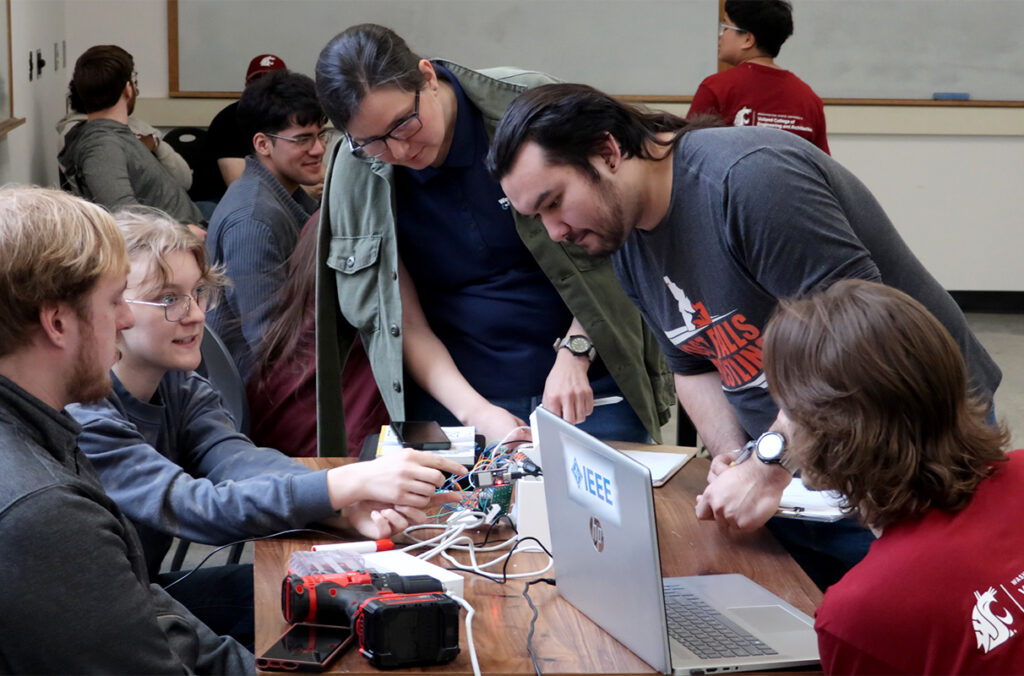
Inside WSU’s student-run hackathons
Hackathons have become a defining space for student innovation, with two taking center stage this year.
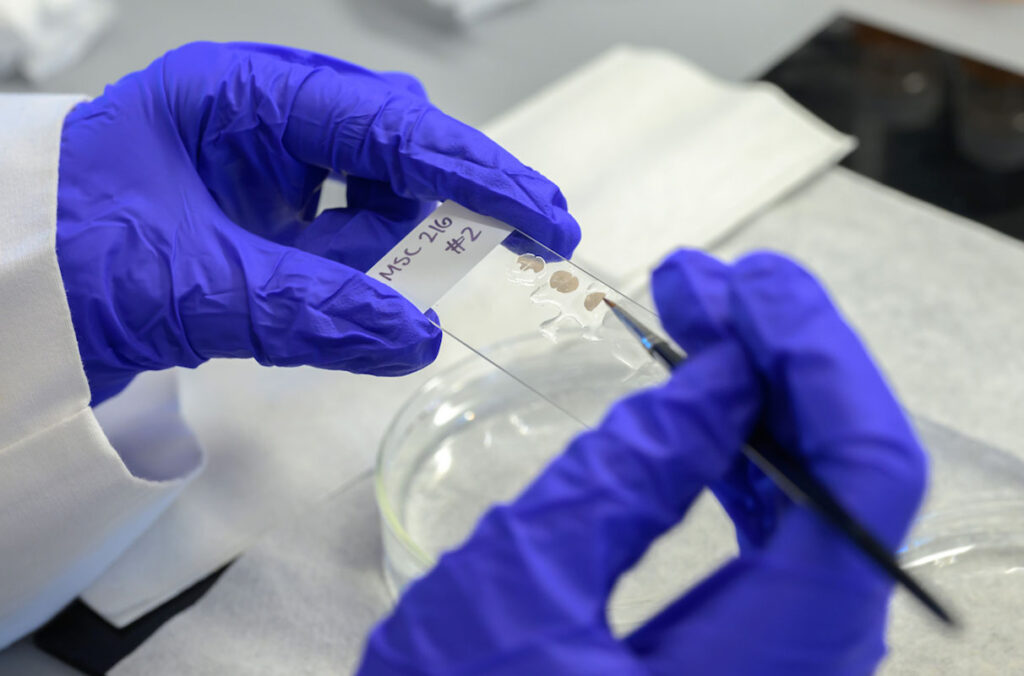
Undergrad researchers drive discovery in the College of Veterinary Medicine
Hands‑on research opportunities in the college are enabling students to contribute directly to major discoveries, including a recent Nature study.
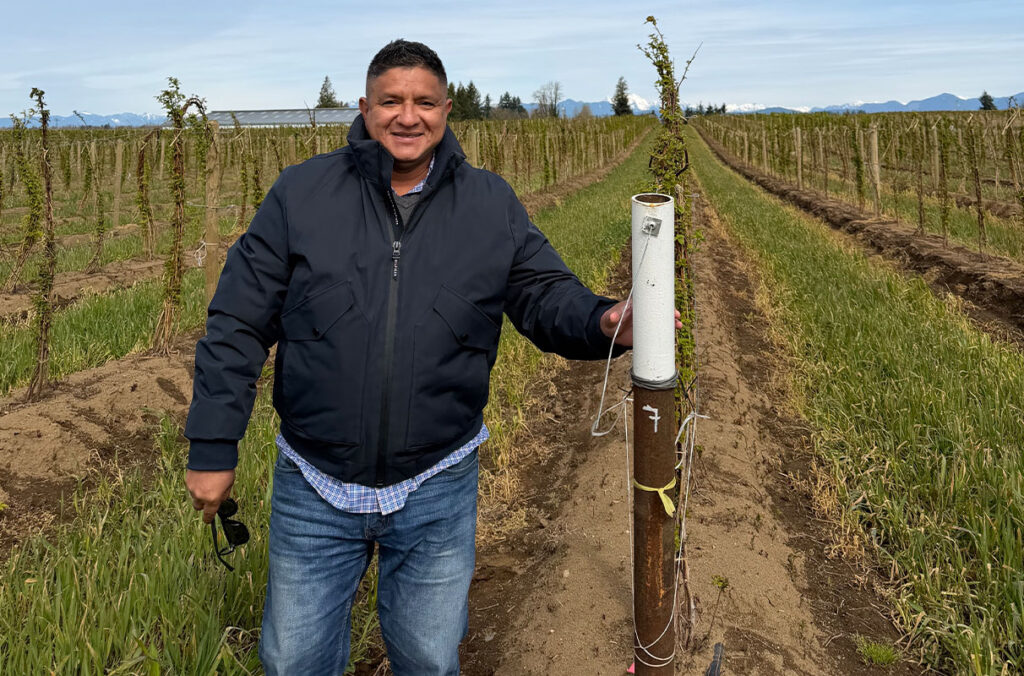
New WSU raspberry breeder to continue career goal of helping farmers
Germán Sandoya-Miranda aims to develop improved varieties and work closely with growers to help Washington farmers boost yields and adapt to evolving challenges.
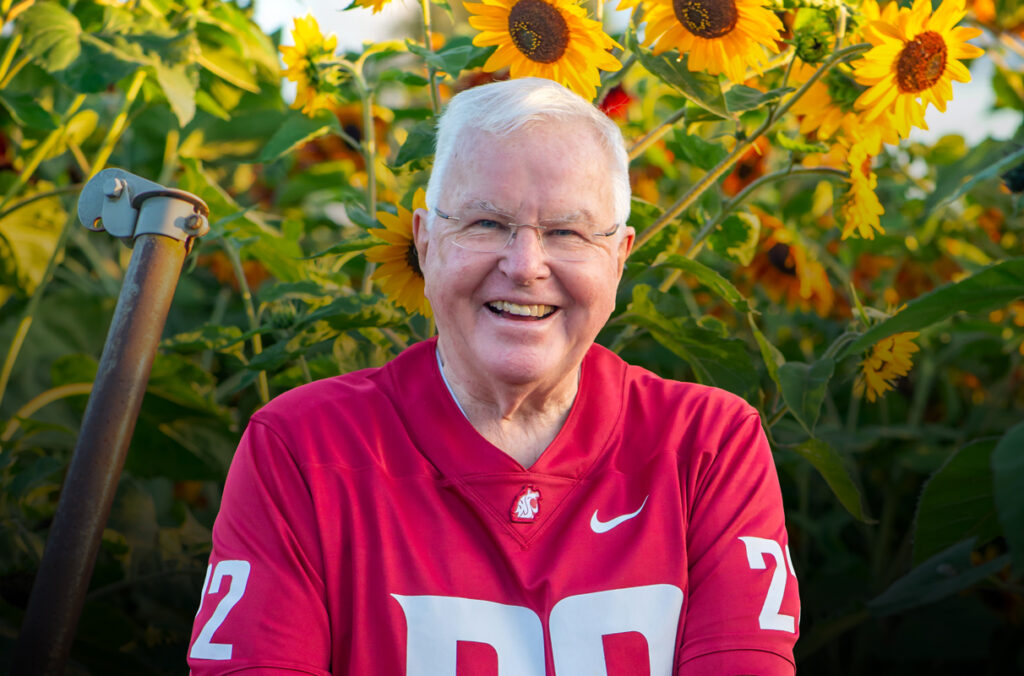
WSU Regent, longtime civic leader Sam Hunt dies following battle with leukemia
Hunt, a 1967 WSU graduate, devoted more than five decades to public service, education, and civic leadership across Washington.
WSU recognized for support of first-generation students
The university’s elevation to FirstGen Forward Network Champion reflects growing enrollment, improved retention, and expanded support programs helping first-generation students succeed.