In 2006, President George W. Bush created the Global Nuclear Energy Partnership with the goal to build an international coalition for recycling used nuclear fuel in a way that reuses key components but sequesters the plutonium isotopes that could be used for nuclear weapons.
As part of that initiative last fall, Washington State University chemistry professors Sue Clark, Kenneth Nash and Pat Meier received a $3 million DOE Nuclear Energy Research Initiative grant to investigate methods for reprocessing used nuclear fuel.
The team is studying the process of separating used fuel byproducts from the energy-producing uranium. The byproducts are then “transmuted” by irradiation into shorter-lived isotopes.
Developing separations to recycle uranium could provide a timely solution for radioactive waste disposal. But Clark cautions, “There are still many years of research and development that need to be done before the U.S. as a nation can use the transmutation technology.”
Clark, a chemistry professor, interim vice-chancellor for academic affairs at WSU Tri-Cities and an internationally recognized environmental radiochemist, also works in the field of nuclear forensics.
Using laboratories and the Nuclear Radiation Center at WSU Pullman, and through collaborations with the Pacific Northwest National Laboratory in the Tri-Cities, her team develops analytical procedures necessary to monitor environmental evidence of nuclear activities.
Clark devises techniques for measuring uranium and other radioactive elements in soil and water. Her methods help monitor global nuclear activity and also can trace isotopes from ancient, naturally occurring “fission reactors” formed many millennia ago.
Clark can be reached at 509-335-1411 or s_clark@wsu.edu. For more information about her research, visit https://www.chem.wsu
.edu/people/faculty/s_clark.html.
Next Story
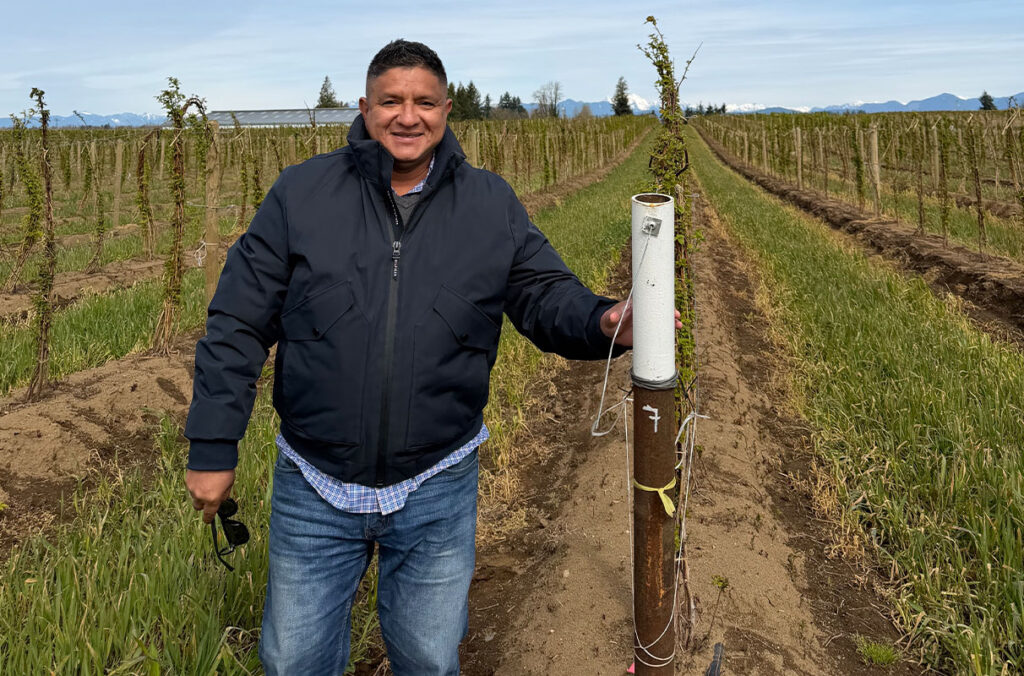
New WSU raspberry breeder to continue career goal of helping farmers
Germán Sandoya-Miranda aims to develop improved varieties and work closely with growers to help Washington farmers boost yields and adapt to evolving challenges.
Recent News
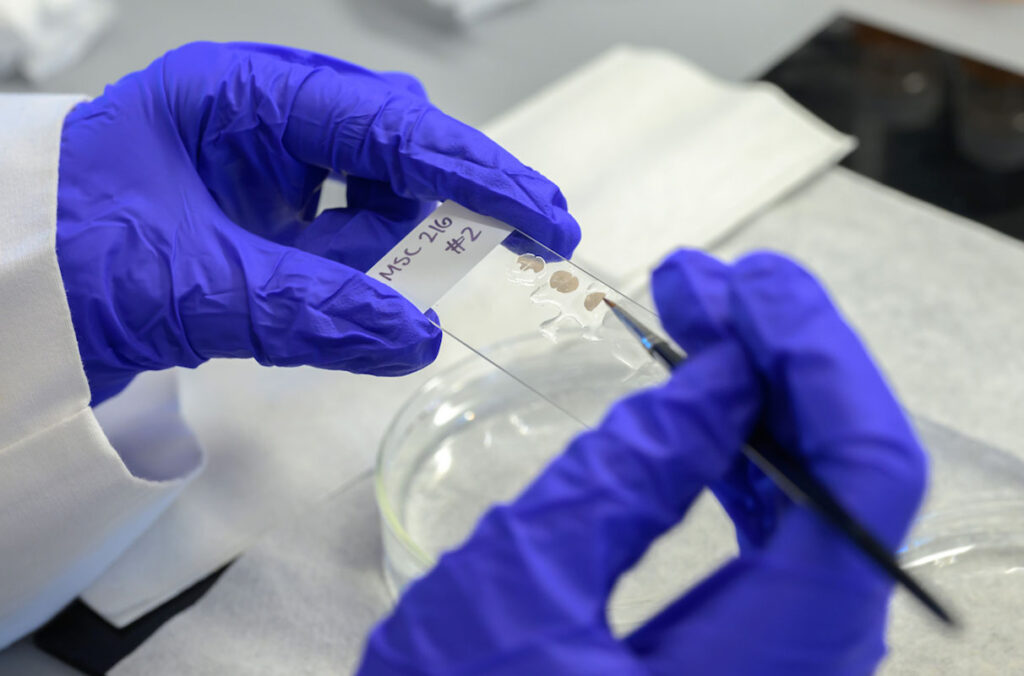
Undergrad researchers drive discovery in the College of Veterinary Medicine
Hands‑on research opportunities in the college are enabling students to contribute directly to major discoveries, including a recent Nature study.
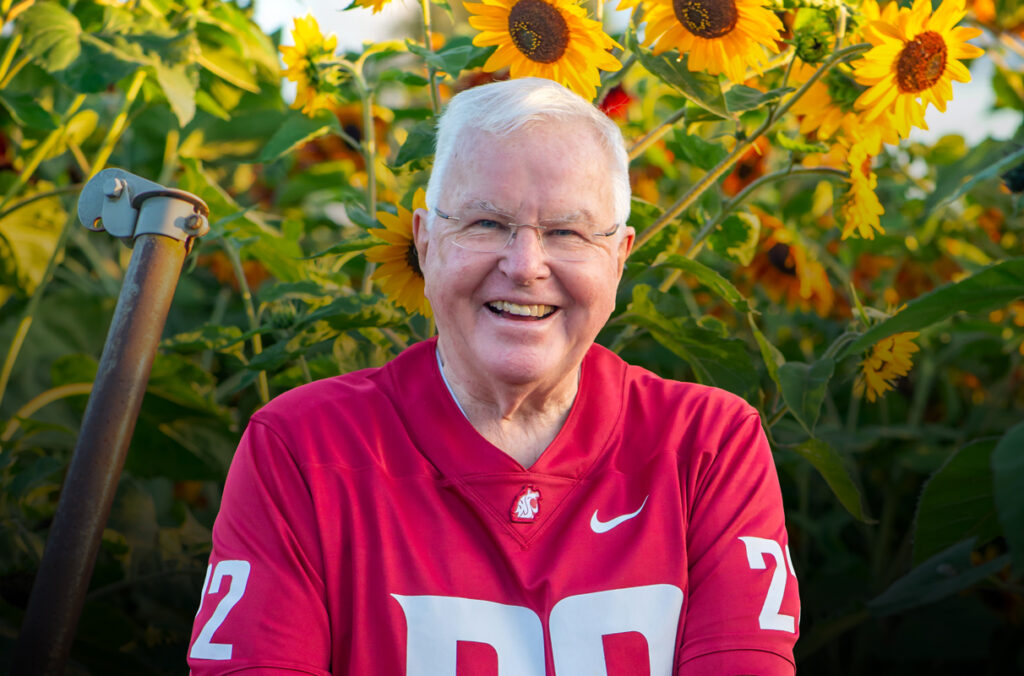
WSU Regent, longtime civic leader Sam Hunt dies following battle with leukemia
Hunt, a 1967 WSU graduate, devoted more than five decades to public service, education, and civic leadership across Washington.

WSU recognized for support of first-generation students
The university’s elevation to FirstGen Forward Network Champion reflects growing enrollment, improved retention, and expanded support programs helping first-generation students succeed.
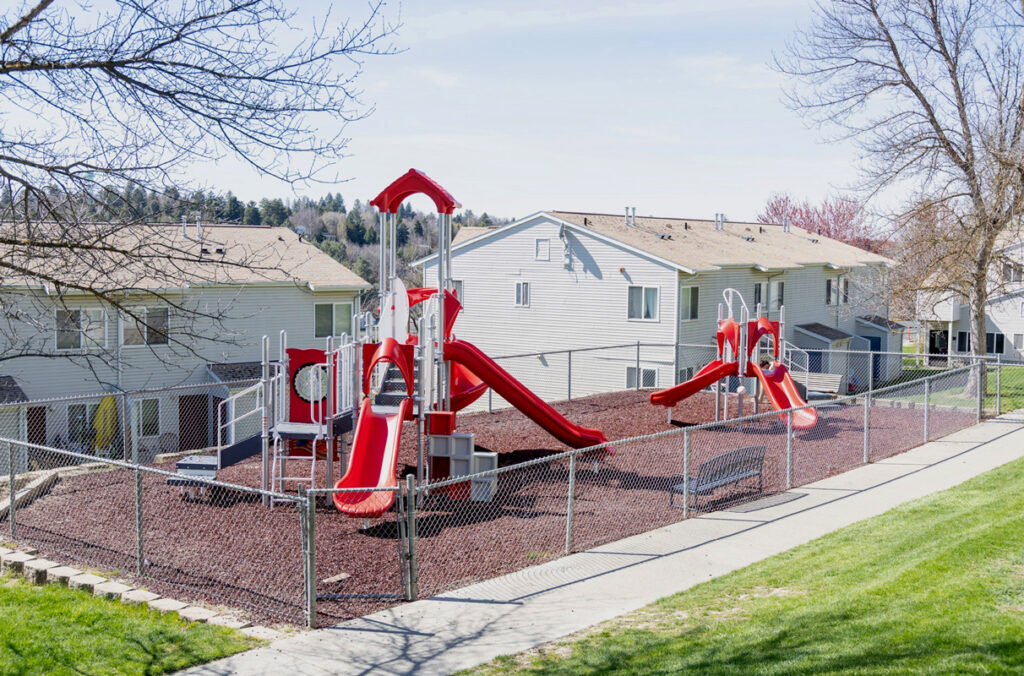
Playground upgrades bringing smiles to little Cougs
Now that spring has sprung, children living at all WSU family and graduate living complexes are enjoying new playground equipment.
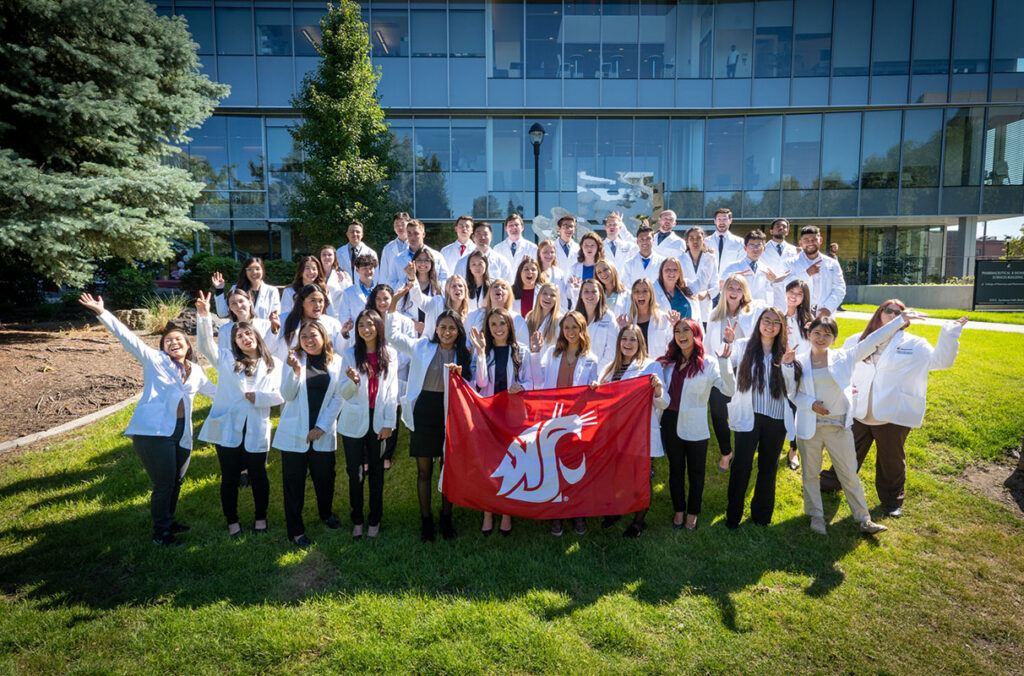
Pharmacy class of 2026 achieves 90% residency match rate
The result positions WSU’s College of Pharmacy and Pharmaceutical Sciences at the top among pharmacy schools in the Pacific Northwest and across the West Coast.
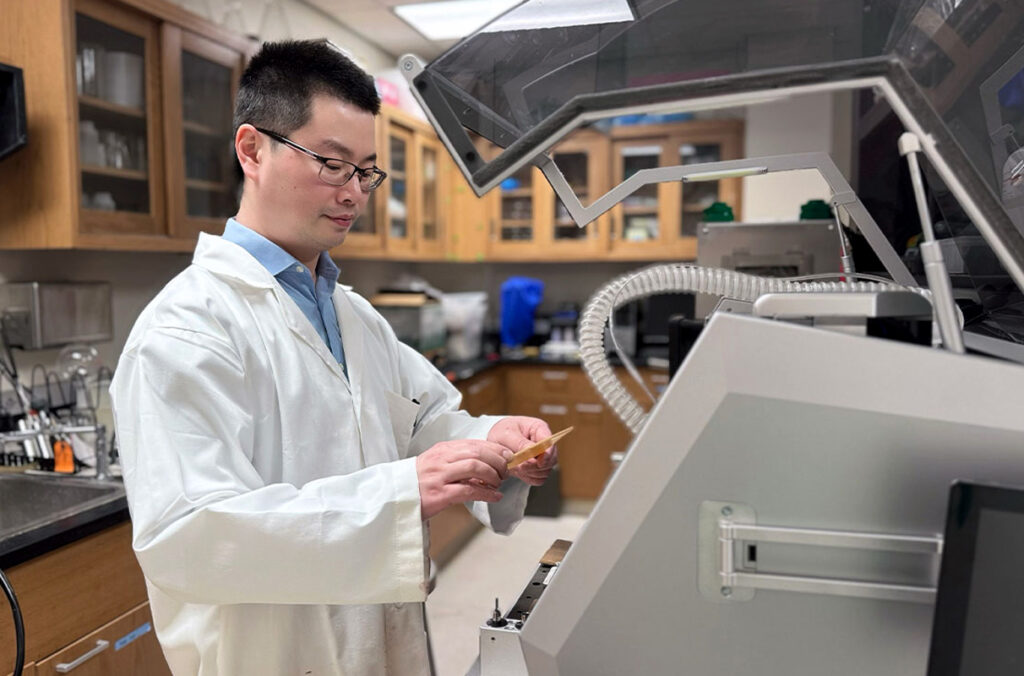
Trio of USDA grants will help WSU scientist make food safer, reduce waste
The three projects led by WSU’s Kang Huang aim to improve food safety and cut waste by targeting harmful microbes across every stage of food production.